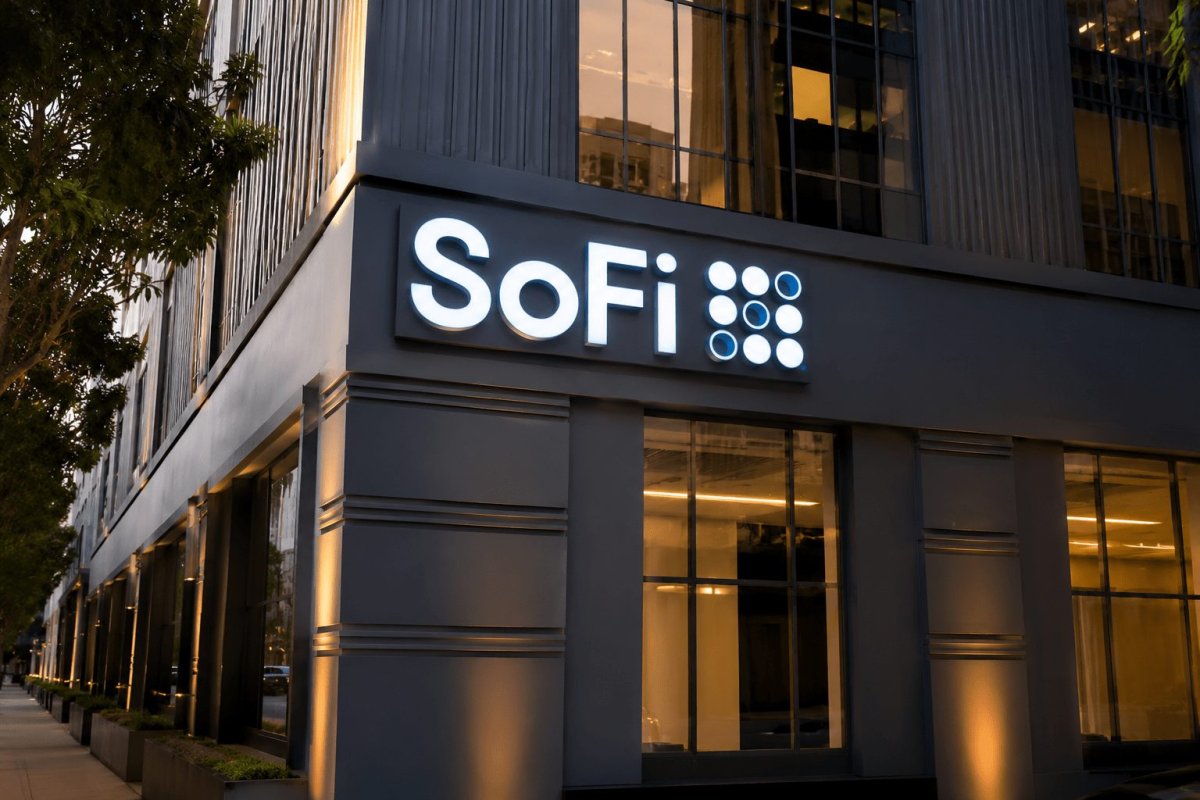
SoFi Technologies shares traded near $15.60 on Monday, essentially unchanged after early gains faded as broader fintech weakness and a dip in U.S. stocks weighed on sentiment. The stock oscillated between $15.40 and $16.31, with roughly 44.7 million shares exchanging hands.
The company's first-quarter results, released late April, showed strong lending and member growth. Net revenue surged 43% year-over-year to $1.10 billion, while net income reached $166.7 million. Adjusted EBITDA came in at $339.9 million. Loan originations totaled $12.2 billion, and the member base expanded 35% to 14.7 million.
However, the Technology Platform segment, which provides banking and payments infrastructure to other firms, saw net revenue plunge 27% in the quarter. SoFi attributed the decline to the loss of a major client that left the platform before the end of 2025. This unit is viewed as a key diversification driver beyond lending.
CEO Anthony Noto characterized the quarter as delivering "durable growth and strong returns," noting that new business in digital assets is "strengthening and diversifying" the platform. Product count grew 39% to 22.2 million.
Analysts struck a cautious tone. William Blair's Andrew Jeffrey pointed out that SoFi did not incorporate first-quarter revenue and EBITDA gains into its 2026 outlook, though he saw "limited" downside after the recent share decline. Truist's Matthew Coad lowered his price target to $17 from $20, maintaining a Hold rating, citing lower expectations for loan platform sales and a reduced outlook for the Technology Platform unit.
Peer performance was mixed to negative, with Robinhood slipping 0.3%, Affirm falling 3.4%, and Nu Holdings edging down 0.2%. The broader fintech group faced pressure as Treasury yields and oil prices ticked higher, reigniting inflation and borrowing cost concerns. The 10-year Treasury yield stood at 4.630% at midday.
In deal news, SoFi confirmed it acquired most assets of UK-based PrimaryBid, a technology provider for directed share programs that aggregate retail orders in IPOs and bond offerings. The acquisition bolsters SoFi's capital markets capabilities.
Risks remain elevated. Higher interest rates could dampen loan demand, and credit losses may increase. If the Technology Platform business fails to recover after losing its key client, investors may continue to view SoFi primarily as a lender, undermining its growth-stock valuation. The market is watching second-quarter loan origination trends, credit quality, and the performance of fee-based businesses to gauge whether the company can sustain its momentum.