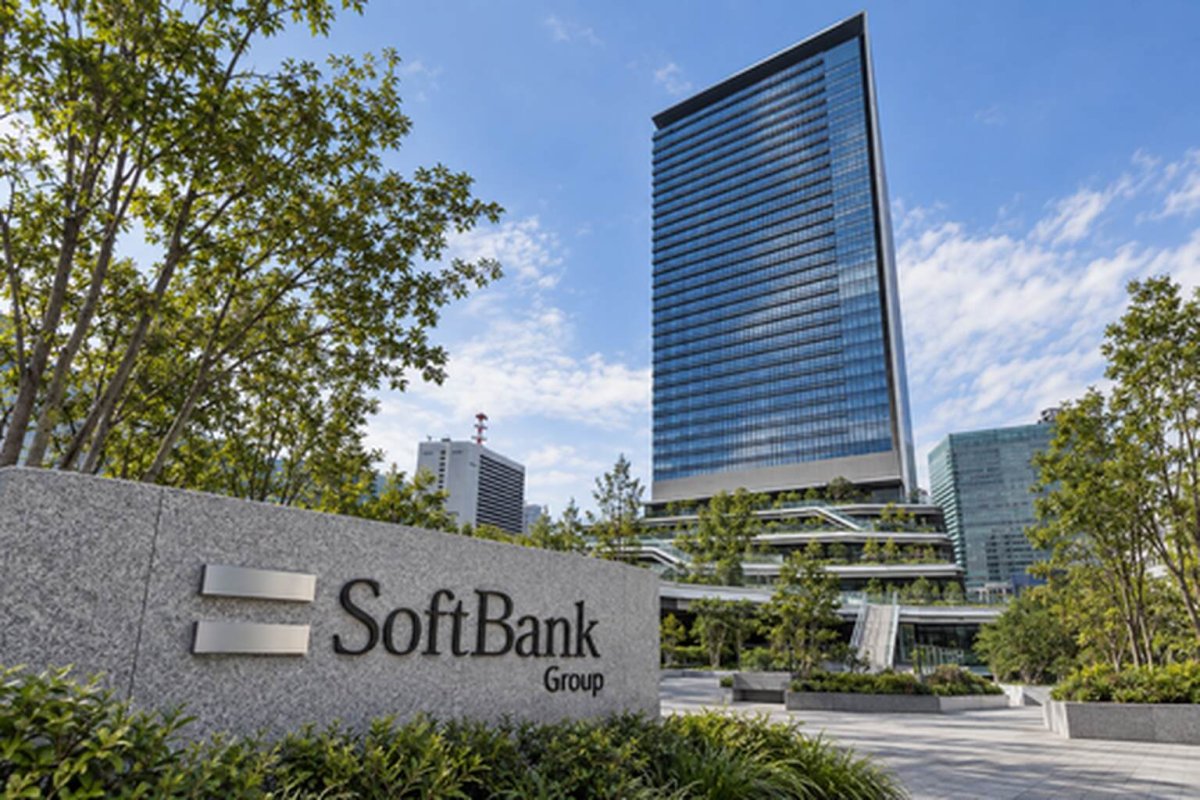
SoftBank Group shares suffered their steepest decline in recent memory on Monday, tumbling 11.4% to ¥5,797 in Tokyo trading after touching an intraday low of ¥5,678. The drop far outpaced the Nikkei 225's 1.0% decline at the same time, underscoring the market's sensitivity to developments surrounding the conglomerate's massive bet on OpenAI.
The immediate trigger was OpenAI CEO Sam Altman's weekend confirmation that the artificial intelligence company will not pursue an initial public offering in 2026. Altman told Fortune that a listing would be "ill-advised" while the company works through safety concerns, and Axios separately reported the decision. Investors reacted swiftly, connecting the delay to broader pressures on AI-linked valuations and SoftBank's significant financial exposure to OpenAI.
October Payment Looming
The IPO postponement is not the only pressure point. SoftBank has a $10 billion payment to OpenAI scheduled for October 1, the final installment of a $30 billion commitment made in February. The first two payments were completed in April and July, and the third is now due. If all three close, SoftBank's cumulative OpenAI investment will reach $64.6 billion, representing roughly 13% ownership.
The payment represents approximately 3.9% of SoftBank's net asset value (NAV) as of March 31, based on the company's original ¥155.81-per-dollar conversion rate. That translates to about ¥1.558 trillion against a total NAV of ¥40.1 trillion. While these are scale comparisons rather than current fair-value estimates, they highlight the materiality of the commitment.
Balance Sheet Under Scrutiny
SoftBank's balance sheet faces near-term financing questions. On September 9, the company announced it would repay the entire $25.9 billion outstanding balance of its OpenAI-related bridge facility on September 15, without specifying the replacement funding source. Earlier, its CFO indicated the group expected to borrow another $10 billion in line with October's final payment.
Despite these pressures, SoftBank's own metrics suggest capacity. The company's 2026 annual report showed loan-to-value (LTV) at 17.0% and cash of ¥3.5 trillion as of March 31. Management's policy is to keep LTV below 25% in ordinary markets and no higher than 35% in an emergency. The counterargument to Monday's selloff is that a one-year shift in IPO timing may have little effect on a holding intended to compound over five or ten years, especially with LTV below the normal ceiling.
Valuation Exposure Remains
The absence of a 2026 IPO removes a near-term conversion and liquidity marker for SoftBank's preferred shares, which automatically convert into common stock upon a listing. However, it does not remove quarterly valuation exposure. SoftBank classifies the OpenAI shares as financial assets measured at fair value through profit or loss, so changes in the private valuation can still move reported investment gains, earnings, and net asset value before any listing happens.
Investors will be watching several key items in the coming weeks: the source and cost of funding around the September 15 repayment, completion of the October tranche, and SoftBank's next disclosed OpenAI fair value. These factors will determine whether the IPO delay is merely a postponed liquidity event or a more expensive balance-sheet commitment.
Monday's decline was a repricing of timing and risk rather than evidence of a fresh cash loss, as OpenAI did not announce a new financing round or valuation over the weekend. Still, the market's reaction underscores the heightened scrutiny on AI-related investments and the intricate financial engineering behind SoftBank's strategy.
