South Korea's benchmark KOSPI index extended its decline to 3.28% in late Monday trading, closing near its session low as a double whammy of AI-related risk aversion and surging oil prices weighed heavily on the market's heavyweight chip stocks.
At 3:09 p.m. KST, the index stood at 6,683.56, down 226.35 points from Friday's close and just 28.74 points above its intraday low. The selloff accelerated in the final hour, with the index having been down only 2.5% about an hour earlier.
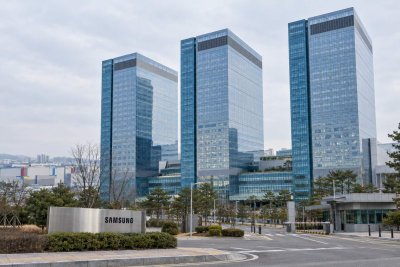
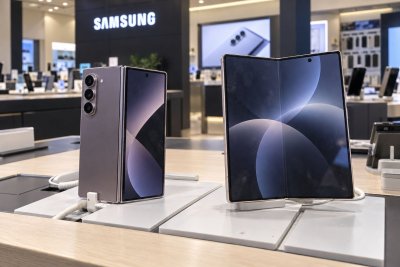
Leading the decline were South Korea's two largest semiconductor makers. SK Hynix tumbled 6.40% to 1,696,000 won, hovering near its session low of 1,690,000 won. Samsung Electronics lost 3.85%, trading at 249,500 won against a previous close of 259,500 won.
AI Safety Concerns Trigger Regional Selloff
The broader trigger was a regional reassessment of AI-related risk. According to the Associated Press, Asian AI-linked shares weakened after leaders from Anthropic and OpenAI called for a slowdown in AI development on safety grounds over the weekend. OpenAI CEO Sam Altman also stated that the company would not pursue an initial public offering this year, adding to investor unease.
The impact was felt across the region. SoftBank, a major OpenAI investor, saw its shares plunge 11.2% in Tokyo trading, underscoring the widespread nature of the AI sentiment shift.
Oil Price Spike Adds Macro Pressure
Compounding the tech-led decline was a sharp rise in crude oil futures, which jumped more than 3% after an attack forced Saudi Arabia to close a pipeline that bypasses the Strait of Hormuz. For South Korea, a major energy importer, a sustained oil shock could fuel inflation and raise interest-rate expectations, even though it has no direct bearing on memory-chip demand.
Index Concentration Amplifies Chip Exposure
The KOSPI's heavy concentration in semiconductor stocks magnifies the impact of any chip-sector turbulence. Deutsche Bank estimated, using data through April 14, that Samsung Electronics and SK Hynix together account for roughly 35% to 40% of the entire index. This means a shift in risk appetite for chip stocks can quickly translate into a market-wide drawdown.
No Evidence of Deteriorating Memory Cycle
Despite Monday's sharp decline, there is no indication that the underlying memory-chip cycle has deteriorated. None of the evidence points to a new order cancellation, earnings warning, or guidance cut from either Samsung or SK Hynix. What changed was the price investors were willing to pay for exposure to AI spending, with oil adding pressure on the discount rate.
What to Watch Next
The bearish case would gain traction if large AI buyers reduce data-center budgets, high-bandwidth-memory pricing weakens, or either chipmaker issues a guidance cut. Conversely, the selloff would likely fade if order and pricing disclosures remain intact and oil or foreign flows stabilize.
As Deutsche Bank's analysis highlights, the weekend appeal for safer AI development is not, by itself, a semiconductor order cancellation. The next meaningful signals will come from the official close, foreign-investor flows, and company disclosures—not just the size of Monday's intraday percentage move.
Until those fundamentals change, SK Hynix's 6.4% drop is best interpreted as an abrupt repricing of risk within a concentrated index, rather than proof that Korea's chip earnings cycle has turned.