Samsung Electronics is intensifying its artificial intelligence ambitions with two distinct strategic moves, each offering a different pathway to potential earnings growth. However, analysts note that while these developments signal a clear direction, they fall short of providing concrete revenue projections.
OpenAI has indicated that its collaboration with Samsung on next-generation chips is expanding, according to a statement from OpenAI Korea's general manager, Harrison Kim. The joint production and research efforts represent the most advanced area of their cooperation, though specific details regarding chip types, manufacturing nodes, timelines, or order values were not disclosed. This announcement follows a broader infrastructure partnership established in October 2025, positioning Samsung as a strategic memory partner for OpenAI's Stargate project, with contributions across memory, logic, foundry, and advanced packaging.
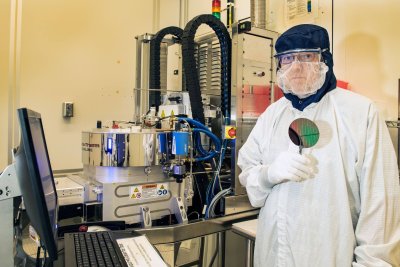
In a separate development, Samsung has entered into a partnership with Mistral AI, a European artificial intelligence company, to deploy large and custom AI models within Samsung's own semiconductor operations. The goal is to enhance defect detection, optimize equipment usage, accelerate development cycles, and improve production yields. By keeping sensitive data on-premises, Samsung aims to leverage AI to reduce internal costs and stabilize manufacturing processes.
The distinction between these two partnerships is crucial for investors. OpenAI could emerge as a major external customer for Samsung's memory, foundry, and packaging services, potentially driving significant revenue. In contrast, Mistral's collaboration is geared toward internal efficiency gains, which could improve margins but may take time to materialize into measurable financial results.
Despite the strategic importance, neither announcement provides sufficient commercial details to estimate the financial impact. Analysts emphasize that partnerships and letters of intent do not guarantee production volumes, and customer qualification processes can be lengthy. The lack of disclosed metrics, such as committed volumes or yield improvement targets, leaves the earnings contribution speculative.
Samsung's reliance on semiconductors is already substantial. In the second quarter of 2026, the Device Solutions division generated 127.5 trillion won in revenue, accounting for approximately 74% of the company's total consolidated revenue of 171.5 trillion won. Operating profit from the division stood at 89.2 trillion won, underscoring the critical role of chips in Samsung's profitability.
The company has been scaling its HBM4 memory sales, delivering HBM4E samples, and securing more 2-nanometer high-performance computing engagements in its foundry business. These areas could benefit from the OpenAI partnership if qualified designs and purchase orders materialize. Meanwhile, Mistral's AI models could enhance the efficiency of Samsung's design and manufacturing processes, potentially improving competitiveness.
Investors are looking for more concrete indicators to justify a bullish outlook. Key disclosures that could strengthen the investment case include a named OpenAI chip reaching production, committed memory or packaging volumes, quantified improvements in yield or cycle time from Mistral's AI, and details on Samsung's equity stake in Mistral. Without such specifics, the recent announcements support Samsung's strategic positioning but do not yet validate the optimistic projections surrounding the 900,000 DRAM wafers per month or Mistral's valuation.
As Samsung continues to navigate the competitive landscape against rivals like SK hynix and TSMC, the success of these partnerships will depend on execution and the ability to convert strategic initiatives into tangible financial outcomes. For now, the market remains cautiously optimistic, with shares closing modestly higher at 269,500 won on September 9.