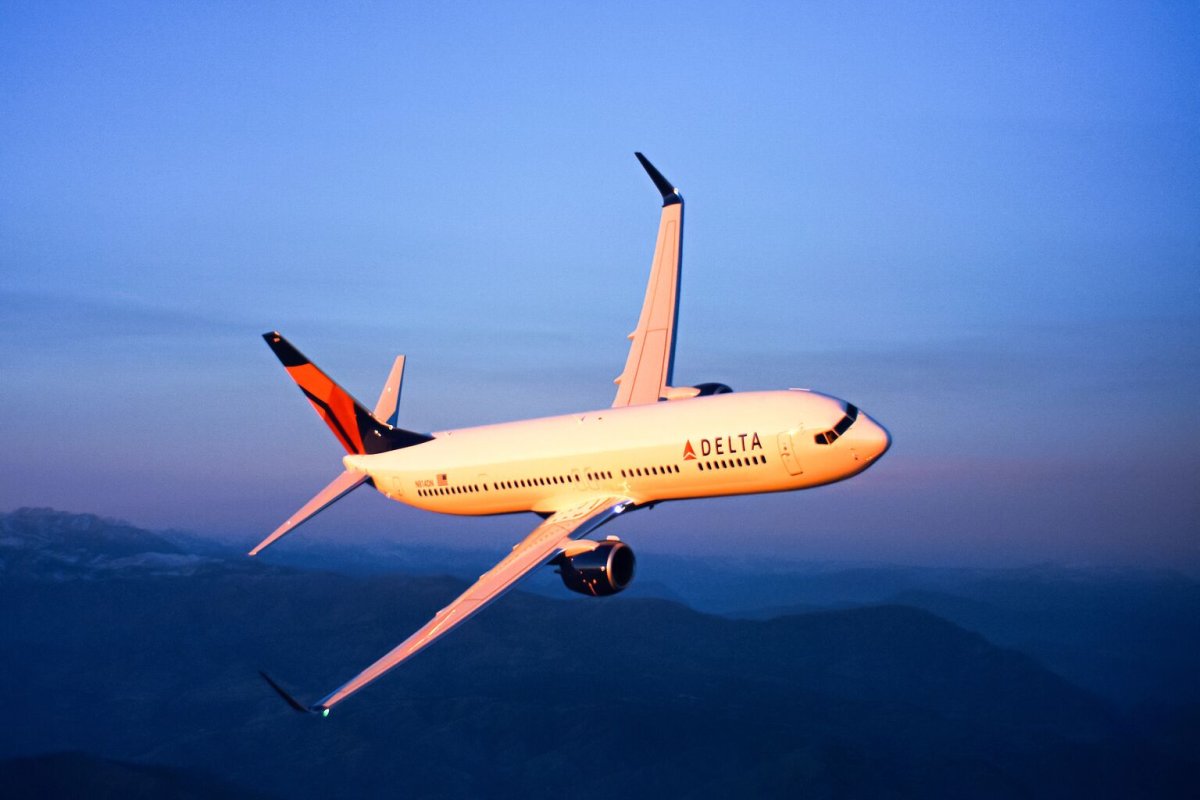
Delta Air Lines (NYSE: DAL) faced a tense operational incident on September 6 when Flight 2311, a Boeing 737-900ER en route from Los Angeles to Salt Lake City, experienced a sudden loss of cabin pressurization. The aircraft, carrying 181 passengers and crew, made an emergency descent and diverted to Las Vegas, where it landed safely. While the event raised concerns among travelers, its impact on Delta's financial outlook appears limited, according to industry observers.
What Happened on Flight 2311?
The flight was cruising at approximately 35,000 feet over the Mojave Desert when the pressurization issue occurred. Oxygen masks deployed automatically, and the flight crew donned their own masks before executing a rapid descent to 9,000 feet. Air traffic control audio and Delta's statement confirm the pilots followed standard procedures. The aircraft, registration N934DZ, landed at Harry Reid International Airport at around 6:16 p.m. local time.
Delta has not yet disclosed the specific mechanical cause—whether a faulty valve, sensor, or other component triggered the pressure loss. The airline emphasized that the crew acted per training, bringing the aircraft to an optimal altitude and apologizing to customers. No fleet grounding or widespread inspection program has been announced.
Market Reaction and Financial Context
DAL shares closed at $78.75 on September 9, down 0.27% for the session and 1.8% over the two trading days following the incident. This muted response suggests investors have not priced in significant financial damage. The broader airline sector has been grappling with volatile fuel prices and macroeconomic headwinds, making it difficult to attribute the stock's movement solely to Flight 2311.
Delta's financial scale dwarfs the direct costs of a single diversion, which include fuel, landing fees, passenger compensation, and potential inspection expenses. In the second quarter, Delta reported operating revenue of $19.8 billion and operating income of $1.6 billion. The company's September-quarter guidance projects revenue growth in the mid-teens, an operating margin between 11% and 13%, and earnings per share of $2.00 to $2.50. Full-year guidance remains at $6.50 to $7.50 per share with free cash flow of $3 billion to $4 billion.
Fleet Impact and Technical Risk
The affected aircraft represents a tiny fraction of Delta's 737-900ER fleet, which numbers 163 jets. A one-off repair would have minimal financial weight. However, if investigators uncover a systemic issue requiring inspections across the model, that could affect a meaningful portion of domestic capacity. The key risk is recurrence, not the immediate landing bill.
Delta's premium revenue and customer loyalty depend heavily on operational reliability, as highlighted in its annual filing. A frightening cabin event can erode passenger confidence if it becomes part of a pattern or if the airline's response is perceived as inadequate. So far, there is no evidence of a broader trend, and the crew's handling of the emergency demonstrates that safety procedures are effective.
Investor Takeaways
For now, the incident appears contained. The critical questions revolve around the technical diagnosis: what failed, whether similar components exist elsewhere in the fleet, how long N934DZ remains out of service, and whether regulators mandate follow-up actions. Any of these factors could shift the analysis.
Investors should monitor Delta's maintenance disclosures and any regulatory announcements. A fleet-wide inspection, repeated cabin-pressure events, injuries, or litigation with credible damages would warrant a reassessment. Until then, the prudent view is that Flight 2311 is an isolated operational event rather than a harbinger of earnings cuts.