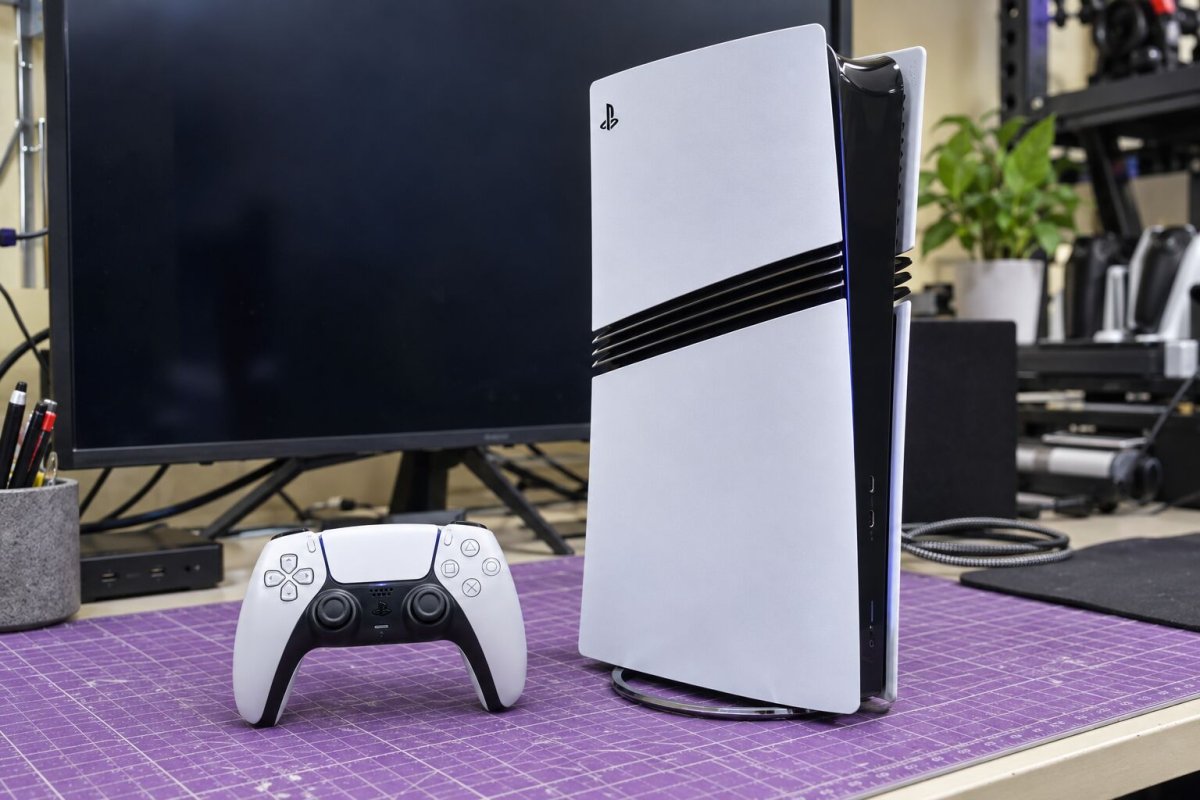
Sony Group's stock slipped 0.8% in Tokyo trading on September 9, closing at ¥3,625, even as the newly launched PlayStation 5 Pro sold out across major U.S. retailers. The premium console, priced at $899, vanished from shelves at Amazon, Best Buy, Walmart, Target, GameStop, and PlayStation Direct, according to a retailer check dated September 7. While the sellout might seem like a positive demand signal, it also exposes supply constraints that could temper the financial windfall.
Market Reaction and Context
The Tokyo-listed shares are now 10.4% below their September 1 close, and the New York-listed ADR (SONY) ended September 8 at $23.53, down 4.2%. These declines are not solely attributable to console availability, but they underscore investor concerns about whether Sony can replenish PS5 Pro stock at its premium price point without eroding the hardware profitability it has promised.
The Sellout: A Snapshot, Not a Sales Figure
The retailer check revealed limited open-box or used units and third-party listings well above the retail price. Availability varies by store and zip code, so this is a snapshot rather than a disclosed sales total. Sony's official U.S. storefront lists the 2TB PS5 Pro at $899, compared to $649 for the 1TB standard PS5 and $599 for the 825GB Digital Edition. The Pro model includes a larger SSD, enhanced ray tracing, and AI-assisted PlayStation Spectral Super Resolution, but it remains all-digital unless buyers add a separate disc drive.
GTA VI Timing and Demand Attribution
The timing of the sellout coincides with the upcoming release of Grand Theft Auto VI, scheduled for November 19 on PlayStation 5 and Xbox Series X|S. However, causation has not been proven. The stock shortage followed an extended look at the game on August 27, yet neither Sony nor retailers have disclosed how many Pro units were sold, the size of pre-rush inventory, or how much demand came directly from that presentation.
Profitability vs. Sellout
In Sony's fiscal first quarter, Game & Network Services sales were nearly flat at ¥937.1 billion, while segment operating income rose 36.5% to ¥202.0 billion, lifting the operating margin to 21.6% from 15.8% a year earlier. However, the hardware line was weaker: PS5 sell-in dropped to 1.6 million units from 2.5 million, and hardware revenue declined 9.8% to ¥138.3 billion. The smaller revenue decline suggests pricing and product mix provided some cushion, though Sony does not report PS5 Pro units or a clean average selling price.
This distinction is critical. A sellout can occur due to exceptional demand, deliberately lean inventory, or component supply limitations. Only the first is an unambiguously positive signal; the latter two cap the number of consoles Sony can monetize. Management has said it secured enough memory for projected fiscal-year PS5 volume and expects hardware profitability similar to the prior year, but a pre-holiday stockout is only valuable if replenishment arrives while customers are still willing to pay $899.
The Broader PlayStation Economics
The console is just the entry point. Network-services revenue rose 20.9% to ¥208.6 billion in the June quarter, and PlayStation monthly active users reached 125 million. Sony raised its fiscal-year Game & Network Services forecast to ¥4.54 trillion in sales and ¥660 billion in operating income, implying a 14.5% margin. The bull case is that premium hardware demand expands or upgrades the installed base, driving software and subscription revenue over time. The bear case is that Pro buyers may already own a PS5, making it a replacement rather than new ecosystem growth. Resale prices near $1,300 benefit resellers, not Sony.
What Investors Should Watch
To turn the shortage into stronger evidence, investors should look for repeated restocks that sell through quickly at the official price, confirmation of meaningful PS5 Pro enhancements for GTA VI, and quarterly hardware revenue that holds up without eroding segment margin. If stock remains scarce into November, Sony may have demonstrated pricing power but failed to capture all available demand.
For now, the $899 sellout is a favorable signal inside a mixed hardware picture. It challenges the notion that the higher price killed premium demand, but it does not overturn the reported decline in PS5 units, and it cannot by itself explain the share-price slide. The next restock—and the margin attached to it—will say more than today's empty product pages.