Space Exploration Technologies Corp. (NASDAQ: SPCX) saw its shares tick up 0.45% on Friday, closing at $141.50. The modest advance added approximately $8.4 billion to the company's market capitalization, bringing it to a towering $1.86 trillion. The move, however, came on notably light volume—only 55.1 million shares changed hands, representing just 47% of the stock's 65-day average, suggesting limited conviction behind the uptick. In after-hours trading, the stock slipped slightly to $140.97.
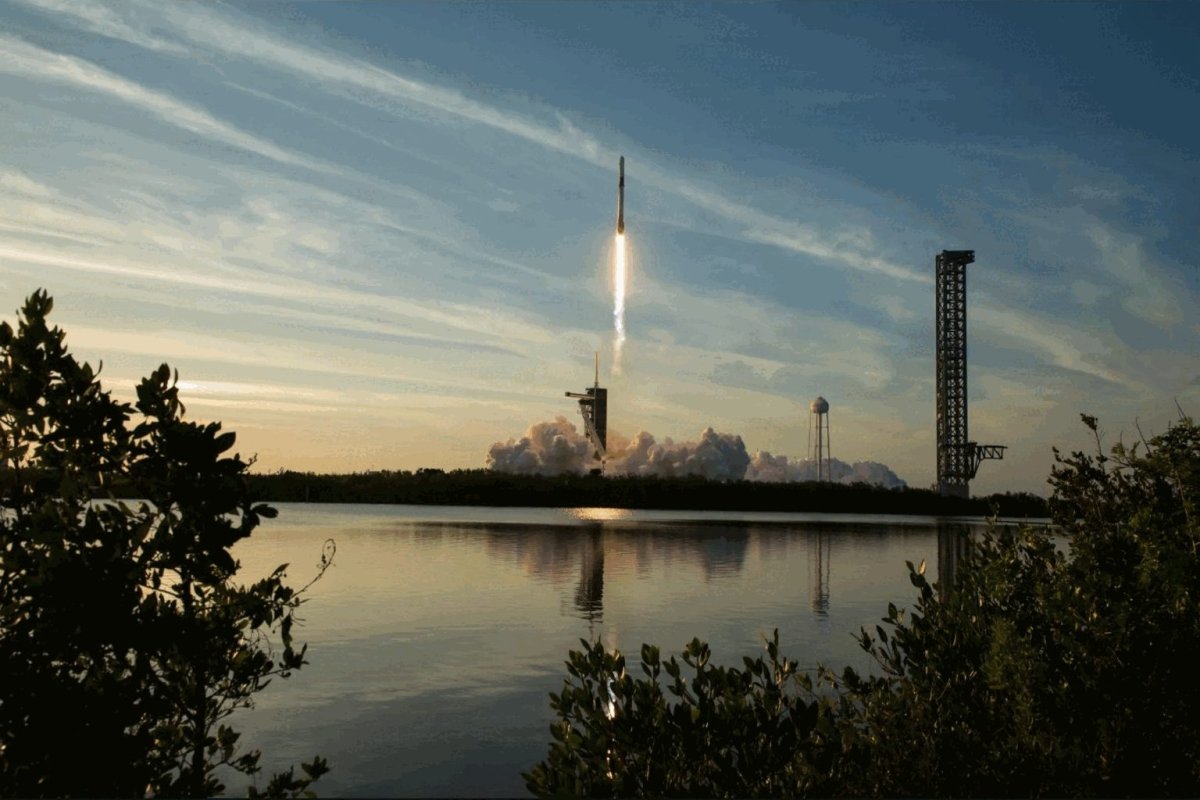
The quiet gain followed another successful Starlink mission earlier in the week, underscoring SpaceX's relentless launch cadence for its satellite internet constellation. This operational consistency remains a cornerstone of the company's growth narrative, as Starlink continues to be the primary cash engine funding ambitious projects like Starship and AI expansion.
Explosive Revenue Growth and Heavy Investment
SpaceX's second-quarter financials, released earlier this month, painted a picture of breakneck expansion. Revenue for the quarter totaled $7.81 billion, a staggering 92% jump from the $4.07 billion reported in the same period last year. Adjusted EBITDA surged 191% to $3.54 billion, while the net loss narrowed to $541 million from $1.01 billion a year ago. These figures reflect a company scaling rapidly, though profitability remains elusive as investments accelerate.
Capital expenditure (capex) reached $18.37 billion in the quarter, more than double the revenue generated. This spending is heavily tilted toward artificial intelligence infrastructure, with AI-related capex alone hitting $15.83 billion. The company is clearly betting big on AI to drive future growth, even as it continues to fund Starlink and Starship development.
Connectivity and AI: The Twin Engines
The connectivity segment, anchored by Starlink, delivered revenue of $4.29 billion, up 66% year-over-year, and generated $1.66 billion in operating income. This segment now accounts for 55% of total revenue, reinforcing its role as the company's financial backbone. Meanwhile, the AI segment is growing even faster, with revenue surging 247% to $2.56 billion. Adjusted EBITDA for AI turned positive at $1.15 billion, though the segment still posted an operating loss of $1.26 billion, reflecting heavy investment in infrastructure and R&D.
Balance Sheet Strength and Valuation Concerns
SpaceX's balance sheet remains formidable, with cash, equivalents, and marketable securities totaling $100 billion. The backlog has climbed to $47.5 billion following the company's June IPO, which raised approximately $85.7 billion in net proceeds. This financial cushion provides ample runway for continued investment, but it also raises questions about capital allocation and returns.
At the current price, SpaceX trades at nearly 60 times its annualized second-quarter sales, a valuation that suggests investors are pricing in substantial future growth rather than current earnings. The stock remains 37.3% below its post-IPO peak of $225.64, a reminder of the volatility inherent in high-growth names.
Analyst Sentiment and Execution Risk
Wall Street's view is largely optimistic, with the consensus rating at Overweight. The average price target among 40 analysts stands at $226.26, implying roughly 60% upside from Friday's close. However, forecasts range widely—from a bearish $75 to a bullish $800—reflecting deep uncertainty about the company's trajectory.
The key risk is execution. SpaceX must channel Starlink's profits into Starship development and AI expansion while preserving its IPO cash buffer. Any launch setbacks, Starship delays, slower-than-expected AI contract conversions, or rising infrastructure costs could dent investor confidence. Regulatory hurdles and spectrum availability also loom as potential headwinds.
Friday's modest gain on light volume does little to resolve these concerns. The market appears to be waiting for clearer signals on how SpaceX will balance its ambitious growth plans with the need to deliver tangible returns. Until then, the stock's valuation remains a bet on the future—a future that hinges on flawless execution in an increasingly competitive space and AI landscape.
