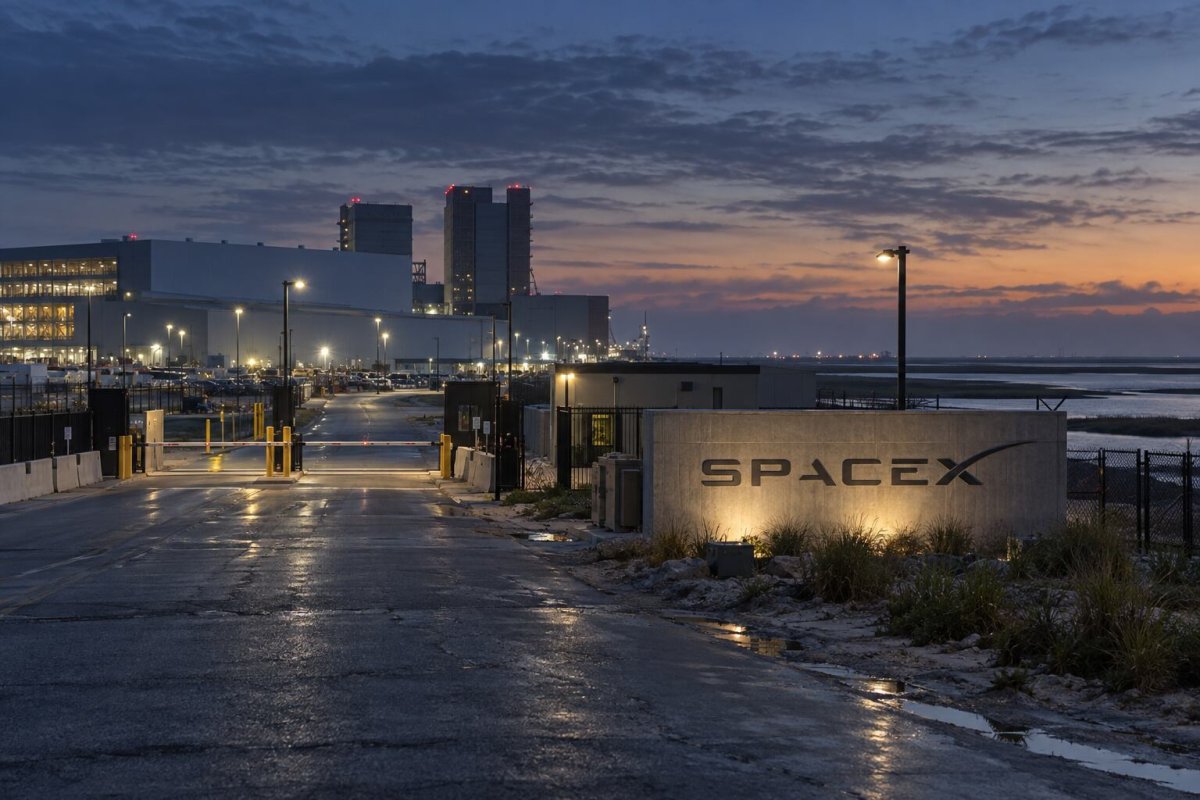
SpaceX (SPCX) experienced a 3.9% decline on Wednesday, closing at $147.55, as another substantial block of shares became eligible for trading. The move was part of a carefully staged post-IPO lockup schedule, with as many as 319 million Class A shares unlocking on the 90th day after the company's June debut.
The trading session saw 120.4 million shares change hands, a significant increase from the previous day's 85.8 million. This surge in volume is a clear indication of heightened activity, yet it does not necessarily mean that all newly unlocked shares were sold. The market demonstrated resilience, with the stock price remaining 9.3% above its initial public offering price of $135.
Understanding the Staggered Lockup
SpaceX's IPO prospectus outlined an unusually complex lockup structure. In addition to standard restrictions tied to quarterly earnings announcements, the company allowed for the release of up to 7% of the restricted shares at specific intervals: 70, 90, 105, 120, and 135 days after the IPO. Wednesday marked the 90-day step, making approximately 319 million shares eligible for trading.
It is crucial to note that 'eligible' does not equate to 'sold.' At the closing price, the unlocked shares had a notional value of roughly $47.1 billion. However, total market volume was only about 38% of that share count, and this includes regular trading of already-public shares. The market absorbed this potential supply without a collapse in price, a positive signal for investor confidence.
Supply Test, Not a Broken Thesis
The one-day drop appears to be a manageable supply test rather than a fundamental shift. The stock closed well above its IPO price and did not revisit the lows seen during its first earnings-linked lockup release in August. A similar 319 million-share step on August 20 also led to a roughly 4% decline, followed by a rebound the next session, according to Benzinga. This pattern suggests that the market is capable of digesting these tranches.
The supply calendar is not yet complete. Additional 7% tranches are scheduled to unlock at days 105, 120, and 135. Furthermore, up to 28% of shares will become transferable after SpaceX reports its September-quarter results, and the majority of remaining shares will be released after the 180-day mark. Founder Elon Musk's shares are subject to a longer 366-day restriction, so Wednesday's event was not a founder-liquidity event.
Valuation Remains the Key Risk
At $147.55, SpaceX's market capitalization stands at roughly $1.94 trillion, based on 13.176 billion shares outstanding. This valuation is approximately 62 times annualized second-quarter revenue, a multiple that reflects the company's rapid growth across its launch, Starlink, and AI businesses. However, such a high multiple leaves little room for error, and any slowdown in growth could trigger significant valuation adjustments.
The company's operating results are formidable. Second-quarter revenue nearly doubled to $7.81 billion, while the net loss narrowed to $541 million. Adjusted EBITDA reached $3.54 billion, driven by strong performance in the Connectivity ($2.60 billion) and AI ($1.15 billion) segments, though the Space segment still posted a $205 million adjusted EBITDA loss. This diversified revenue stream supports the premium valuation, but investors are essentially betting on continuous execution.
What Investors Should Watch
Key indicators to monitor include whether trading volume remains elevated in the coming sessions. If the stock can hold its price with high volume, it suggests strong demand is absorbing the increased float. Conversely, repeated high-volume declines could indicate a persistent supply overhang.
Additionally, investors should listen for management commentary. CFO Bret Johnsen is scheduled to speak at the Goldman Sachs Communacopia and Technology Conference on Thursday. Insights into AI infrastructure spending, Starlink economics, and potential acquisitions will be critical in assessing the company's ability to justify its near-$2 trillion valuation.
In conclusion, Wednesday's decline did not break the post-IPO thesis, but it has reduced some of the scarcity premium. The question now is whether SpaceX can deliver the growth needed to support its lofty valuation as more shares become available for trading.
