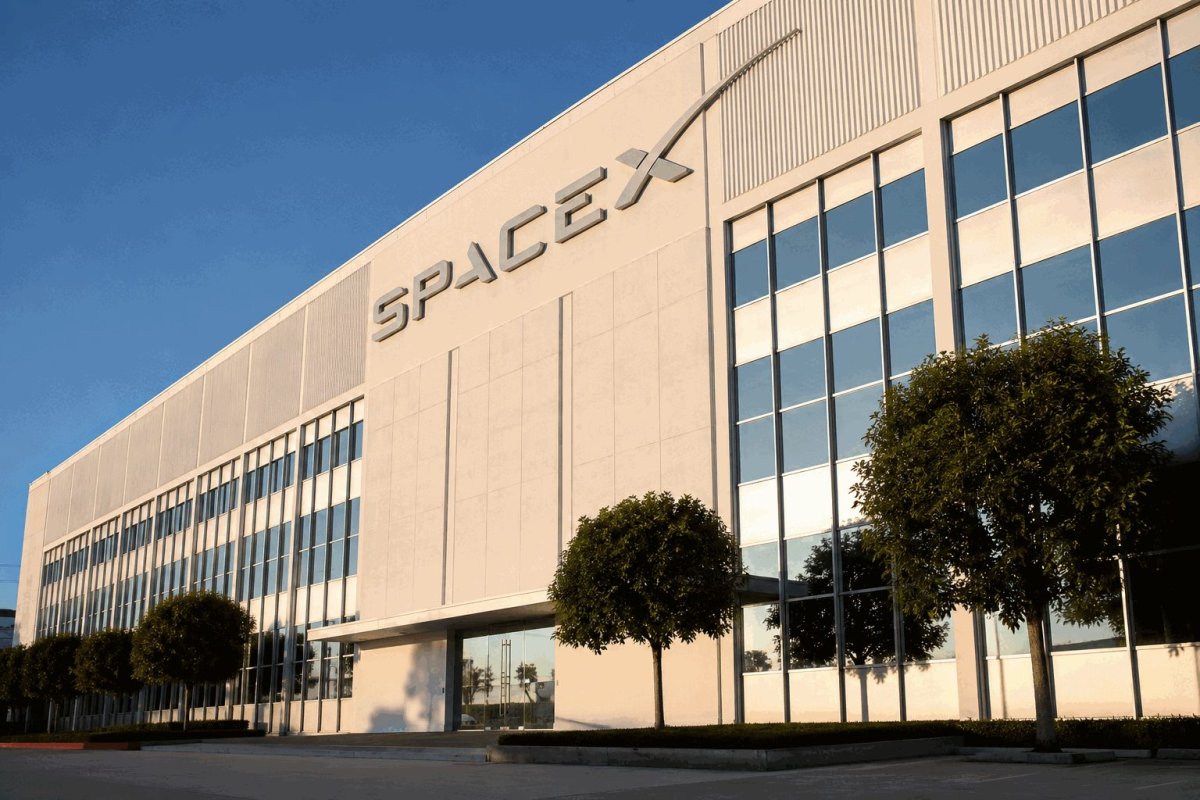
Space Exploration Technologies Corp. (NASDAQ:SPCX) experienced a notable decline on Tuesday, with shares dropping 5.3% to $131.33 by 14:30 EDT, placing the stock 2.7% below its initial public offering price of $135. The downturn comes as the company braces for a significant supply event: approximately 320 million restricted shares are scheduled to become eligible for trading on August 20, a volume equivalent to 2.6 times the stock's three-month average daily trading volume.
The upcoming unlock follows a period of relative strength. Last week, the initial tranche of shares—around 911 million—became available, yet insider selling was notably absent, leading to a 16% surge on Friday and an additional 4.2% gain on Monday, pushing the stock to $138.74. However, Tuesday's sell-off erased those gains, pulling the price below the IPO level.
Market Performance and Technical Indicators
As of Tuesday afternoon, trading volume had reached 81.7 million shares, with the stock fluctuating between $130.50 and $139.98 during the session. The stock was trading near its daily low, down 7.5% from its 50-day moving average and 41.8% below its 52-week high. The company's market capitalization stood at $1.73 trillion.
The August 20 unlock represents about 50.1% of the total IPO shares sold, including the underwriter option. While eligibility to sell does not guarantee immediate sales, the sheer size of the tranche—equivalent to roughly 7% of restricted stock—could exert downward pressure on the share price.
Fundamentals and Growth Outlook
Despite the near-term supply concerns, SpaceX's fundamentals remain robust. Second-quarter revenue surged 92% year-over-year to $7.81 billion, comfortably beating analyst expectations of $6.93 billion. The company reported a net loss of $541 million, narrower than the $1.0 billion loss in the same period last year, with a loss per share of $0.09 versus a projected $0.26 loss.
Capital expenditures totaled $18.37 billion, more than double the quarter's revenue, underscoring the company's heavy investment in AI infrastructure and expansion. This spending ratio links SpaceX's valuation to anticipated future gains from AI rather than current profitability.
Segment Breakdown
- Connectivity (Starlink): $4.29 billion, 54.9% of revenue
- AI: $2.56 billion, 32.8% of revenue
- Space operations: $962 million, 12.3% of revenue
Connectivity remains the dominant segment, but AI now accounts for nearly one-third of divisional revenue and the bulk of capital expenditure. Management has set an ambitious target of reaching a $100 billion annualized revenue run-rate by December, up from just over $30 billion currently. CEO Elon Musk has described this goal as “very achievable.”
Analyst Sentiment and Risks
The analyst community is divided. The consensus rating is Moderate Buy with an average price target of $229, implying a 74.4% upside from current levels. Recommendations range from HSBC's Hold with a $115 target to Needham's Buy with a $250 target. Morgan Stanley's Adam Jonas remains optimistic, stating, “SpaceX remains uniquely positioned across launch, connectivity, and AI,” and views the current valuation as an attractive entry point.
Key risks include prolonged elevated AI investment before profitability, potential insider selling increasing the float, and execution issues at Starship or Starlink that could undermine growth. The August 20 unlock will be a critical test. If buyers absorb the 320 million shares without a significant discount, Tuesday's dip could prove short-lived. Conversely, intensified selling could pressure the stock further, as the market grapples with a supply equivalent to 2.6 average trading days.
