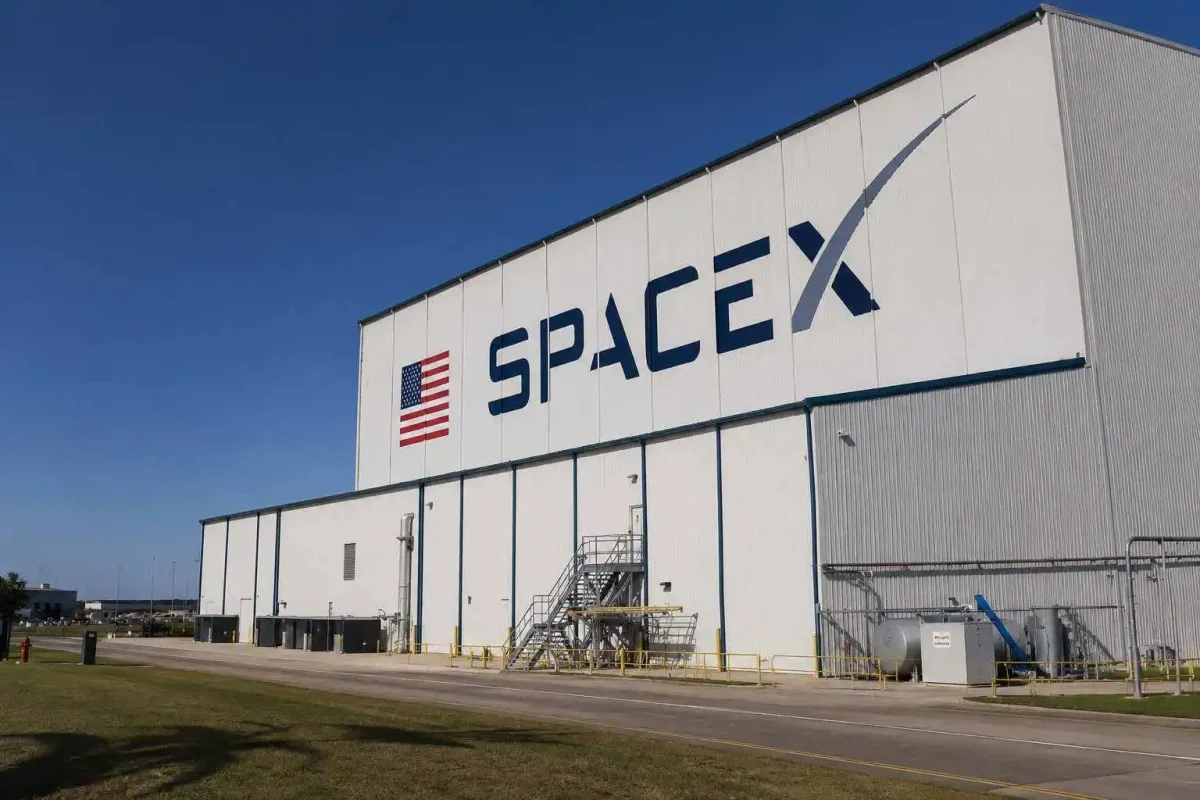
Space Exploration Technologies (NASDAQ:SPCX) ended the trading week at $115.07 on Friday, marking a 7.2% decline from the prior week's close of $123.99. The stock is now trading 14.8% below its IPO price and 49.0% below the intraday high reached in June.
According to a preliminary estimate derived from Friday's closing price, the market is assigning approximately $200 billion in AI-related value to SpaceX above the $100 per share baseline valuation from Morgan Stanley (NYSE:MS) that excludes artificial intelligence. This $15.07 premium over the $100 level translates to roughly $200 billion based on the company's $1.53 trillion market capitalization. It is important to note that this is an initial estimate by this article, not a figure from Morgan Stanley.
The AI premium is now poised for a supply test. On August 6, a lockup expiry will make 911.5 million shares eligible for sale, valued at approximately $104.9 billion based on Friday's closing price. This block represents about 141% of SpaceX's existing public float. While eligibility does not guarantee insider sales, the sheer volume raises concerns about potential downward pressure.
Morgan Stanley analyst Adam Jonas has set a $300 price target for SpaceX, with AI representing more than half of that valuation. "Many ascribe zero or even negative value for AI," Jonas noted. The $300 target implies a significantly higher AI valuation. Exceeding $150 per share would correspond to approximately $2 trillion on the existing equity base, nearly tenfold the current implied value for the AI segment.
The IPO presentation provides insight into the valuation discount. For 2025, SpaceX's AI segment reported adjusted EBITDA of negative $1.2 billion, while the connectivity business generated $7.2 billion in revenue and space operations contributed $700 million. These figures are unaudited and non-GAAP, and may be revised.
Market forecasts offer varying perspectives. The Motley Fool's analysis, based on a 24% average first-year return from 10 major U.S. IPOs, shows individual performances ranging from a 76% loss to a 284% gain, limiting the usefulness of the average. Reuters examined 50 IPOs and found that those initially falling below their offer price eventually saw a median gain of 61%, while offerings that maintained their offer price have climbed 112% since launch.
Operational results over the weekend were mixed. Starship successfully launched 20 advanced test satellites and achieved a better atmospheric re-entry. However, five booster engines failed to reignite, resulting in a rougher splashdown than intended.
The key price level to watch this week is the record low of $110.85. Next week brings major catalysts: quarterly earnings are scheduled for August 4, followed by the initial lockup expiry on August 6. Jay Hatfield, CEO of Infrastructure Capital Advisors, maintains a cautious stance. "We won't overweight it because they do have the lockup coming," he told Reuters.
Risks include the fact that the $100 valuation is derived from a sum-of-parts model by a single bank and should not be viewed as a floor. Insiders may retain their holdings, but any changes in earnings or launch milestones could rapidly alter projections for both AI and the core business. As of 6:37 a.m. EDT, SpaceX was last quoted at $115.15, up 0.1% in premarket trading.