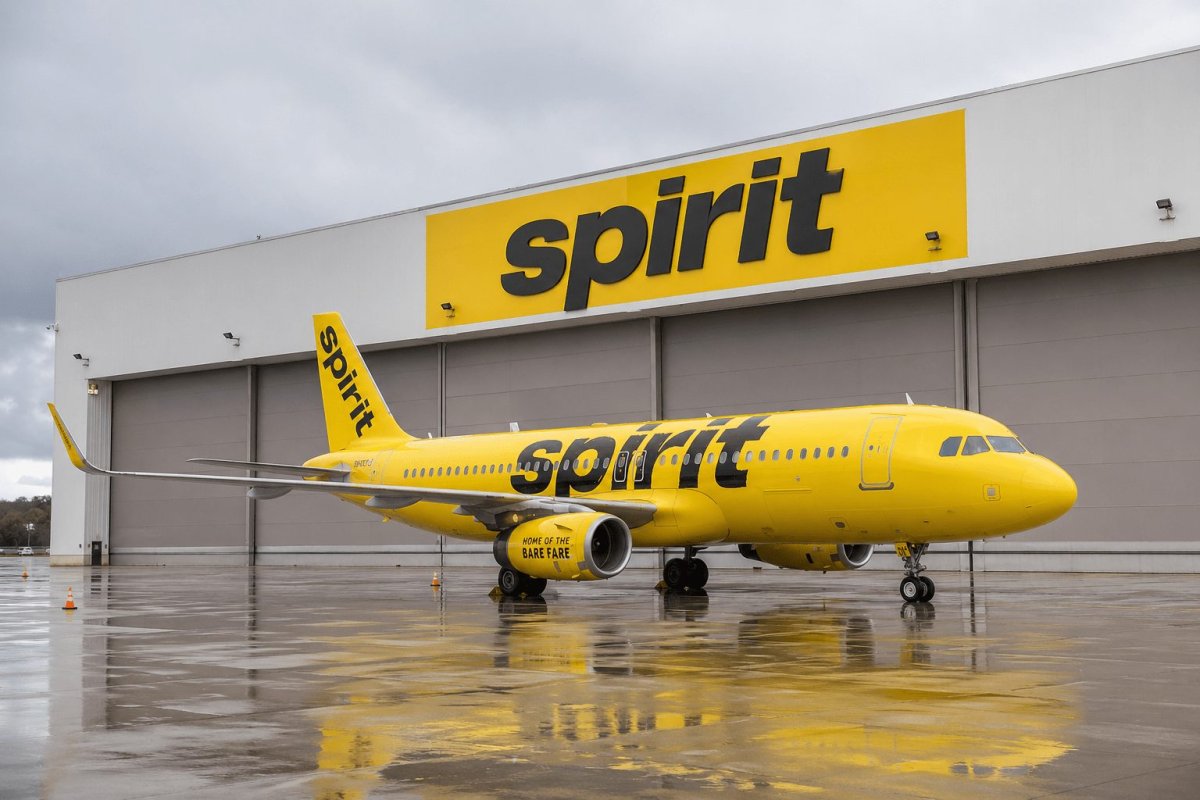
Spirit Airlines has postponed its bankruptcy hearing, which was scheduled for Thursday, as discussions with the U.S. government regarding a potential financial rescue remain ongoing. The delay comes as the airline has yet to file a financing motion, and lenders have not issued an enforcement notice that could accelerate the company toward liquidation.
Urgent Need for Funding
The Florida-based budget carrier faces a critical cash crunch. Last week, the airline's attorney stated that Spirit urgently requires new funding or access to $240 million it already possesses. Without such relief, a liquidation could result in the loss of over 17,000 jobs and trigger claims totaling billions of dollars.
Operations Continue
Despite the financial turmoil, Spirit has confirmed that flights are operating normally and tickets remain available for purchase. Passengers have not experienced disruptions, and scheduled services are proceeding as planned.
Proposed Government Intervention
The potential rescue package, which could reach $500 million in government-backed loans and warrants, would represent an unusually deep level of federal intervention in a U.S. carrier. According to sources familiar with the matter, the deal could leave Washington holding up to 90% of Spirit's equity once the airline emerges from bankruptcy. President Donald Trump has characterized the move as an opportunity to acquire distressed assets, noting the airline's valuable aircraft and assets, with the potential to sell them at a profit after oil prices decline. He also emphasized the importance of preserving jobs and maintaining an operational airline.
Creditor Resistance
However, the plan faces significant pushback from creditors. Bloomberg News, citing sources, reported that Citadel and other lenders have raised objections over terms they argue could diminish the value of their claims. This group has presented a counteroffer, but no response has been received as of yet.
Broader Implications and Industry Reactions
The administration has considered invoking the Defense Production Act to facilitate the rescue, but White House spokesperson Kush Desai cautioned that discussions about financing details remain speculative. Without creditor approval, the bailout is not guaranteed, and holdout lenders could push Spirit toward liquidation. The use of taxpayer funds to rescue a single struggling airline is also likely to spark political debate.
The situation has also prompted other budget carriers to seek expanded support, with a $2.5 billion plan linked to fuel expenses now under consideration. However, Transportation Secretary Sean Duffy has expressed concerns, questioning whether additional funding would be "good money after bad." JPMorgan analyst Jamie Baker labeled a government takeover a "low-probability scenario," arguing that Spirit's bankruptcy is not solely due to high oil prices and warning that aid for Spirit could lead JetBlue and Frontier to also seek assistance. United Airlines CEO Scott Kirby was more critical, calling Spirit's business model "fundamentally flawed" and noting that "well-run airlines are still solidly profitable."
Restructuring Plans and Fuel Costs
Spirit had previously outlined a plan to emerge as a leaner airline, targeting a fleet of 76 to 80 aircraft by the third quarter of 2026 and focusing on key hubs like Fort Lauderdale, Orlando, Detroit, and New York. The plan aimed to reduce debt and lease obligations from $7.4 billion to roughly $2 billion. CEO Dave Davis described these as "material steps forward." However, rising fuel costs have derailed those projections. The restructuring plan had assumed fuel at $2.24 per gallon for 2026, but by mid-April, jet fuel prices had surged to approximately $4.24. J.P. Morgan estimates that these elevated costs could drag Spirit's 2026 operating margin down to negative 20%, adding around $360 million in expenses.
Market Impact
If Spirit were to shut down, fares on routes it once served could rise. Business Insider, using Cirium fare data, reported an average $19 increase—about 14%—on nearly 90 routes Spirit exited between 2024 and 2025. "When an airline leaves, seat supply drops, fares go up," noted airline consultant Mike Arnot.