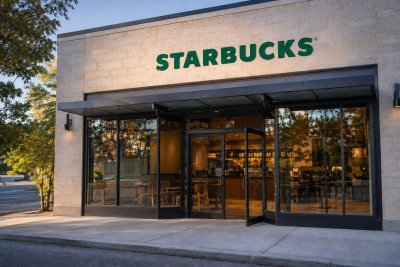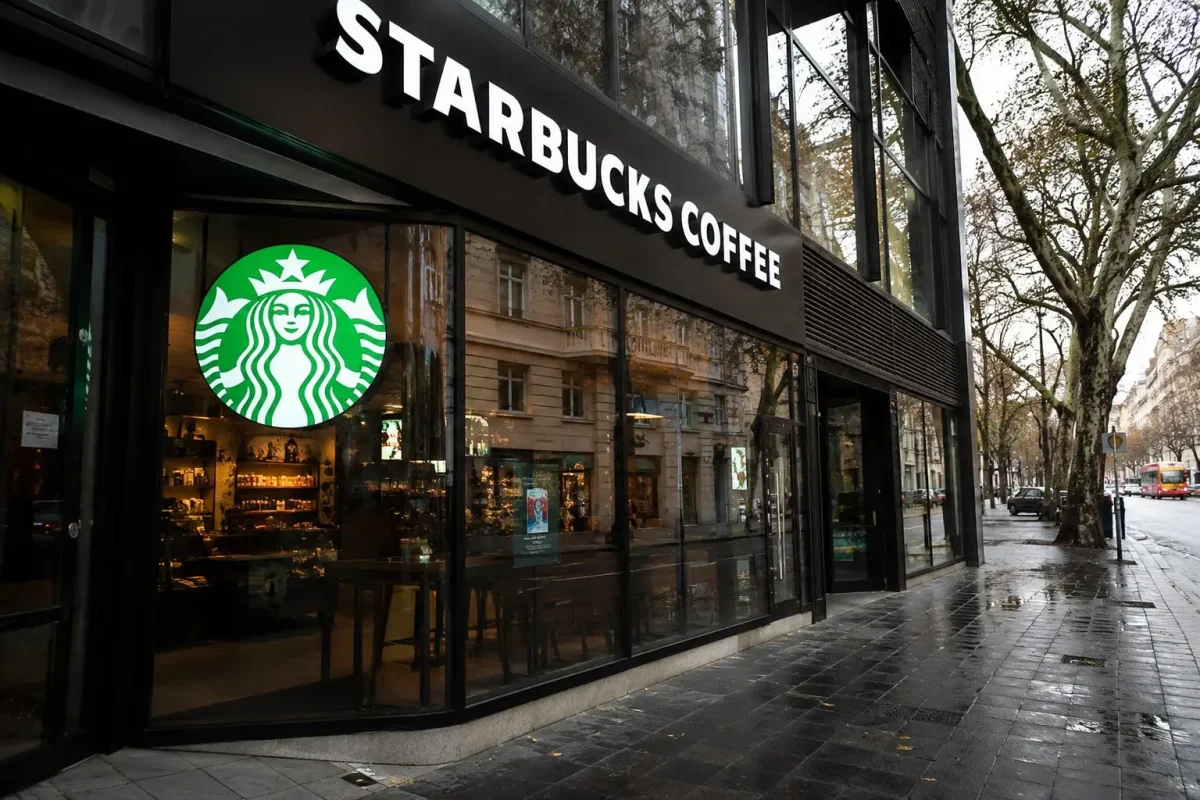
Starbucks is accelerating its international expansion strategy, with its India joint venture targeting 50 to 100 new store openings each year. The move signals a strategic shift under CEO Brian Niccol, who is now focusing on global growth after a period of domestic turnaround efforts.
Tata Starbucks Pvt., the company's Indian arm, has more than doubled its store count to over 500 locations in the past four to five years and now commands approximately 30% of the Indian coffee market, according to CEO Sushant Dash. Speaking in a Bloomberg Television interview, Dash described India as “one of the fastest growing markets” for Starbucks globally.
Despite the rapid expansion, Tata Starbucks remains loss-making. However, Dash noted that EBITDA grew at a double-digit rate and losses were cut in half for the fiscal year ending March 31. “The company won’t sacrifice growth for profitability,” Dash stated, signaling a prioritization of market share over near-term margins.
Niccol’s “Back to Starbucks” plan, which focused on improving labor, reducing wait times, and enhancing the in-store experience, is now being leveraged to support global expansion. The company is testing various store formats in India, including drive-throughs, highway outlets, kiosks, and premium Reserve stores. Dash reported that Reserve stores in Mumbai, Delhi, and Kolkata have exceeded demand expectations.
India presents significant growth potential but also challenges. Only about 24% of Indians drink coffee, compared to 93% who consume tea. Domestic chains like abCoffee and Blue Tokai are expanding rapidly, and international competitors are monitoring the market closely as incomes and consumption rise.
The India push aligns with Niccol’s broader vision for Starbucks. At the company’s investor day in January, Starbucks outlined plans to add up to 5,000 new stores in the U.S., with potential to double that number later, and to double its international footprint to approximately 40,000 stores outside the U.S. In the U.S., the company is focusing on smaller-format stores, with footprints as small as 1,350 square feet and potentially under 1,000 square feet, targeting underserved regions from Texas to Virginia.
Competition in the U.S. coffee market is intensifying, with Dutch Bros and 7 Brew rapidly adding locations and Dunkin’ pushing into the Midwest. Starbucks must also prove it can drive afternoon traffic to make its smaller stores viable. The company reported a 6.2% increase in global comparable store sales for its fiscal second quarter through March 29, with revenue up 9% to $9.5 billion. It ended the quarter with 41,129 stores worldwide.
However, the expansion strategy carries risks. Starbucks’ North America operating margin fell to 9.9% in the second quarter from 11.6% a year earlier, driven by labor investments, product shifts, tariffs, and higher coffee costs. The company must balance service improvements with cost control to ensure that growth does not erode profitability. Niccol’s current approach emphasizes smaller U.S. stores, partnerships and licensing overseas, and investment in markets where coffee consumption is still growing, such as India, which could serve as a test case for the strategy beyond China and the U.S.