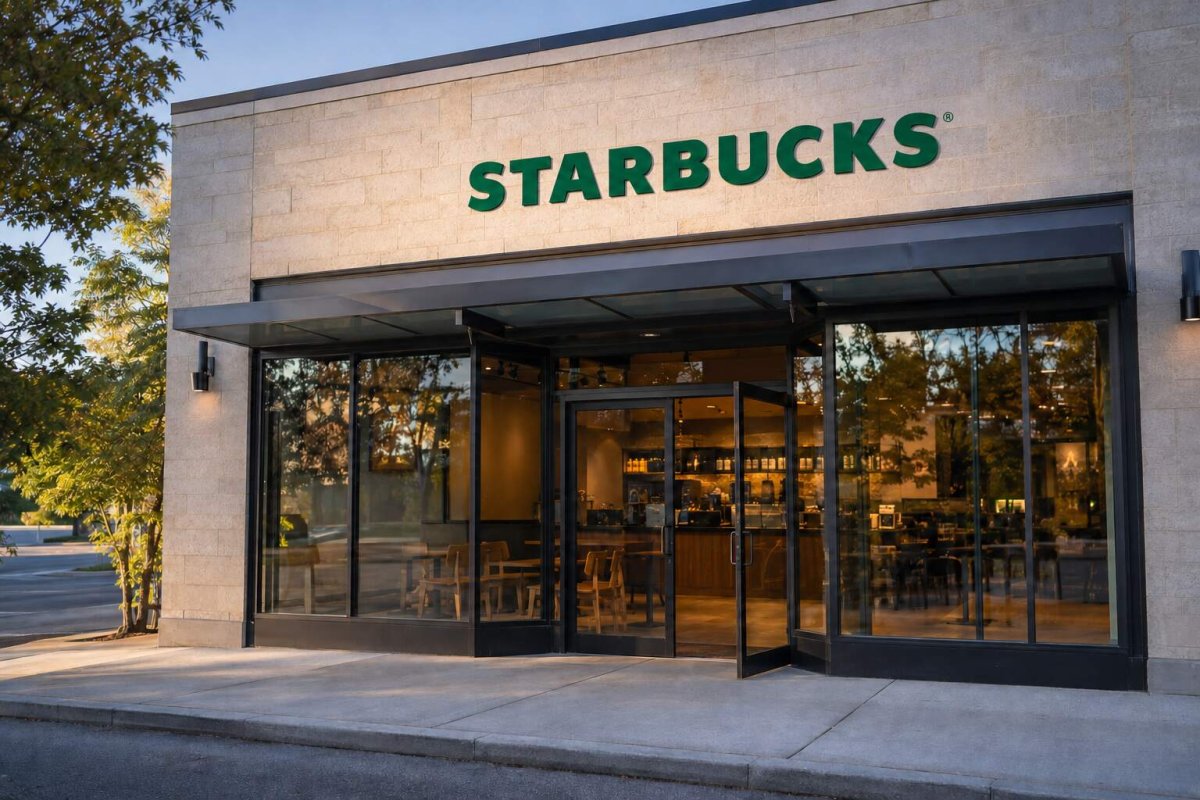
On Labor Day, Starbucks Corporation (NASDAQ:SBUX) operated a patchwork of store hours across the country, reflecting a blend of holiday scheduling and urban demand patterns. While many locations remained open, some flagship urban stores were closed or operated reduced hours, illustrating the operational complexity the coffee giant faces during holidays.
Holiday Hours Vary by Location
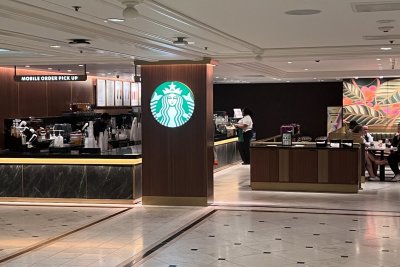
A spot check of Starbucks' official store locator at 6:07 a.m. EDT on September 7, 2026, revealed significant variation. In New York, the 45th Street store near Times Square was open from 5 a.m. to 10 p.m., consistent with its regular daily hours. In contrast, Seattle's Columbia Center café operated from 6 a.m. to 3 p.m. Pacific time, while the Two Union Square location was closed. Chicago's 55 East Jackson store was open from 5 a.m. to 7 p.m. Central time, but the Clark and Jackson outlet was closed.
This three-city check is not a comprehensive national survey, but it underscores that Starbucks' holiday operations are far from uniform. The company's decisions likely reflect local foot traffic expectations, staffing availability, and cost considerations.
The Real Test: Q4 Comparable Sales
While holiday hours are a customer convenience issue, investors are more focused on the company's fiscal fourth-quarter performance. Starbucks has guided to U.S. comparable-store sales growth of at least 6.5% for Q4. This target is particularly demanding given that Q3 already delivered a robust 7.9% increase in U.S. comps, driven by a 4.2% rise in transactions and a 3.6% gain in average ticket.
At the end of Q3, Starbucks operated 16,933 stores in the U.S., part of a global portfolio of 41,304 locations. Of these, 33% were company-operated and 67% licensed. This scale means that a handful of downtown store schedules is a poor proxy for chainwide demand.
Accounting Nuances
There is a subtle accounting point that could affect reported numbers. Comparable sales include company-operated stores that have been open for at least 13 months. Stores that close temporarily for less than three weeks, or that operate reduced hours, remain in the comp base. Therefore, a quiet holiday can negatively impact reported transactions even if the store remains open.
In North America, Q3 operating margin improved only 30 basis points to 13.6%, despite an 8.1% comparable-sales gain. Management attributed the margin expansion to sales leverage and lower inflation, partially offset by increased labor investment and product mix changes. The extra holiday availability creates value only if incremental transactions cover the associated staffing costs.
Market Reaction and Expectations
Starbucks shares closed at $104.47 on Friday, September 4, down 1.28% on the day. The stock is just 5.5% below its 52-week high of $110.51. U.S. markets were closed Monday for Labor Day, so there was no immediate stock reaction to the holiday schedule.
The more significant catalyst will be the release of Q4 earnings, where transaction growth will be the key metric. If the 6.5% comp growth is achieved primarily through higher average ticket, it would satisfy the sales target but raise questions about customer traffic. Conversely, another quarter of positive transaction growth would provide stronger evidence that Starbucks' operational changes are successfully attracting customers.
Store-level schedules answer the immediate question of holiday availability. But the Q4 transaction data and the 6.5% comparable-sales threshold will be the true test for shareholders.