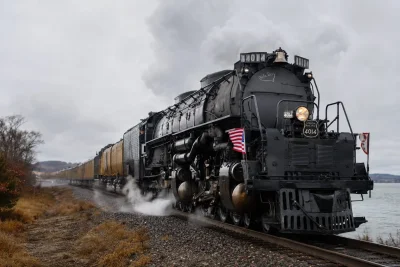
The U.S. Surface Transportation Board (STB) has accepted the revised $85 billion merger application from Union Pacific Corporation (NYSE: UNP) and Norfolk Southern Corporation (NYSE: NSC), but placed the case on hold pending additional information. The regulator issued a decision Thursday, requiring the two rail giants to submit further details by July 27 before the formal review can commence.
The pause effectively delays the launch of what would be the first coast-to-coast freight rail network in the United States. If approved, Union Pacific would acquire Norfolk Southern, combining their routes into roughly 50,000 miles of track spanning 43 states. The STB has moved the case from a basic completeness check into a full merits review, meaning the companies must now demonstrate that the merger serves the public interest and enhances competition.
The board emphasized that it does not support rail mergers that reduce shipper options unless the public benefits are clear and substantial. In its order, the STB noted that sections of the latest filing remain “unclear or underdeveloped” and warned that setting a timeline now could unfairly burden those needing to comment without sufficient detail. The environmental review has been halted and will remain paused until the board determines whether the new information meets its requirements.
Union Pacific and Norfolk Southern submitted their revised application on April 30, following the STB’s January decision to reject the original as incomplete. The board is now requesting additional data on competition, market-share forecasts, service plans, car supply, and downstream impacts, including effects on other railroads, shippers, and potential future merger pressures. The STB also seeks more information on impacts to passenger rail services.
The environmental review is expected to be significant. The board plans to conduct a full environmental impact statement, which will include at least 12 in-person public meetings and several virtual sessions once the process restarts.
Shares of both companies declined on the news. Union Pacific fell 4.2% on Thursday, while Norfolk Southern dropped 5.4%, according to Reuters. RBC analyst Walter Spracklin commented that the delay likely does not change the odds of approval, calling the news “neutral to sentiment.”
Union Pacific CEO Jim Vena touted the merger’s potential benefits, stating it promises “more reliable and lower-cost transportation options” for businesses. Norfolk Southern CEO Mark George expressed confidence after submitting the more detailed amended application. The companies project the combined railroad would move approximately 2.1 million truckloads to rail annually, cut shipping costs for customers by $3.5 billion per year, and create about 1,200 net union jobs by the third year post-merger. They also note over 2,000 letters of support from customers, labor unions, short-line railroads, ports, and business groups.
Railroad competition remains intense. Norfolk Southern and CSX dominate freight in the East, while BNSF and Union Pacific handle the West, with CPKC extending lines through Canada, the U.S., and Mexico. BNSF CEO Katie Farmer criticized the merger as “driven by Wall Street” and argued it would “eliminate competition.” Union Pacific counters that the deal would not significantly shift the overall freight market.
Union Pacific faces new risks if the pause drags on. The STB could attach conditions, slow the timetable, or reject the deal entirely. Under the merger agreement, Norfolk Southern would receive a $2.5 billion breakup fee if the deal collapses, and Union Pacific can walk if required concessions exceed $750 million. After the companies file the additional information, the STB is expected to issue a new timeline, with a one-year review period plus three months for a decision. The companies now anticipate closing around mid-2027.