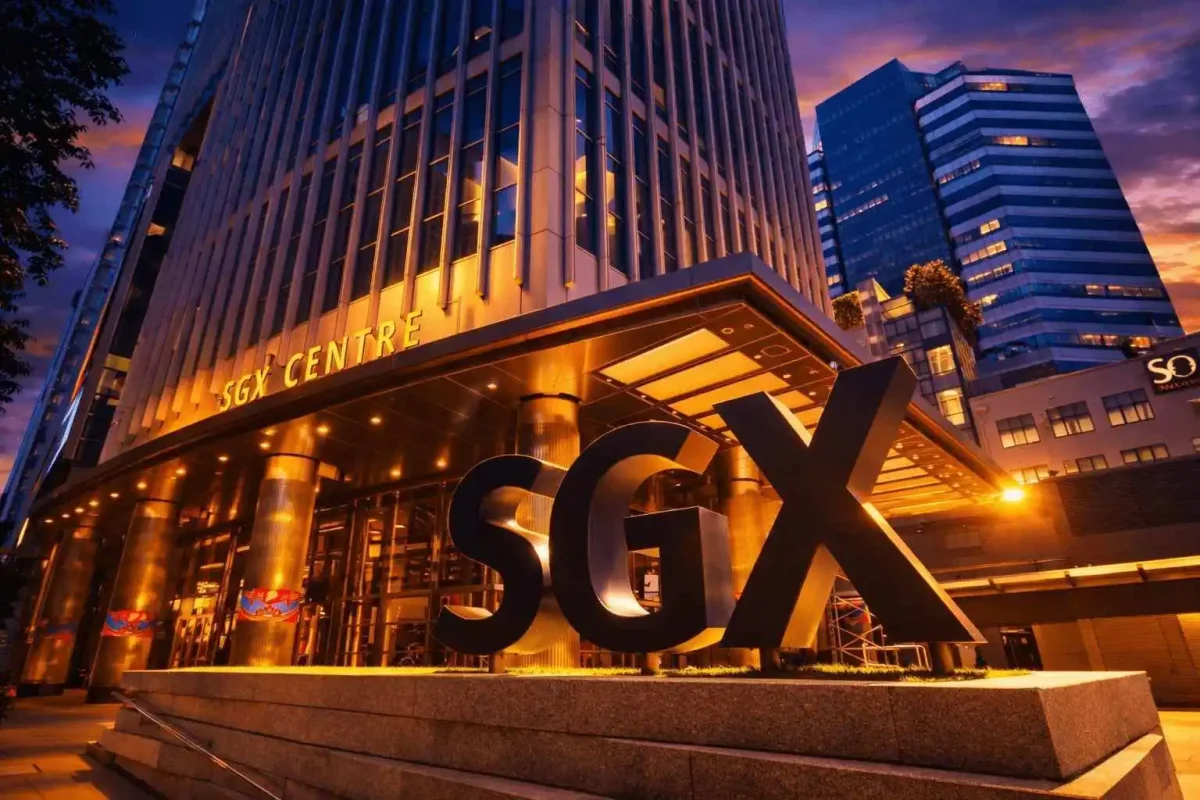
Singapore's equity market faced significant pressure on Monday, March 9, 2026, as the Straits Times Index (STI) closed sharply lower. The benchmark fell 2.3% to finish at 4,736.98, after touching an intraday low of 4,697.52 during the afternoon session. The sell-off was part of a broader regional downturn fueled by a dramatic surge in crude oil prices.
Oil Shock Drives Inflation Fears
The primary catalyst for the market weakness was a substantial spike in oil prices, with Brent crude futures soaring to a peak of $119.50 per barrel. This represented a gain of approximately 25% at one point, reigniting significant concerns over persistent inflation. The sharp move prompted investors to reassess the timeline for monetary policy easing, pushing expectations for the next U.S. Federal Reserve interest rate cut from mid-year back to September.
Regional Markets Tumble
While Singapore's losses were notable, other major Asian markets experienced far steeper declines. South Korea's Kospi index plunged 8.0%, and Japan's Nikkei 225 dropped 6.5% by midday. Hong Kong's Hang Seng Index also retreated, falling 2.6%. The STI's loss was trimmed slightly from an earlier decline of 2.7%, but the overall sentiment remained deeply negative across the region.
Sector Performance: Banks and Travel Hit Hard
The selling pressure was concentrated in specific sectors. Banking stocks, which are heavily weighted on the STI, were among the biggest decliners. By late afternoon, DBS Group Holdings saw its shares fall 1.3%. In earlier trading, the losses were more pronounced, with DBS, Oversea-Chinese Banking Corporation (OCBC), and United Overseas Bank (UOB) down 2.0%, 2.6%, and 2.2%, respectively.
Travel-related equities also suffered heavily. Singapore Airlines dropped 3.0%, mirroring pressure on carriers across Asia. The sector is grappling with the dual headwinds of skyrocketing jet fuel costs and ongoing airspace disruptions in the Middle East, which are compounding existing operational uncertainties.
Oil & Gas Stocks Rally
In a stark contrast, shares of companies linked to the oil and gas sector rallied strongly as traders positioned for gains from higher crude prices. Rex International Holding climbed 10.5%, while RH PetroGas surged an impressive 28.6% by midday, highlighting the divergent market performance driven by the commodity shock.
Analyst Commentary on the Crisis
Market observers highlighted the geopolitical dimensions of the price surge. Vasu Menon, Managing Director of Investment Strategy at OCBC, noted, "Upward pressure on prices isn't going anywhere unless oil starts moving again through the Strait of Hormuz and we see some calm return to the region." For the aviation sector, independent analyst Brendan Sobie pointed out that the crisis arrived during a period already marked by a "high level of uncertainty."
The backdrop of the sell-off includes growing fears of stagflation, where economic growth slows while prices continue to rise. The oil price jump has directly altered interest rate expectations, signaling that investors believe inflationary pressures could prove stickier if supply constraints persist.
Policy Responses and Outlook
There is potential for government intervention to mitigate the energy shock. Finance chiefs from the Group of Seven (G7) nations are reportedly discussing a coordinated release of emergency oil stockpiles. However, analysts like Muyu Xu, a senior oil analyst at Kpler, warn that prices are facing a "perfect storm" due to output cuts in the Gulf and the continued closure of the critical Strait of Hormuz shipping route.
The STI had closed the previous Friday at 4,848.25. FTSE Russell recently concluded its March quarterly review, leaving the index's 30 constituents unchanged. With that event passed, market focus has squarely returned to the triple threats of volatile oil prices, shifting central bank policy expectations, and the overall level of risk appetite among investors in the Asia-Pacific region.