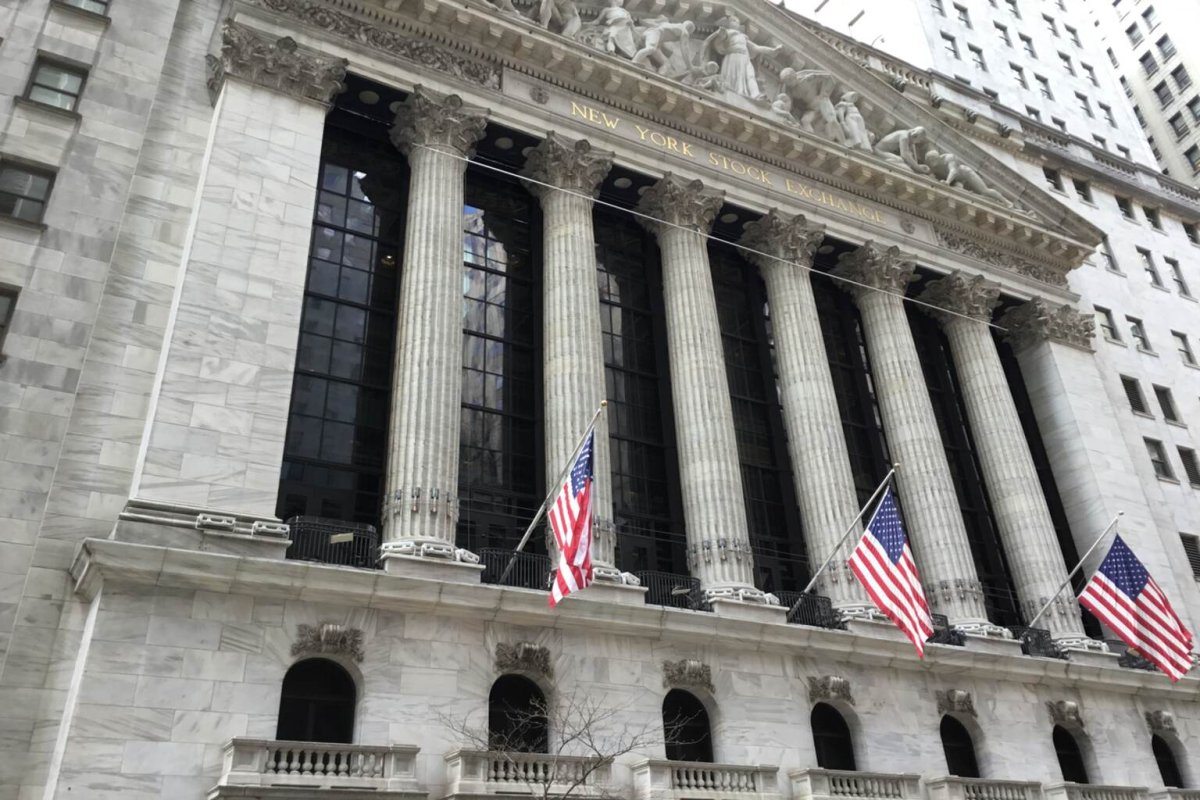
U.S. equities staged a robust recovery on Thursday as two key market pressures eased simultaneously: the 10-year Treasury yield slipped back under the 5% threshold, and crude oil prices declined. The relief rally was led by technology and growth stocks, with the Nasdaq Composite surging 1.66% to 26,408.81 by mid-morning. The S&P 500 climbed 1.03% to 7,629.22, while the Dow Jones Industrial Average added 0.50% to 51,720.77.
The market's turnaround comes after a volatile session on Wednesday, when the Federal Reserve announced its first interest rate hike since 2023. The central bank raised the federal funds target by 25 basis points to a range of 3.75%-4.00%, a decision that was unanimous. Despite the hawkish move, investors focused on the subsequent easing in financial conditions, rather than the Fed's forward guidance.
Bond and Oil Dynamics Drive the Rally
The drop in the 10-year Treasury yield to 4.947% by 10:21 a.m. ET, down 5.9 basis points from Wednesday's close of 5.006%, was a critical catalyst. Lower long-term yields increase the present value of future earnings, a boost for growth-oriented sectors like technology. Concurrently, West Texas Intermediate crude fell 1.86% to $100.52 per barrel, easing inflationary pressures that could otherwise prompt more aggressive Fed tightening.
This combination is particularly beneficial for the Nasdaq, which is heavily weighted towards companies with long-duration cash flows. The index's 430-point advance outpaced the Dow's modest recovery, which only regained a fraction of its 631-point decline from the previous session. The divergence highlights that the rally is concentrated in rate-sensitive areas, not a broad-based repricing.
Narrow Foundation for the Relief Trade
Despite the positive momentum, market analysts caution that the foundation for the rally remains narrow. A 10-year yield at 4.947% still represents a high discount rate for richly valued equities, and oil at $100 per barrel continues to impose costs on consumers and businesses. The sustainability of Thursday's gains depends on further declines in both metrics.
If the 10-year yield moves back above 5% or oil prices spike again, the supports underpinning the Nasdaq's outperformance would be removed. The Dow's relatively smaller gain underscores that this is not a uniform market advance but rather a sector-specific reaction to falling rates.
Market Breadth and Fed Outlook
Investors are closely watching the Nasdaq-Dow spread into the close, as well as the 10-year's ability to stay below 5% and WTI's hold under Wednesday's settlement. These indicators will determine whether Thursday's move represents a durable easing in financial conditions or a one-day reversal following the anticipated rate increase.
The Fed's next policy decision is scheduled for October 28, following a two-day Federal Open Market Committee meeting. In the interim, incoming inflation data and energy price trends will be pivotal in shaping market expectations. The central bank's latest projections suggest a median year-end rate of 4.1%, implying another hike if the economy follows policymakers' forecast.
While Thursday's rally offers a respite, the underlying challenges of elevated rates and persistent inflation remain. The market's ability to build on this momentum will depend on evidence that price pressures are moderating and that the Fed can achieve a soft landing without further destabilizing financial markets.