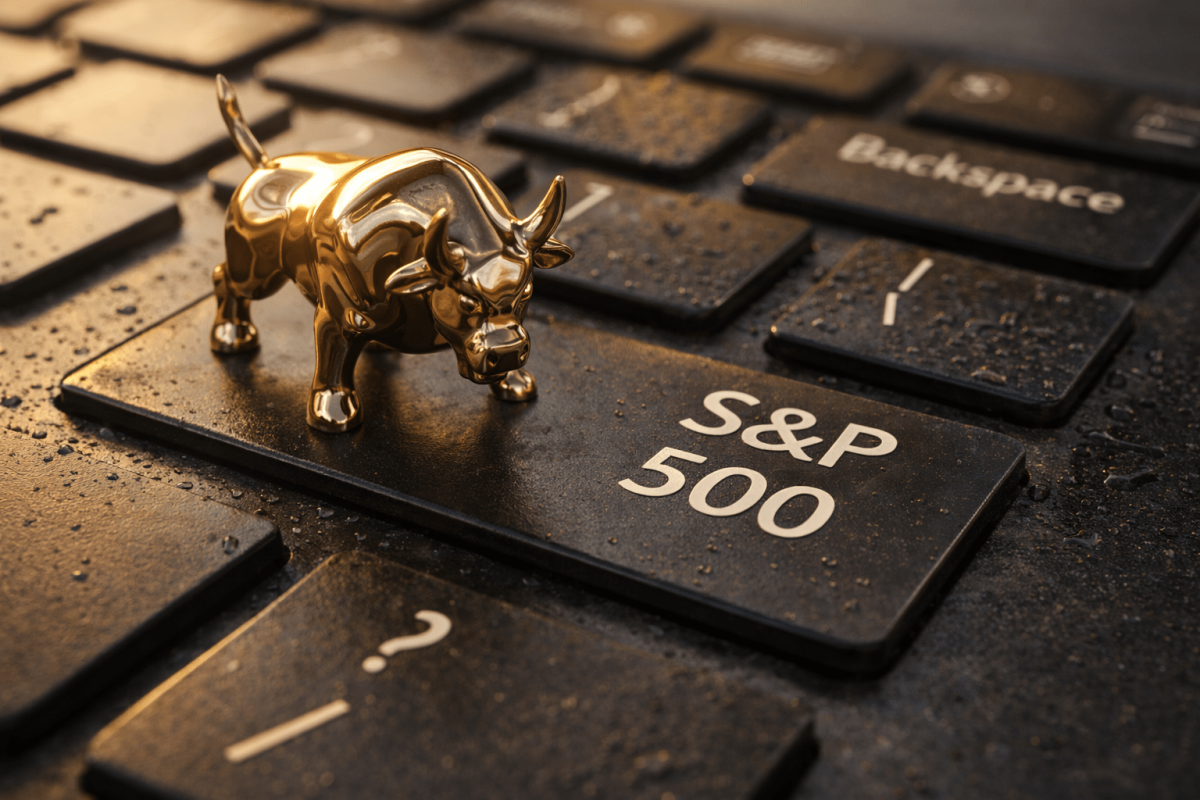
U.S. equity markets staged a broad rally on Tuesday, April 14, 2026, lifting the S&P 500 to within striking distance of its record closing high from January. Investor sentiment improved significantly on two key fronts: a potential de-escalation of Middle East tensions and a favorable reading on wholesale inflation.
Geopolitical Shift Fuels Risk-On Trade
The primary catalyst was a shift in geopolitical rhetoric. After recent moves to blockade Iranian ports heightened fears of a prolonged energy shock, President Donald Trump indicated that talks with Tehran could resume within two days in Pakistan. This revived market hopes for a diplomatic resolution that could lead to the reopening of the Strait of Hormuz, a critical chokepoint for global oil shipments. The prospect sent crude prices lower, easing concerns about persistent cost pressures on the economy.
Inflation Data Provides Tailwind
Supporting the rally was data showing a moderation in price pressures at the wholesale level. The Producer Price Index (PPI) for March increased by 0.5%, notably below the 1.1% rise forecast by economists in a Reuters poll. The breakdown showed goods prices rising 1.6% while services prices were flat. This softer print helped alleviate some investor anxiety about the Federal Reserve's potential policy path.
Corporate Earnings Deliver Strength
A robust start to the earnings season provided the third pillar for the market advance. Financial giants reported standout results. BlackRock announced first-quarter net inflows of $130 billion, driven by record demand for its exchange-traded funds. Citigroup posted its highest quarterly revenue in a decade, fueled by jumps in trading and investment banking fees. JPMorgan also reported record markets revenue of $11.6 billion, though its share price edged lower on the day.
Market participants described a palpable fear of missing out on the rebound. Burns McKinney of NFJ Investment Group noted investors were keen not to "miss the rebound," while Karl Schamotta, a strategist at Corpay, observed the Trump administration appeared to be seeking an "exit ramp" in its dealings with Tehran.
Global Markets and Cautious Outlook
The relief rally extended beyond U.S. borders. Europe's STOXX 600 index rose 0.99%, and London's FTSE 100 gained 0.25%. Travel and leisure shares benefited from the drop in oil, while energy giants BP and Shell declined alongside crude.
Despite the day's optimism, the broader economic backdrop remains fragile. The International Monetary Fund (IMF) cut its 2026 global growth forecast to 3.1%, warning that persistent energy disruptions could lead to an even weaker scenario. Its reference case sees global inflation at 4.4% for the year.
Corporate leaders struck a balance between confidence and caution. Citigroup CEO Jane Fraser called the quarter an "exceptionally strong start to 2026." BlackRock CEO Larry Fink said the asset manager experienced one of its strongest starts to a year ever, with clients continuing to allocate to ETFs and private markets.
Valuation Concerns and Forward Look
The sustainability of the rally hinges on the assumption that the oil price shock will fade quickly. Brad Conger, Chief Investment Officer at Hirtle Callaghan, warned of "a lot of complacency" in markets, noting that a diplomatic off-ramp is already priced in. He cautioned that if crude prices remain elevated and bond yields continue climbing, equity valuations could face renewed pressure.
Investors now turn their attention to Wednesday, April 15, for earnings from Bank of America and Morgan Stanley, further commentary from Federal Reserve officials, and any new developments from the Middle East. On Tuesday, the communication services sector led the S&P 500's gains. The divergent performance of financials—with Citigroup rising and Wells Fargo falling—served as a reminder that stock-specific factors are regaining importance even in a market still heavily influenced by geopolitics.