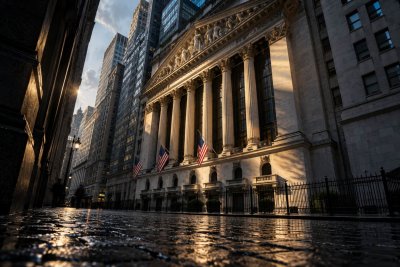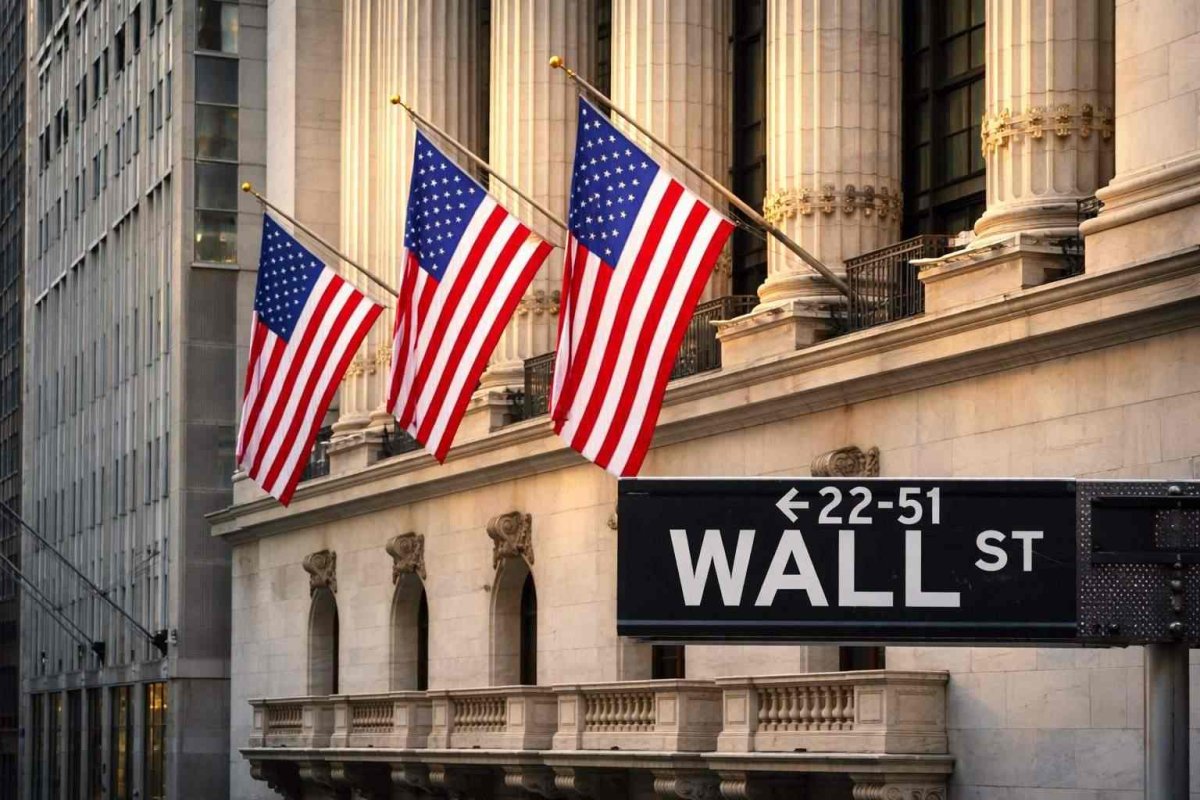
U.S. equity markets opened the week with significant losses on Monday, March 9, 2026, as a dual shock from soaring energy prices and disappointing employment figures rattled investor confidence. By late morning Eastern Time, the Dow Jones Industrial Average, S&P 500, and Nasdaq Composite were each down approximately 1.3%.
Geopolitical Tensions Drive Oil Higher
The immediate catalyst for the sell-off was a sharp spike in crude oil prices, with Brent crude futures briefly touching $119.50 per barrel and U.S. West Texas Intermediate crude reaching $119.48. These levels marked the highest point for oil since mid-2022. The surge followed geopolitical developments in the Middle East, including Iran's appointment of Mojtaba Khamenei as supreme leader. Comments from former President Donald Trump, who dismissed the prospect of talks with Iran and characterized the oil price increase as "a very small price to pay," further dampened hopes for a swift resolution, leading traders to price in a prolonged disruption to energy supplies.
Weak Jobs Data Amplifies Economic Fears
The oil shock was compounded by unexpectedly weak labor market data released the previous Friday. The U.S. Labor Department reported that employers cut 92,000 jobs in February, pushing the unemployment rate up to 4.4%. This negative surprise has stoked fears of stagflation—a toxic economic environment characterized by slowing growth and persistent high inflation. Investors, already nervous about the growth outlook, found themselves less able to absorb the additional pressure from rising energy costs.
Sector Performance and Global Ripples
The market reaction was highly sector-specific. Industries sensitive to fuel costs and consumer discretionary spending bore the brunt of the selling. The S&P 500 Airlines index plummeted over 4%. Cruise operators were hit even harder, with Carnival (CCL) sliding 7.3% and Royal Caribbean (RCL) falling 6.3%. In a stark contrast, the energy sector was the sole gainer within the S&P 500. The sell-off was not confined to Wall Street; European and Asian markets also fell sharply. Europe's STOXX 600 index declined 1.76%, Canada's TSX dropped 1.25%, and Japan's Nikkei closed down 5.2% as markets reliant on imported energy suffered.
Central Bank Expectations in Flux
The new economic landscape is forcing a rapid reassessment of monetary policy expectations. Where financial markets had previously anticipated a Federal Reserve interest rate cut as early as June, the timeline has now shifted toward September or October. In Europe, rate markets have completely reversed, now reflecting the potential for hikes rather than cuts, particularly if elevated energy prices persist.
Market Sentiment and Analyst Commentary
Analysts noted a palpable shift in market psychology. "Higher oil prices are playing into fears that inflation could take off to the upside once again," said David Morrison, a senior market analyst at Trade Nation. Helima Croft of RBC Capital Markets highlighted the prevailing uncertainty, noting the difficulty in assessing whether the geopolitical situation would lead to a conflict lasting weeks or months. Broader stress signals were evident across financial markets: the U.S. dollar strengthened to a November high, the CBOE Volatility Index (VIX) jumped to its highest level since April, and prices for credit default insurance in Europe continued to rise.
Potential Outcomes and Policy Responses
The immediate focus for markets is the security of oil shipments through the Strait of Hormuz, a critical chokepoint handling about one-fifth of global oil and liquefied natural gas trade. Policymakers, wary of a repeat of the 2022 energy crisis, are actively discussing responses. The Group of Seven nations and Saudi Arabia held talks on mitigating the price surge, though a G7 official indicated a consensus to hold off on tapping emergency petroleum reserves for the time being. The ultimate market path hinges on whether alternative shipping routes can compensate and if strategic reserves are eventually released. Should flows be disrupted, the consequences could range from higher consumer gasoline prices to more aggressive central bank tightening, with airlines, cruise lines, and small-cap stocks facing amplified losses.
Chris Turner, head of global markets at ING, captured the mood succinctly: "A stagflationary shock was not part of the plan." Analysts at Goldman Sachs warned that a 1-percentage-point drop in economic growth could translate to as much as a 4% decline in S&P 500 earnings, underscoring the high stakes for corporate profits in the current environment.