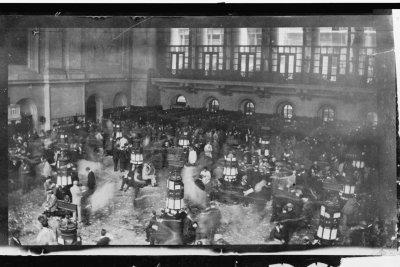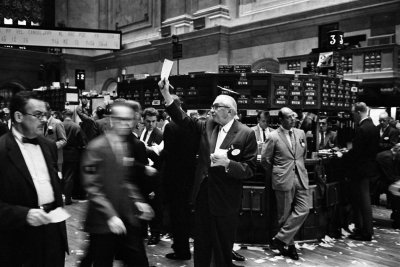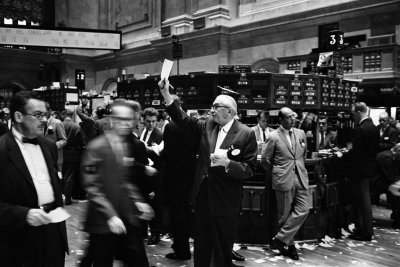
Wall Street experienced a sharp reversal on Friday, as a surprisingly strong May jobs report dashed hopes for near-term interest rate cuts and sent major indices into a tailspin. The Dow Jones Industrial Average closed near 50,880, down roughly 1.3% from Thursday's record close, while the S&P 500 shed about 2.5% and the Nasdaq Composite plummeted nearly 4%.
The selloff was led by the technology sector, particularly semiconductor stocks. The Philadelphia Semiconductor Index plunged over 8%, with heavyweights like Nvidia, Broadcom, and Micron suffering some of the steepest losses. Investors fled high-growth names as bond yields surged, making future earnings less attractive.
According to the Labor Department, the U.S. economy added 172,000 jobs in May, far exceeding the 85,000 forecast by economists polled by Reuters. The unemployment rate held steady at 4.3%, and revisions to March and April added another 93,000 jobs. The data reinforced the view that the labor market remains too hot for the Federal Reserve to consider easing monetary policy anytime soon.
"Any hopes of a Fed rate cut have effectively been eliminated," said Ronald Temple, chief market strategist at Lazard, in comments reported by the Associated Press. Peter Cardillo, chief market economist at Spartan Capital Securities, called the report "a good report" but warned it could push the Fed toward another rate hike. Tom Porcelli, chief economist at Wells Fargo, noted the data "keeps the wind behind the Fed hawks."
The bond market reacted swiftly, with Treasury yields moving higher. Higher yields draw capital away from equities, particularly expensive tech stocks, and reduce the present value of future profits. The Nasdaq bore the brunt of the selling as growth and chip stocks were hit hardest.
Beyond the macro data, individual stocks also moved on company news. Lululemon Athletica shares dropped after the retailer cut its annual profit outlook, citing weaker revenue trends and the need for deeper seasonal markdowns. In contrast, Cooper Companies gained after reporting better-than-expected quarterly profit and revenue, driven by strength in its contact lens business.
Defensive sectors such as consumer staples and health care attracted some buying as investors rotated out of high-priced growth names. The Dow, while down, outperformed the Nasdaq, though the decline was still notable given it came less than a day after the blue-chip index set a new record close.
The outlook remains uncertain. A strong labor market supports corporate earnings, but the risk of persistently high interest rates and elevated energy costs could pressure consumers and push the Fed toward further tightening. That scenario would likely weigh on expensive tech stocks and could pull the Dow lower, even without an immediate economic downturn.
The Federal Open Market Committee is scheduled to meet on June 16-17 and will release updated economic projections. Traders now have less than two weeks to assess whether Friday's selloff is a temporary pause in a broader rally or the beginning of a more significant correction.