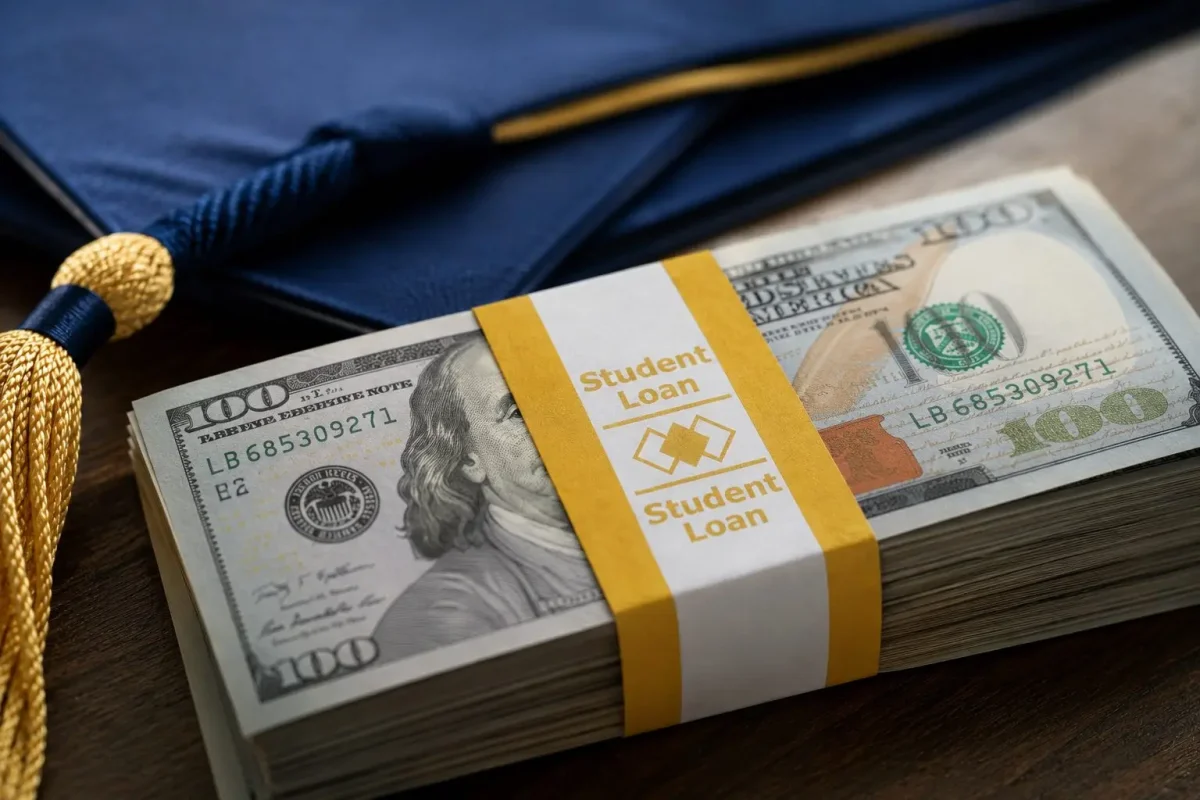
The U.S. Education Department has announced a temporary reduction in the automatic payment discount for federal student loans, effective July 1, 2026. Borrowers enrolled in autopay will receive a 1 percentage-point interest rate cut through June 30, 2028. This move comes as new federal loan rates for the 2026-27 academic year rise to between 6.52% and 9.07%, depending on loan type.
Eligibility and Enrollment
To qualify, borrowers must have an active autopay enrollment by September 30, 2026. The discount applies to Direct Loans issued after July 1, 2012. Borrowers in default must first become current, and those still enrolled in the defunct SAVE plan must choose a legal repayment option. The department estimates the two-year discount will cost approximately $6 billion.
New Loan Rates
Federal loan rates for the upcoming school year are set based on the 4.468% 10-year Treasury yield. Undergraduate Direct Loans will carry a fixed rate of 6.52%, graduate Direct Loans 8.07%, and PLUS loans 9.07%. These rates remain fixed for the life of the loan. The Education Department aims to boost repayment rates, as autopay enrollment has fallen to 40% from over 80% before the pandemic.
Repayment Assistance Plan
Starting July 1, the department will introduce the Repayment Assistance Plan (RAP), which ties monthly payments to income and household size. Additionally, the Tiered Standard plan allows borrowers to pay off loans over 10, 15, 20, or 25 years based on their balance. Under RAP, unpaid monthly interest is forgiven for borrowers who pay on time, addressing the issue of "runaway interest."
Market Context
The New York Federal Reserve reports total student loan balances at $1.66 trillion as of Q1 2026, with 10.3% at least 90 days past due. The temporary discount is smaller than it appears: borrowers already receiving a 0.25-point standard autopay discount will see an additional 0.75-point reduction. For a $10,000 loan, the 1-point cut saves about $100 annually before amortization, or roughly $200 over two years. A borrower with $50,000 in graduate loans at 7.94% would pay about $23 less per month for two years.
Implications
The policy is more a behavioral incentive than comprehensive debt relief. It benefits borrowers with stable income and bank accounts, while the department avoids the cost of broad balance forgiveness. Private lenders typically offer autopay discounts of 0.25% to 0.50%, though some like SoFi add loyalty perks. The federal discount is larger but tied to repayment regulations, not credit scores.
Execution risks remain. Borrowers in SAVE must switch plans, and defaulted loans need resolution. Households with limited cash may avoid autopay despite the lower rate. Betsy Mayotte, president of the Institute of Student Loan Advisors, advises borrowers to evaluate which plan fits their long-term finances. The policy leaves underlying affordability issues unresolved, as new rates rise and borrowing caps shift. The key challenge is whether servicers can manage the July reset without causing confusion.