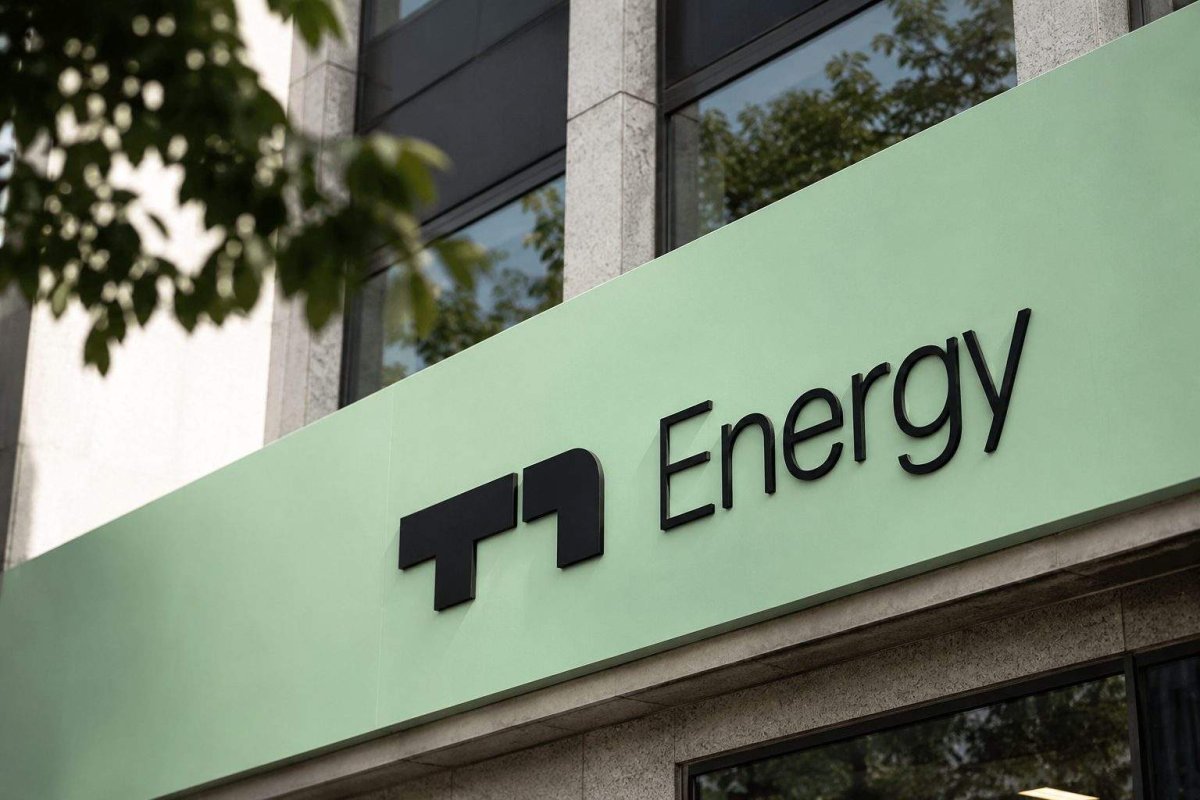
T1 Energy saw its stock climb $2.61 to reach $10.69 in Tuesday afternoon trading, marking another strong session for the solar manufacturer. The rally came as investors continued to focus on the company's potential eligibility for federal clean-energy tax credits, a key driver for the sector. Trading volume exceeded 47 million shares, pushing the company's market capitalization to approximately $1.5 billion.
The stock's performance comes amid a broader debate over which solar firms qualify for subsidies under the Foreign Entity of Concern (FEOC) rules. These regulations limit tax credits for companies with ties to China or other flagged nations. T1 Energy has drawn attention for its supply chain links to China, which some analysts say could complicate its access to the Section 45X advanced-manufacturing production tax credit.
In its first-quarter earnings report, T1 Energy posted net sales of $177.6 million, a significant increase from $53.5 million a year earlier, with the vast majority classified as related-party transactions. The company reported net income from continuing operations of $3.9 million, while adjusted EBITDA reached $9.1 million. CEO Dan Barcelo emphasized the company's focus on "operating profitably at G1_Dallas" and securing funding for its G2_Austin facility.
T1 Energy still needs roughly $225 million to complete the first phase of its planned 2.1 GW solar cell factory in Austin, after raising $174.7 million through a convertible-note sale in April. The company maintained its 2026 production outlook for its Dallas facility, targeting 3.1 GW to 4.2 GW.
The stock's recent surge follows a 42.5% weekly gain reported Monday. A regulatory filing on May 18 revealed that Situational Awareness LP held 10 million T1 shares, valued at $43.9 million at the end of the first quarter, drawing attention from traders focused on power, U.S. manufacturing, and AI-related infrastructure themes.
Short seller Fuzzy Panda Research issued a bearish report on May 19, stating it was betting against T1 Energy and describing the company as more "China Hustle" than AI infrastructure. The firm alleged that T1's intellectual property arrangement with Evervolt in Singapore did not resolve FEOC risks and accused the company of inflating its first-quarter profits by counting $41.4 million in tax credits it may not receive.
Roth Capital Partners analyst Philip Shen countered the short-seller claims, calling the report misleading and viewing the subsequent stock decline as a buying opportunity. According to Sherwood News, Shen considers T1 Energy "a model for what the Trump administration may want" from a U.S. manufacturer that brings advanced technology and capacity to the country.
The competitive landscape is shifting rapidly. Reuters reported earlier this month that Sunrun has reduced its approved suppliers to non-Chinese manufacturers like Qcells, while Renewable Properties has moved most of its sourcing to First Solar to avoid questions about Chinese links. These developments underscore the uncertainty hanging over T1 Energy's rally.
Despite the recent gains, T1 Energy faces significant risks. The company's own warnings highlight challenges in qualifying for Section 45X credits, meeting plant construction targets, managing supply chains, and securing adequate funding. Any setbacks in these areas could quickly reverse the stock's upward momentum.