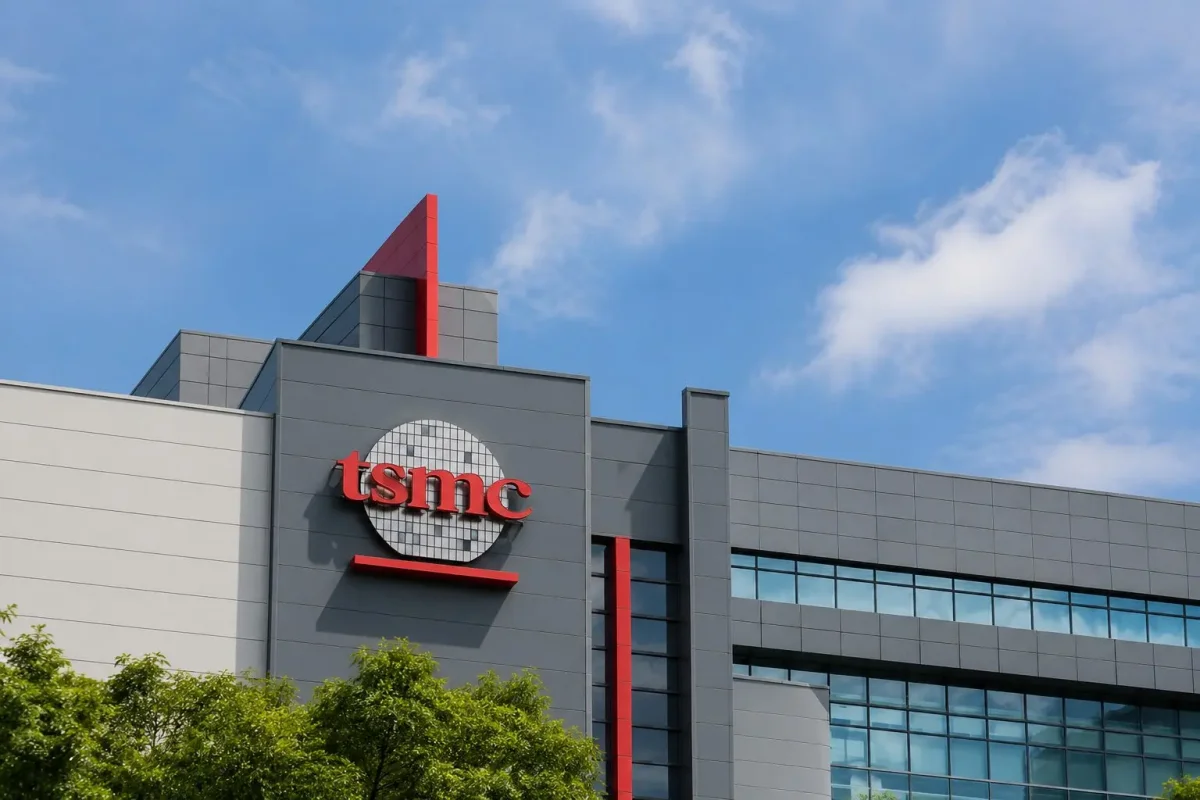
Taiwan's equity market has overtaken India's in total value, reaching $4.95 trillion as of May 25, according to Bloomberg data. The milestone was driven largely by the relentless rally in Taiwan Semiconductor Manufacturing Co. (TSMC), whose shares have surged 49% year-to-date on robust demand for its advanced chips powering artificial intelligence systems. TSMC now accounts for more than 42% of Taiwan's main TAIEX index, an unusually high concentration for a single stock.
India's market value fell to $4.92 trillion during the same period, pressured by rising oil prices and supply chain disruptions linked to escalating tensions in the Middle East. Brent crude climbed 3.3% to $99.35 per barrel after new U.S. strikes on Iran, denting hopes for a quick peace deal and hitting India's fuel import costs. India, the world's third-largest oil importer, has seen its state fuel retailers raise diesel and petrol prices four times this month to offset higher crude costs, adding to inflationary pressures on the economy.
AI Trade Expands Beyond TSMC
The AI-driven rally is broadening, with investors rotating into other chipmakers and hardware stocks. MediaTek and Samsung Electronics have outperformed TSMC this year, while South Korea's KOSPI index topped 7,000 this month as Samsung reached a $1 trillion market cap. Together, Samsung and SK Hynix now represent 44% of the KOSPI's total value, according to Reuters. Jason Hsu, CIO at Rayliant Global Advisors, described this as a 'structural diversification away from TSMC,' as investors seek exposure to other AI beneficiaries.
Brian Ooi, portfolio manager at Swiss-Asia Financial Services, noted that the rise of agentic AI—systems requiring less human oversight—is driving demand for standard CPUs used in data centers, benefiting companies like MediaTek and Samsung. This shift is expanding the AI trade beyond TSMC to memory-chip makers such as SK Hynix and Samsung, which are at the core of the AI memory-chip boom.
Regulatory Boost in Taiwan
Taiwan's financial regulator in April lifted the cap on domestic fund investments in a single stock from 10% to 25%, provided the company's exchange weighting exceeds 10%. Only TSMC qualifies under this rule. JPMorgan Chase estimated that the move could bring more than $6 billion into Taiwan's market, further fueling the rally.
India's Oil Price Headwinds
India's stock market has been underperforming due to its heavy reliance on oil imports. The Nifty 50 and Sensex both fell on Tuesday after the rise in crude prices, which hurt hopes for a quick resolution to the Iran conflict. Major Indian indexes are down significantly this year, and the higher energy costs are now hitting consumers at the pump, adding to economic strain.
Concentration Risks Loom
The heavy concentration in TSMC and its suppliers poses a significant risk to Taiwan's market. If AI spending slows or investors pull back from chip stocks, the market could face sharp declines. Seo Sang-young at Mirae Asset Securities warned that while strong AI-chip demand might sustain Korea's rally, falling demand, inflation, and weak growth from the Iran war could flip markets lower. The same dynamic applies to other hardware-driven markets.
On Tuesday, the TAIEX hit a session high of 44,097.63 before closing down 119.03 points at 43,525.37, as traders took profits. TSMC dropped 1.73% to NT$2,270. The question now is whether the AI hardware cycle can maintain its pace to support the bets investors have made.