Target Corporation (NYSE: TGT) experienced a modest rebound in its stock price on Wednesday, climbing 0.6% to $164.39, following a sharp decline in the previous session. The recovery comes after a $25 Halloween costume sparked widespread criticism, leading to a $2.9 billion erosion in market capitalization.
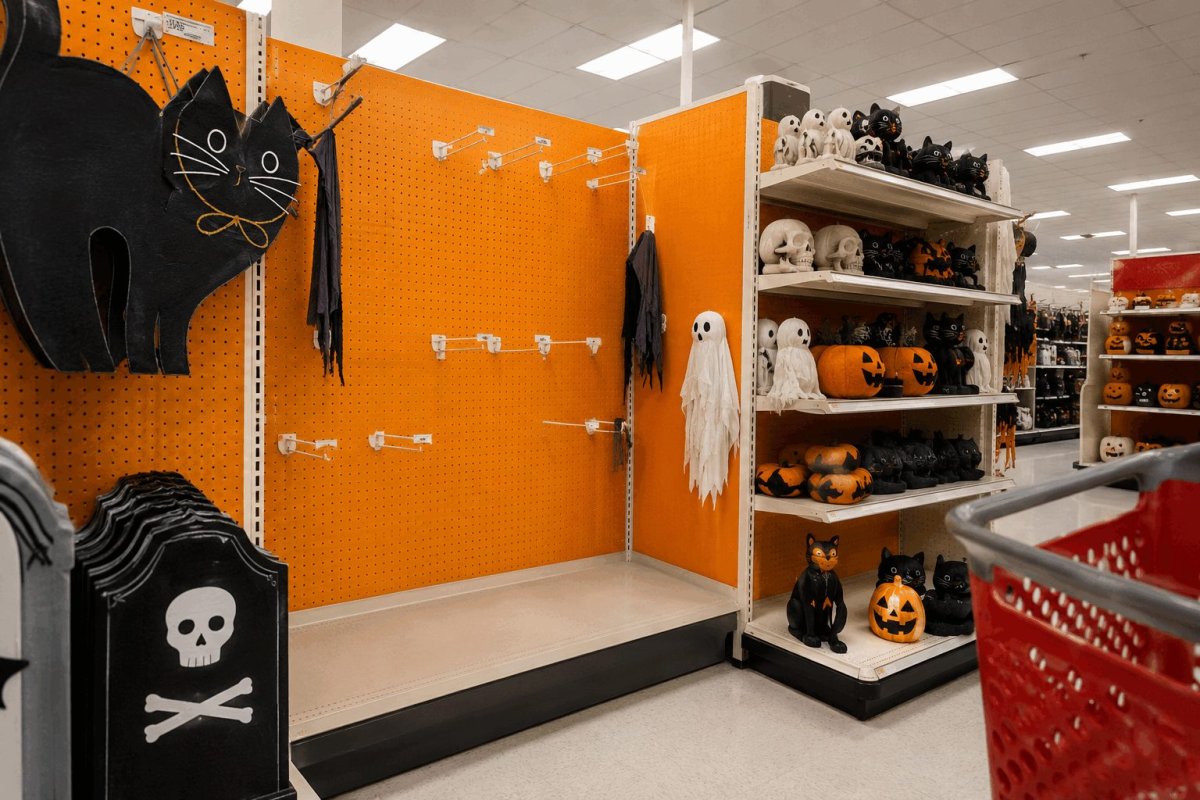
The controversy began when Target pulled a children's clown costume from its Hyde & Eek! Boutique line after critics argued its design resembled racist minstrel-show imagery. The retailer issued a formal apology and removed the product from shelves, but the damage to investor sentiment was immediate. On Tuesday, shares plummeted 3.78%, wiping out approximately $2.92 billion in equity value, calculated from a $6.42 drop in share price multiplied by the company's 454.19 million outstanding shares.
While the financial impact of the withdrawn costume is minimal in terms of direct costs, the episode underscores a broader risk for Target's business model. The company differentiates itself through distinctive design, frequent seasonal product updates, and an enhanced in-store experience. A misstep in product perception can undermine consumer trust and potentially affect foot traffic, even if it does not lead to significant recall expenses.
Target's latest earnings report highlights what is at stake. In the second quarter, sales rose 5.3% to $26.54 billion, with comparable traffic up 3.6% and digital comparable sales surging 8.7%. The company's "Fun 101" category, which includes seasonal and discretionary items, generated $3.89 billion in sales, a 10.6% increase year-over-year, representing 14.7% of total revenue. This segment is Target's fastest-growing major category, making product missteps particularly consequential.
Despite the recent volatility, Target's stock has performed well overall, gaining roughly 70% year-to-date before Tuesday's drop. It reached its highest level in nearly two years on Monday. However, the stock trades at a trailing earnings multiple of 17.0x, lower than competitors like Walmart (37.8x) and Costco (48.0x), suggesting investors have less confidence in Target's growth prospects.
Analysts are divided on the stock's future. According to Google Finance data, there are 12 buy ratings, 14 hold recommendations, and two sell calls, with an average price target of $165.96 — just 1% above Wednesday's price. This cautious outlook reflects concerns about potential ongoing merchandising missteps and their impact on store visits and comparable sales.
Target's operating margin for the second quarter was 9.6%, but excluding a $994 million tariff refund, the margin falls to approximately 5.9%. Management projects a full-year margin close to 6%, with the tariff refund contributing about 90 basis points. The market value lost in Tuesday's selloff was equivalent to 1.86 times the company's quarterly operating income (excluding the refund), highlighting how quickly investor sentiment can shift on perceived execution risks.
Looking ahead, the key risk is whether the costume controversy will lead to sustained boycott calls or reduced consumer traffic. A persistent decline in comparable sales would have far greater implications than the withdrawn product itself. Conversely, if Target can maintain steady foot traffic and continue expanding its Fun 101 category, the impact of this incident may be contained. Investors will be watching closely for any signs of lasting damage to the brand's reputation.