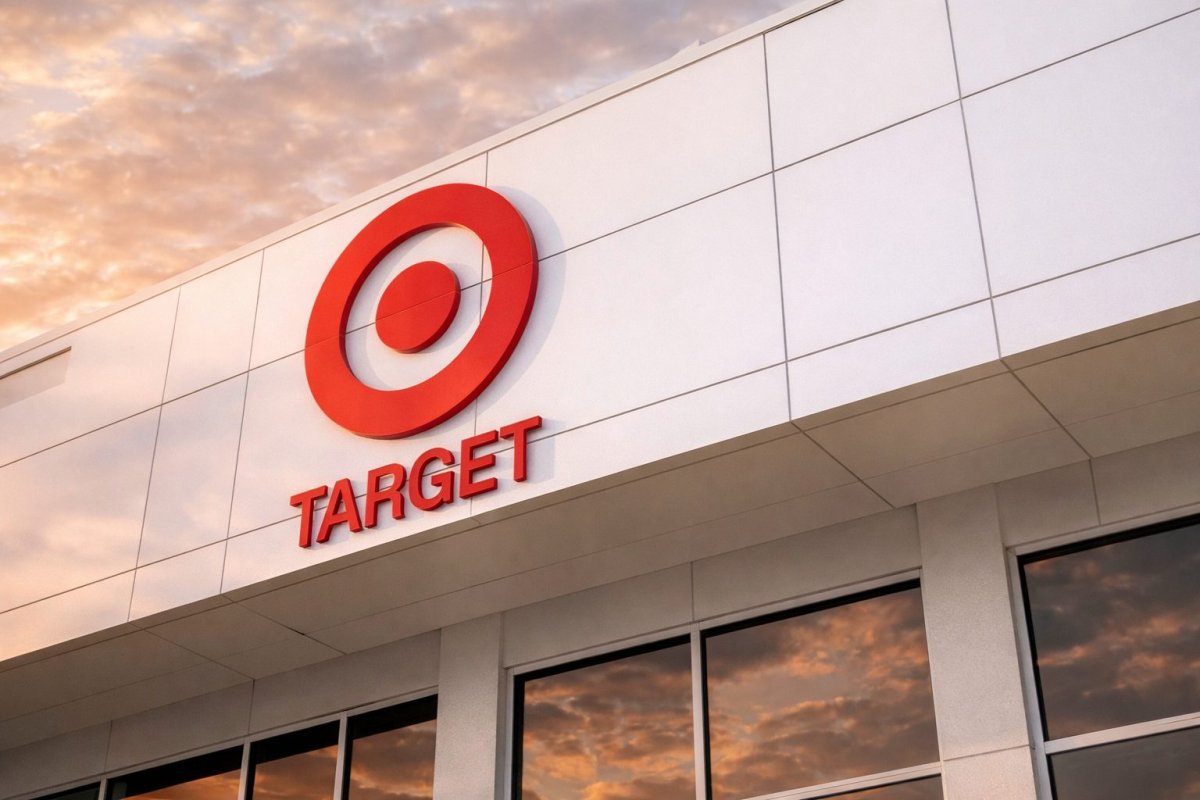
Target Corporation has outlined an aggressive $5 billion capital expenditure strategy for 2026, marking a significant increase in its investment plans as new CEO Michael Fiddelke charts a course to reinvigorate growth. The retailer will inject an additional $2 billion into its operations next year, focusing on store expansion, renovations, labor, and technology enhancements.
Strategic Investment Amid Challenging Climate
The substantial capital outlay arrives at a difficult period for the broader retail sector. Consumer spending has remained cautious, with shoppers prioritizing essentials while pulling back on discretionary categories like home goods and apparel—historically core strengths for Target. This shift has contributed to a persistent sales imbalance for the chain.
For the fourth quarter ended early 2026, Target reported net sales of $30.45 billion, a decline of 1.5% year-over-year. A more telling metric, comparable sales, which includes stores and digital channels open for at least 13 months, fell 2.5%. The results revealed a divergence between channels: in-store sales dropped 3.9%, while digital sales managed a 1.9% increase. Adjusted earnings per share for the quarter were $2.44.
Store Network Expansion and Operational Overhaul
The $5 billion capital budget will fund the opening of more than 30 new stores and the complete remodeling of over 130 existing locations in 2026. Beyond physical stores, the plan allocates hundreds of millions from a separate $1 billion increase in operating expenses toward store labor, employee training, and new artificial intelligence tools designed to identify consumer trends faster.
In a notable merchandising shift, Target will launch its own "Target Beauty Studio" concept at approximately 600 stores this fall. This initiative coincides with the conclusion of its shop-in-shop partnership with Ulta Beauty, which is set to wrap up in August. "This is a new chapter, and it's all about growth," CEO Fiddelke stated, framing the moves as a foundational reset.
Market Reaction and Analyst Sentiment
Investors responded positively to the long-term roadmap. Target shares surged nearly 7% in trading on March 3, 2026, reaching a one-year high of $120.84. The stock has climbed roughly 25% year-to-date, suggesting building confidence in the turnaround effort. This rally followed a 1.7% sales decline in fiscal 2025 and several quarters of disappointing performance.
Analysts acknowledged the strategic direction but emphasized execution risk. "After the guidance cut cycle Target went through, Fiddelke is smart to keep the bar low and let execution do the talking," noted Ethan Feller, stock strategist at Zacks Investment Research. Steven Shemesh, an analyst at RBC, pointed out that Target's management still needs to "convince the street" that its changes can effectively narrow the competitive gap with giants like Walmart and Amazon.
Forward Guidance and Underlying Challenges
For the full 2026 fiscal year, Target provided earnings guidance between $7.50 and $8.50 per share. It anticipates net sales growth "in a range around 2%." CEO Fiddelke highlighted a "healthy, positive sales increase" for February 2026, a potential early sign of momentum.
However, the path to recovery is fraught with challenges. The company's strategy hinges on cleaner stores, more curated product assortments, and faster order fulfillment to win back customers and prevent trading down to lower-priced competitors. These improvements, particularly the store remodels, could disrupt shopping experiences in the short term and pressure profitability. The critical question remains whether February's sales uptick is an anomaly or the start of a sustainable trend.
The retail landscape continues to evolve rapidly, and Target's billion-dollar bet represents a high-stakes attempt to adapt. Its success will depend on translating capital investment into superior customer experiences and operational efficiency, all while navigating persistent consumer budget constraints.