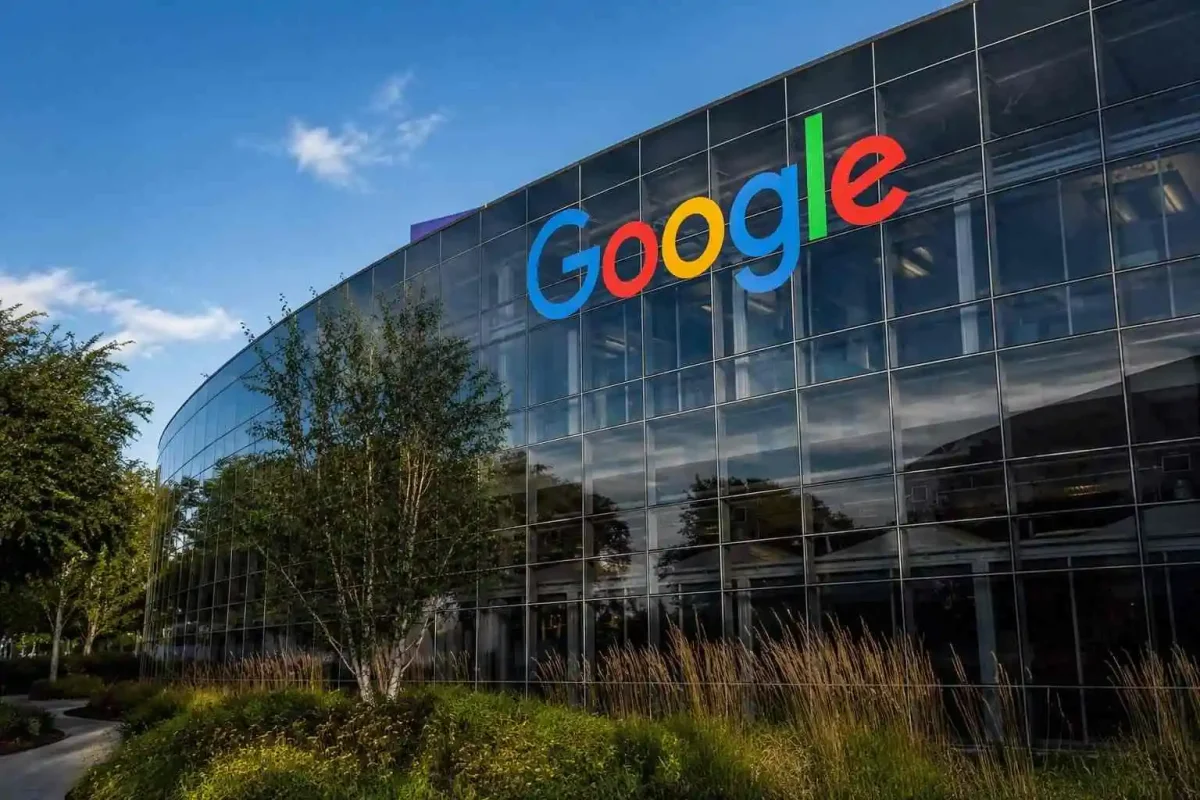
Alphabet Inc. (NASDAQ: GOOGL) saw its stock decline in pre-market trading Tuesday after the company revealed plans to raise $80 billion through a new equity offering, including a $10 billion investment from Berkshire Hathaway. The capital will be used to finance a significant expansion of artificial intelligence infrastructure. Class A shares were indicated at $366.55, down 2.6% from Monday's closing price of $376.37.
The decision marks a notable shift for Alphabet, which has historically relied on internal cash flow and debt to fund growth. By turning to equity financing, the company is signaling the immense capital requirements of the AI race, even as it risks diluting existing shareholders. The broader market showed resilience, with Dow futures slipping 0.4%, S&P 500 futures off 0.14%, and Nasdaq 100 futures nearly flat, according to Reuters. Both the S&P 500 and Nasdaq closed at record highs on Monday.
Alphabet's capital raise includes $30 billion in underwritten public offerings of common shares and mandatory convertible preferred stock, a hybrid security that pays dividends before converting to common equity. Additionally, the company has established a $40 billion at-the-market (ATM) program, allowing it to sell shares gradually into the market, beginning in the third quarter. Berkshire Hathaway will purchase $5 billion of Alphabet Class A shares at $351.81 and $5 billion of Class C shares at $348.20, both below Monday's close. While Berkshire's involvement is often seen as a vote of confidence, the influx of new shares still creates an overhang.
Steven Check, president and chief investment officer of Check Capital Management, noted that Berkshire's investment is generally a positive signal for the companies it backs. Bill Stone of Glenview Trust Company added that Berkshire's move suggests it believes Alphabet can achieve a reasonable return on its AI investments, despite the dilution. Alphabet attributed the higher capital expenditure to supply constraints rather than weak demand, stating that businesses and consumers are requesting more AI products than it can currently deliver. The company projected 2026 capital expenditures—covering data centers, chips, and servers—between $180 billion and $190 billion, with 2027 spending expected to be significantly higher.
Alphabet's core business continues to perform strongly. First-quarter revenue rose 22% year-over-year to $109.9 billion, with Google Cloud surging 63% to $20.0 billion and Search revenue up 19%. CEO Sundar Pichai remarked in April that AI work is 'lighting up every part of the business.' The broader tech industry is deeply engaged in the AI arms race, with Microsoft, Amazon, Meta, and Alphabet collectively projected to spend around $600 billion on AI in 2024, according to Reuters. Google is also promoting its custom tensor processing units (TPUs) as alternatives to Nvidia's dominant AI chips.
However, the dilution risk is clear: more shares mean each existing share represents a smaller ownership stake. Investors will be watching for tangible results from these massive investments. Bloomberg Intelligence analyst Mandeep Singh warned that capital spending could reach $300 billion next year, noting, 'There's only so much capital you can allocate.' Traders will assess whether Berkshire's support can offset the overhang, with the underwritten deals set to price after the New York session. Market participants are also awaiting U.S. job openings data and Federal Reserve remarks, which could influence rate expectations for expensive tech stocks.