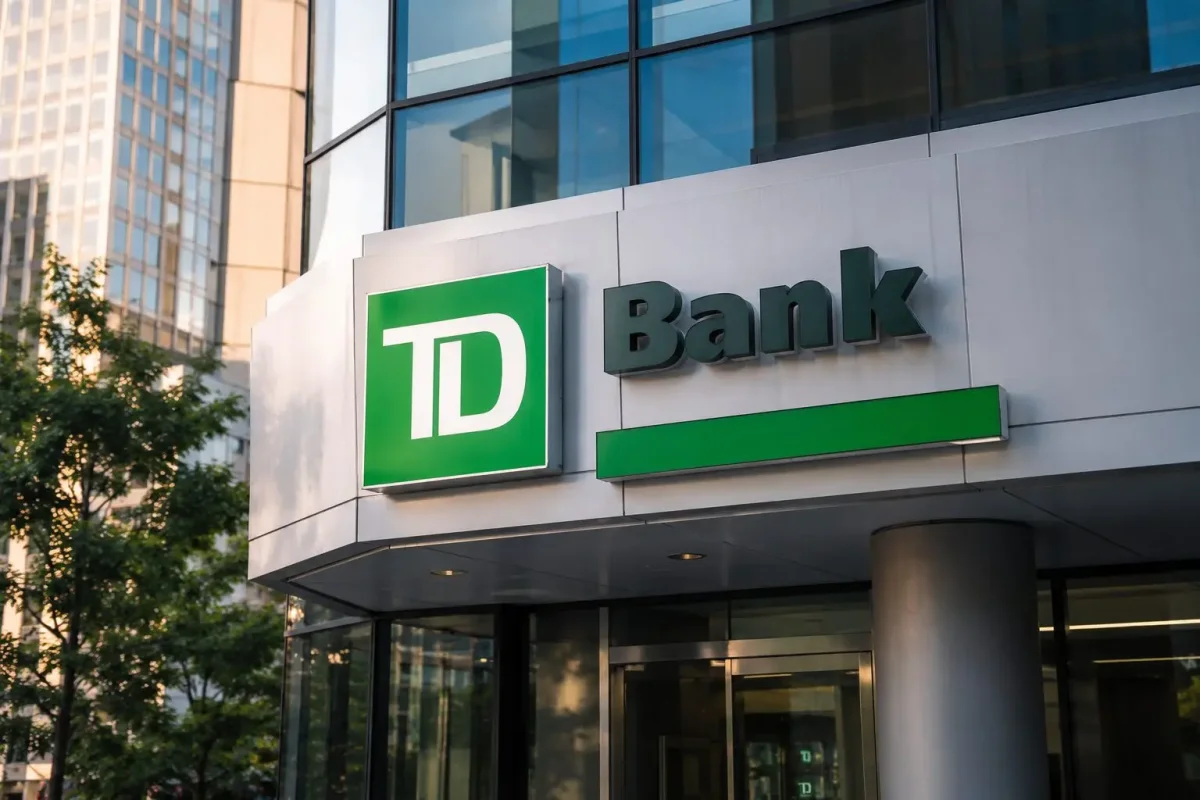
Toronto-Dominion Bank shares climbed to a fresh 52-week high on the Toronto Stock Exchange Friday, following a decision by Canada's banking regulator to reduce a key capital requirement for the country's largest lenders. The stock rose 0.44% to C$169.38 in late trading, after touching an intraday peak of C$170.66.
The Office of the Superintendent of Financial Institutions (OSFI) announced it was cutting the Domestic Stability Buffer (DSB) to 3.0% from 3.5% of risk-weighted assets, effective immediately. The DSB is an additional capital cushion that Canada's big banks must hold to absorb potential losses and maintain lending capacity during economic stress. Risk-weighted assets represent loans and other exposures adjusted for their risk levels.
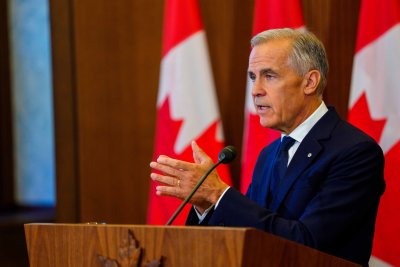
OSFI noted that the average Common Equity Tier 1 (CET1) ratio for the six largest Canadian banks stands at 13.5%, well above the new supervisory target of 11.0%. The regulator estimated that banks collectively hold a C$74 billion capital surplus, which could support up to C$673 billion in additional risk-weighted assets. Superintendent Peter Routledge stated, “The opportunities are there for the banks and we’re getting out of the way.”
The DSB cut applies to all six major banks—Royal Bank of Canada, TD, Bank of Montreal, Scotiabank, Canadian Imperial Bank of Commerce, and National Bank of Canada—so the benefit is industry-wide. However, TD stands to gain from the extra flexibility in its Canadian operations. The bank recently reported adjusted second-quarter earnings of C$4.2 billion, or C$2.38 per share, representing a 15% increase in net income and a 21% rise in earnings per share year-over-year. Its CET1 ratio stood at 14.3%.
Despite the positive regulatory development, TD continues to face significant headwinds from its U.S. operations. The bank is operating under an asset cap imposed by U.S. regulators following a 2024 settlement of anti-money-laundering probes, which cost over $3 billion. CEO Raymond Chun has emphasized that cleaning up these compliance issues remains the bank's top priority, even as management looks to deploy the newly freed capital into lending, share buybacks, or other balance-sheet initiatives.
The broader S&P/TSX Composite Index was little changed on Friday, as gains in energy stocks offset declines in gold miners amid Middle East tensions and a stronger U.S. dollar. TD's outperformance appeared driven by the bank-specific capital relief rather than a general market rally.
Competitive dynamics remain a key factor. With all major banks receiving the same regulatory break, TD must now demonstrate that it can utilize the extra capital more effectively than its peers. The bank's ability to deploy funds into loan growth or shareholder returns will be closely watched by investors.
The risk, however, is that the U.S. asset cap limits the growth potential of TD's American banking business. If cleanup costs escalate, regulatory delays persist, or loan demand softens, the immediate capital relief may not translate into near-term earnings gains. TD enters the new week with a stronger Canadian capital base, but the market remains focused on how management balances this advantage with the ongoing challenges across the border.