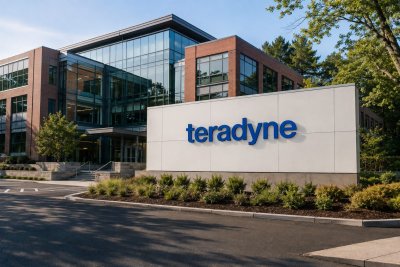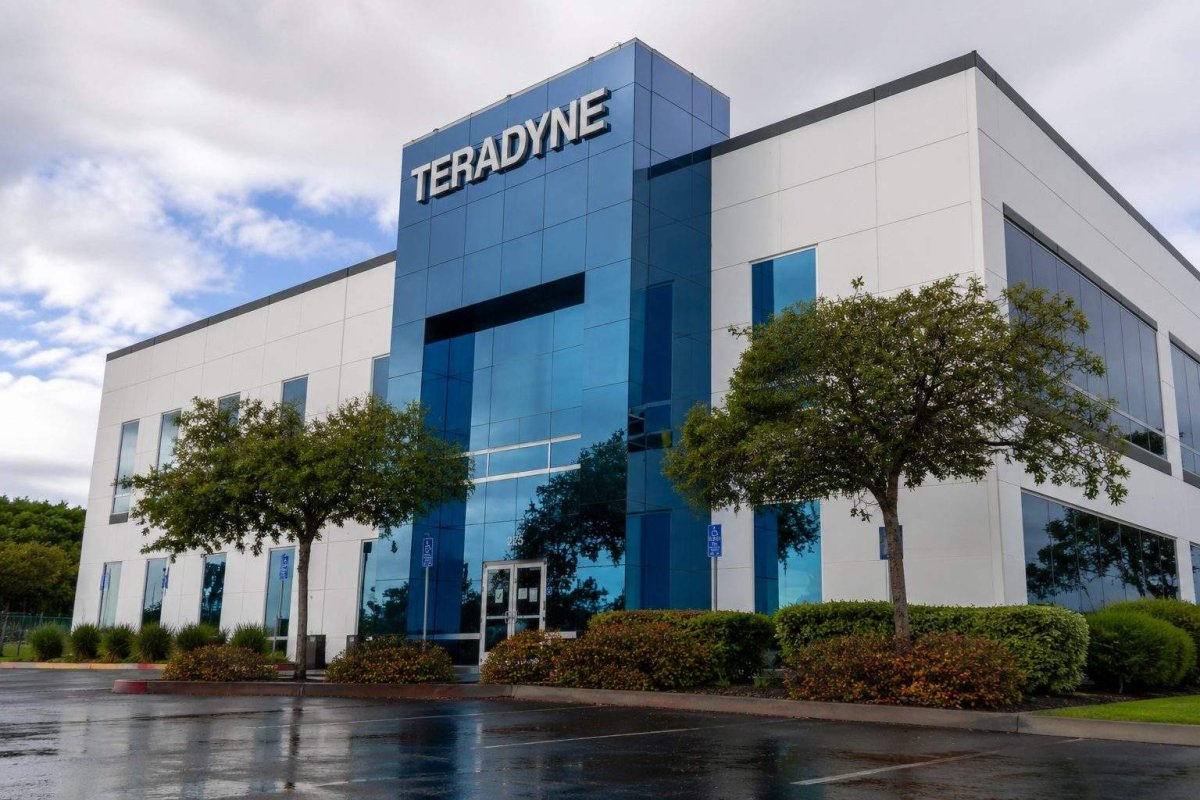
Teradyne (TER) shares advanced Friday morning following the company's declaration of a quarterly cash dividend, even as market participants weigh the longevity of its artificial intelligence-driven growth. The automated test-equipment maker's stock climbed 1.8% to $360.65, contributing to a volatile week that saw shares swing sharply after record first-quarter results.
The company announced a dividend of $0.13 per share, payable on June 12 to shareholders of record as of May 21. While the payout is modest, its timing is significant, coming on the heels of Teradyne's strongest first quarter ever, fueled by robust demand from AI-related chip testing.
Record Revenue Driven by AI Demand
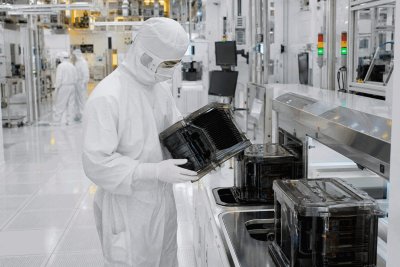
Teradyne reported first-quarter revenue of $1.282 billion, an 87% surge from the prior year. The Semiconductor Test segment accounted for $1.111 billion of that total, with Robotics contributing $91 million and Product Test adding $80 million. GAAP net income reached $398.9 million, or $2.53 per diluted share. CEO Greg Smith noted that roughly 70% of the business was powered by AI-related demand, pointing to the company's "wafer to AI data center strategy" as evidence it is tapping into multiple segments of the AI hardware supply chain.
Market Reaction and Analyst Views
Investor sentiment has been mixed. Teradyne shares jumped 7.1% on Wednesday to close at $382.48, outperforming rivals Keysight Technologies (KEYS) and Cohu (COHU). However, the stock remains below its April 24 peak of $422.11. Brendan Burke, research director at Futurum, characterized the AI-fueled compute and memory testing demand as a "lasting tailwind" rather than a cyclical boost, but flagged risks including the pace of customer program conversions and unpredictable order flow as AI data-center construction accelerates.
Robotics Expansion and Strategic Partnerships
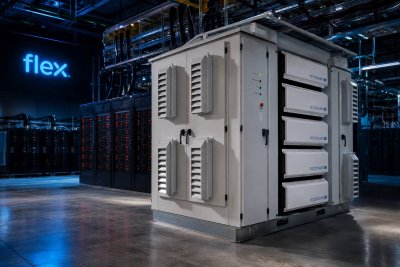
Teradyne continues to expand its robotics division, which remains a modest but closely watched part of the business. The company announced leadership changes, with Jean-Pierre Hathout taking over as president of Universal Robots and Kevin Dumas assuming the role of president of Mobile Industrial Robots. Additionally, Teradyne Robotics deepened its partnership with Flex (FLEX), a twenty-year collaboration that involves Flex deploying Teradyne robots in its factories and fabricating critical components for Teradyne's clients. Flex's Dennis Kirkpatrick said the move "builds on a strong foundation," while Hathout emphasized the goal of accelerating robotics adoption in manufacturing.
Risks and Challenges Ahead
Despite the strong quarter, Teradyne faces notable risks. In its latest quarterly filing, the company highlighted that demand for its test products is concentrated among a handful of large customers, exposing it to customer concentration risk. Teradyne also cited tariffs, trade sanctions, import-export regulations, and technology-transfer restrictions as potential hurdles that could impact operations, noting that compliance requirements already impose competitive limits in certain regions.
As the AI test cycle enters the second half of the year, the central question remains: can Teradyne sustain its blistering pace, or is the boom already past its peak? The dividend announcement provides a tangible return for shareholders, but the broader market narrative will hinge on whether AI-related chip testing demand proves durable beyond midyear.