Tesla Inc. shares experienced a notable uptick in Monday's trading session, climbing 1.8% to reach $398.30 by the early afternoon. This positive movement was primarily fueled by Chief Executive Elon Musk's weekend declaration that the company's ambitious Terafab artificial intelligence chip manufacturing project is scheduled to begin operations in just seven days. Earlier in the day, the stock had surged past the $403 mark, reflecting a more than 2% intraday gain as the news energized market participants.
Strategic Pivot Amid Core Business Pressures
The announcement arrives at a critical juncture for the electric vehicle pioneer. Tesla is strategically urging its investor base to shift focus from its traditional automotive metrics toward Musk's broader vision, which encompasses autonomous driving technology, a robotaxi network, and advancements in humanoid robotics. This reframing follows the company's first annual revenue decline, a dip of approximately 3%, which has intensified scrutiny from shareholders demanding tangible progress on its long-promised autonomous driving capabilities.
Vehicle delivery figures underscore the mounting pressure on Tesla's core business. The company reported a drop in annual deliveries to 1.64 million units in 2025, down from 1.79 million the previous year. This contraction is attributed to fierce competition from rivals such as BYD, Volkswagen, and BMW, which are aggressively capturing market share. While Tesla did report a significant year-over-year sales increase in China for February, those figures still represented a sequential monthly decline of 15.2%.
Terafab: A Costly Bet on the Future
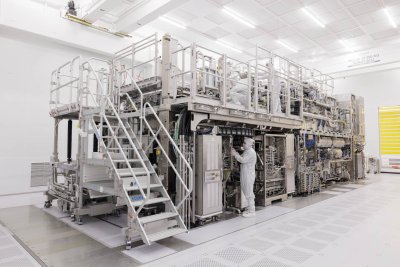
The Terafab initiative represents a massive capital investment aimed at securing Tesla's supply of the advanced processors required for its self-driving and robotics software. Currently, the company sources these crucial components from external suppliers like Taiwan Semiconductor Manufacturing Company and Samsung Electronics. Musk has expressed skepticism about the sufficiency of even the most optimistic supply forecasts from these partners, underscoring the strategic rationale for bringing production in-house.
However, this move comes with a staggering financial commitment. Analysts at UBS, led by Joseph Spak, estimate the initial price tag for the Terafab project could approach $30 billion. This substantial expenditure has led several market observers to forecast that Tesla may dip into negative cash flow during 2026 as these costs escalate.
Broader Market and Regulatory Headwinds
Beyond production and competition, Tesla is navigating a challenging macroeconomic and regulatory landscape. Wall Street's consensus forecast for the company's delivery growth in 2026 has been revised downward to 3.8%, a sharp reduction from the 8.2% projection in January. Analysts point to the loss of U.S. federal electric vehicle tax credits for certain models and heightened competitive activity in the European market as key factors dampening the outlook.
Despite these challenges, Tesla maintains a formidable financial position. The company's shareholder update in January reported cash, cash equivalents, and investments totaling $44.1 billion as of the end of 2025. This war chest is intended to fund not only Terafab but also other future projects, including the ramp-up of Cybercab and Tesla Semi production in the first half of 2026 and the planned manufacturing of Megapack 3 in Houston.
Operational Hurdles and Supplier Disputes
Operational complexities continue to surface. Separately, supplier Syrah Resources disclosed on Monday that it and Tesla have again extended the deadline—now to June 1—to resolve an alleged default related to their graphite supply agreement for battery materials from Syrah's Louisiana facility. This dispute highlights ongoing supply chain tensions even as Tesla pushes for greater vertical integration.
In summary, while the Terafab news provided a short-term catalyst for Tesla's stock, the company's path forward is fraught with significant obstacles. The dual challenge of reinvigorating growth in its foundational automotive business while funding a multi-billion-dollar bet on its technological future will likely define Tesla's trajectory in the coming years, keeping investors and analysts on high alert.