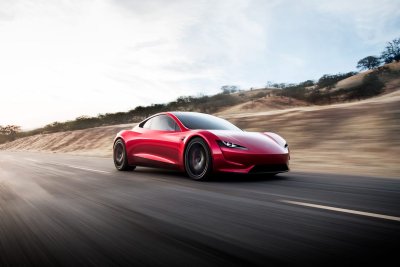
Shares of Tesla Inc. traded lower during Friday's session, pressured by a dual challenge of renewed pricing pressure on its electric vehicles and a substantial legal defeat concerning its driver-assistance technology. The stock declined roughly 1% in mid-morning trading, shedding about $4.04 to reach $407.67.
Cybertruck Pricing Strategy Raises Margin Concerns
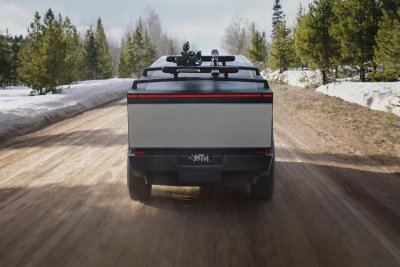
The electric vehicle manufacturer unveiled a new, more affordable version of its Cybertruck late Thursday, pricing a dual-motor all-wheel-drive model at $59,990 for the U.S. market. Concurrently, Tesla implemented a significant price reduction on its premium tri-motor Cyberbeast configuration, lowering its cost from $114,990 to $99,990. Chief Executive Elon Musk indicated the $59,990 entry point would remain available for a limited ten-day window.
This pricing action represents the latest in a series of adjustments that have characterized Tesla's competitive strategy in recent quarters. Market analysts immediately raised questions about the potential impact on automotive profit margins, a persistent concern for investors. The company's core auto business remains its primary revenue source, where pricing changes directly and swiftly affect profitability per vehicle delivered.
Substantial Legal Verdict Upheld
Adding to the day's negative sentiment, a federal judge in Miami affirmed a jury award of $243 million against Tesla. The verdict stems from a fatal 2019 crash involving a Model S vehicle operating with Autopilot engaged. The judge ruled the substantial penalty was "more than supported" by the evidence presented during the trial, dealing a blow to Tesla's ongoing legal defense of its autonomous driving claims.
Separately, regulatory scrutiny in California intensified. According to reports, the company narrowly avoided a 30-day suspension of its state dealer and manufacturer licenses after agreeing to remove the term "autopilot" from its marketing materials within the state. This highlights the ongoing tension between Tesla's branding of its "Full Self-Driving" and "Autopilot" systems—which are advanced driver-assistance features requiring constant human supervision—and regulatory expectations.
Broader Market Context
The decline occurred against a generally weaker backdrop for U.S. equities. Major indices edged lower following economic data showing a slowdown in fourth-quarter economic growth coupled with an uptick in inflation readings for December. "A little bit lower growth ... and a little bit higher inflation ... is generally not a good combination for the stock market," noted Steve Wyett, chief investment strategist at BOK Financial. Tesla's drop aligned with weakness across other large-cap growth stocks.
For Tesla, the confluence of events underscores a clear risk profile: aggressive price competition threatens to compress automotive margins, potentially leading to a scenario where increased vehicle sales fail to translate into higher profits. When combined with legal setbacks and stricter marketing limitations, the company's narrative of significant future profitability from software and services becomes more challenging to sustain.
Investor Focus Shifts Forward
Traders are now monitoring several near-term catalysts. Key questions include whether Tesla will extend the advertised ten-day pricing window for the new Cybertruck model and how the company plans to accelerate software and service revenue growth as vehicle sticker prices face downward pressure. Further developments in the Autopilot case on appeal, or new regulatory actions related to driver-assistance claims, could prompt additional volatility in the stock.
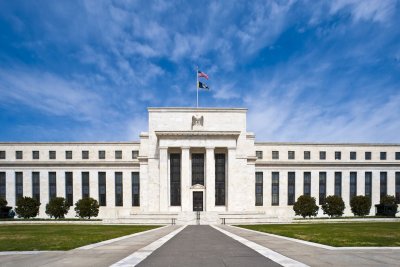
Beyond company-specific factors, market participants are looking ahead to the release of the January Personal Consumption Expenditures (PCE) inflation data on March 13. This report, considered the Federal Reserve's preferred inflation gauge, was delayed due to last year's government shutdown and is expected to provide crucial insight into the path of monetary policy.