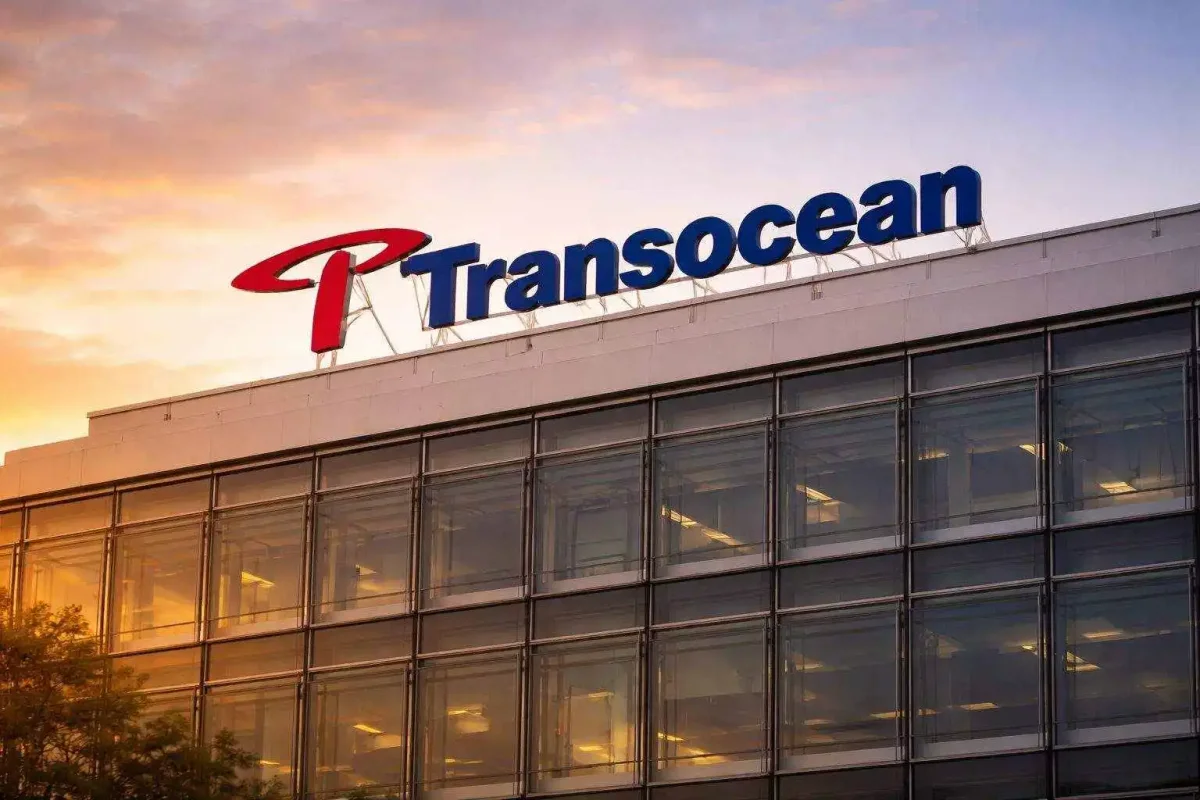
Shares of Transocean Ltd. moved higher during Tuesday's trading session, buoyed by a significant recovery in global crude oil benchmarks. The offshore drilling contractor's stock price increased approximately 2.9%, closing at $6.645 after reaching an intraday peak of $6.715. This upward movement occurred despite a lack of clear direction in the major U.S. equity indices, highlighting the stock's direct correlation to energy market dynamics.
Oil Market Volatility Drives Sector Movement
The primary catalyst for the rally was a sharp increase in Brent crude futures, which jumped over 4% to settle at $104.13 per barrel. This rebound followed a steep decline on Monday, which was triggered by geopolitical developments. The initial price drop occurred after former President Donald Trump called off planned strikes on Iranian power infrastructure. However, the recovery proved fragile as tensions persisted; Iran dismissed talks of negotiations with the United States, and shipping flows through the critical Strait of Hormuz remained disrupted. This vital waterway handles roughly 20% of the world's seaborne oil and liquefied natural gas.
Market analysts offered cautious perspectives. Nikos Tzabouras, an analyst at Jefferies-owned Tradu.com, noted, "The reality on the ground is unchanged." Phil Flynn of Price Futures Group observed that traders were "back climbing the wall of worry," indicating persistent market anxiety despite the price bounce.
Strategic Merger to Reshape Offshore Landscape
Beyond the daily oil price fluctuation, Transocean is executing a significant strategic shift. The company is advancing its proposed $5.8 billion all-stock acquisition of rival Valaris plc. The transaction aims to create an industry powerhouse with a combined fleet of 73 offshore rigs. A central objective of the merger is to strengthen the company's balance sheet by reducing its substantial debt load.
In February, Transocean reported that its total principal debt had decreased by 18% to $5.686 billion. Concurrently, the company's liquidity stood at $1.507 billion. The Valaris deal is viewed as a further step in this financial restructuring. CEO Keelan Adamson addressed this directly with analysts on a February 9 conference call, stating, "We know that our debt level negatively impacts our equity value. This transaction addresses that." Adamson projected that leverage would decline to approximately 1.5 times within 24 months after the deal's closure. The companies anticipate finalizing the merger in the second half of 2026.
Strong Operational and Financial Backdrop
Transocean provided investors with a solid operational update on February 19. The company reported that its full-year 2025 revenue climbed 13% to $3.965 billion. Adjusted EBITDA, a key measure of operating profitability, saw an even stronger increase of 19%, reaching $1.37 billion.
Furthermore, the company's backlog—representing future contracted revenue—remained robust at nearly $6.1 billion. Since October, Transocean has secured 10 new fixtures, adding approximately $610 million to its contract portfolio. In a separate announcement on February 11, the company revealed an additional $184 million in firm backlog linked to contracts in Norway, underscoring continued demand for its services in key offshore basins.
Broader Sector Rally and Analyst Outlook
The positive sentiment extended across the offshore drilling sector. Valaris shares also gained 2.9%, while Noble Corporation jumped 5.3%, and Seadrill added 2.1% during the same session.
The outlook for oil prices has recently turned more constructive. In a notable move late Sunday, Goldman Sachs raised its average Brent crude price forecast for 2026 to $85 per barrel, up from a previous estimate of $77. The investment bank also highlighted the potential for Brent to average $110 in March and April. For Transocean, such a pricing environment is crucial as it supports higher dayrates—the daily fees charged for rig hire, which form the core of its revenue.
Risks and Demand Concerns Linger
Despite the rally, significant risks cloud the horizon. Goldman Sachs cautioned that if U.S. military operations in the region de-escalate, the geopolitical risk premium currently baked into oil prices could evaporate rapidly. Furthermore, concerns about demand destruction at elevated price levels persist. Ben Marshall, CEO of Vitol Americas, used his platform at the CERAWeek energy conference to warn that sustained crude prices at $120 per barrel could trigger "severe demand destruction." This underscores a delicate balance for drillers: higher prices boost revenue in the short term, but excessively high prices could prematurely end the current investment cycle by eroding demand.
In summary, Transocean's stock performance reflects a confluence of short-term commodity price movements and longer-term strategic initiatives. While the company benefits from firmer oil prices and a strengthening contract backlog, its future hinges on successfully integrating Valaris, managing its debt, and navigating a volatile geopolitical and macroeconomic landscape that directly impacts global energy investment decisions.