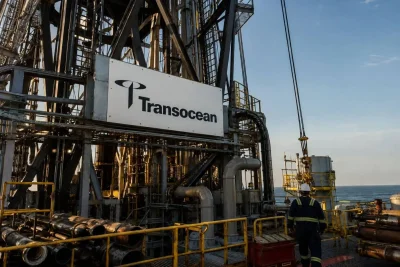
Shares of offshore drilling contractor Transocean Ltd. surged in Thursday's trading session, climbing approximately 10% to $6.00 per share. The rally followed the company's disclosure of new contract awards in Norway, which add a substantial $184 million to its firm backlog. This development provides a significant boost to the company's visible revenue stream and underscores ongoing demand for its specialized harsh-environment assets.
Contract Details and Fleet Implications
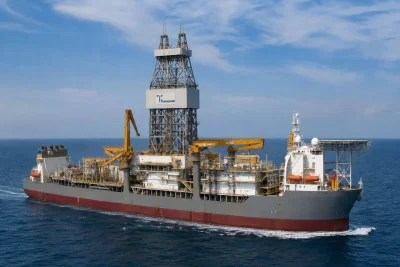
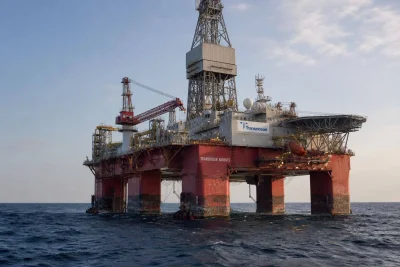
The backlog increase stems from two separate contract actions for semisubmersible rigs operating in the Norwegian sector of the North Sea. The Transocean Encourage secured a seven-well contract extension, which is scheduled to commence in the first quarter of 2027. This extension contributes an estimated $152 million to the backlog. Concurrently, exercised options on the Transocean Enabler will keep that rig employed through December 2027, adding another $32 million in firm contract value. These awards effectively lock in utilization for these high-specification units well into the latter part of the decade.
Strategic Merger with Valaris Gains Key Support
In a separate but closely watched development, a significant shareholder group has publicly backed Transocean's proposed merger with rival Valaris. According to a regulatory filing, entities associated with Frederik W. Mohn collectively hold about 96.9 million Transocean shares, representing an 8.8% stake. This group has entered into a support agreement for the all-stock acquisition, which was announced earlier this week with an estimated enterprise value of $5.8 billion. The deal terms propose Valaris shareholders receive 15.235 Transocean shares for each Valaris share they own.
Management from both companies have framed the combination as a transformative move. Transocean CEO Keelan Adamson highlighted identified annual cost synergies exceeding $200 million, while Valaris CEO Anton Dibowitz stated the merger aims to create a new industry leader in offshore drilling. Reflecting market optimism, Valaris stock also experienced a strong move, rising roughly 11% on the day. The positive sentiment spilled over into the broader offshore drilling sector, with peers such as Noble Corporation and Borr Drilling also trading higher.
Upcoming Catalysts and Market Context
Investors are now looking ahead to several near-term catalysts. Transocean is scheduled to report its fourth-quarter 2025 financial results after the market closes on February 19, with a conference call to follow the next morning. Analysts and shareholders will scrutinize the earnings release and accompanying fleet status report for updates on contracting activity, cash flow generation, and any further commentary on the progress of the Valaris transaction.
It is important to note that the new Norwegian contracts do not generate immediate revenue, as the work is slated for 2027. Furthermore, the Valaris merger is not yet finalized, pending necessary shareholder approvals from both companies and regulatory clearances. Deal-related filings have also cautioned that a change of control could trigger revisions or cancellations of certain existing contracts, representing a potential integration risk.
The dual announcements—substantial backlog growth and reinforced merger support—arrive at a critical juncture for the offshore drilling industry. After a prolonged downturn, the sector is showing signs of a sustained recovery, characterized by rising day rates and improved utilization for premium rigs. Transocean's latest contracts affirm the strength of the harsh-environment and deepwater market segments, where high technical barriers to entry limit competition. The proposed merger with Valaris is viewed as a consolidation play aimed at creating a fleet with unparalleled scale and capabilities, potentially yielding significant operational and financial benefits in an upcycle.
Market participants will continue to monitor the interplay between Transocean's organic growth, as evidenced by the new backlog, and its inorganic growth strategy via the Valaris acquisition. The company's ability to execute on both fronts while navigating the inherent cyclicality of the energy services market will be key to its long-term performance. The upcoming quarterly report will provide the next substantive data point on its financial health and operational trajectory.