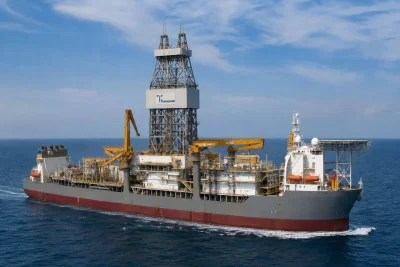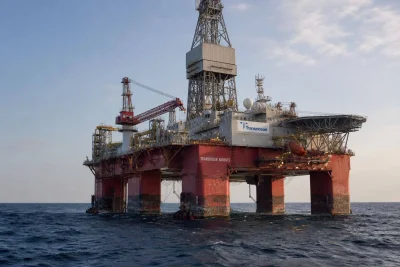
Shares of Valaris Ltd. experienced a sharp decline in Tuesday's trading session, falling 8.6% to close at $76.64. This move erased a significant portion of the stock's recent surge, which was fueled by Monday's announcement of a major acquisition agreement. The offshore drilling contractor is set to be acquired by rival Transocean Ltd. in an all-stock transaction valued at approximately $5.8 billion.
The deal structure, which involves a fixed exchange ratio, is causing Valaris shares to move in close correlation with Transocean's stock price. Transocean itself declined 8.1% to $5.25 during the session. Under the terms announced, Valaris shareholders will receive 15.235 Transocean shares for each share of Valaris they own. Based on current pricing, this ratio implies a value of roughly $80 per Valaris share, creating a spread of about 4% below that implied valuation.
Market Mechanics and Deal Dynamics
This spread is now a focal point for traders and investors, serving as a market-based indicator of the perceived probability and anticipated timeline for the merger's completion. In stock-for-stock transactions, the target company often trades at a discount to the implied offer price, reflecting uncertainties surrounding regulatory approvals, shareholder votes, and potential execution risks. The gap can fluctuate based on market sentiment toward the acquiring company's stock and any emerging news about the deal process.
The combined entity would boast an enterprise value of around $17 billion and operate a fleet of 73 offshore drilling rigs. In statements accompanying the deal, Transocean CEO Keelan Adamson highlighted strategic rationale, noting, "We are aware that our debt level has negatively impacted our equity valuation. This transaction directly addresses that concern." He projected that the combined company's leverage could decline to approximately 1.5 times within two years after closing.
Valaris CEO Anton Dibowitz framed the combination as a path to "establish a new industry leader for the benefit of our shareholders." Adamson added that the timing was advantageous to "capture value from an emerging, multi-year upcycle in offshore drilling." The transaction is expected to close in the second half of 2026, pending necessary regulatory and shareholder approvals.
Protections and Sector Context
A Valaris regulatory filing outlined key deal protections, including an outside completion date of February 9, 2027. The filing also detailed a $195 million termination fee that would be payable by Transocean under certain circumstances and established restrictions on Valaris soliciting alternative acquisition proposals during the go-shop period.
The movement in Valaris shares appeared largely idiosyncratic to the deal announcement. Elsewhere in the offshore drilling sector, Noble Corporation traded flat, while Borr Drilling and Seadrill each declined about 3%. This suggests the sell-off was not driven by broader sector weakness but by specific arbitrage and positioning related to the merger arbitrage trade.
Market participants are now looking ahead to the next scheduled catalyst. Valaris is due to report its fourth-quarter financial results before the market opens on February 19, followed by a conference call that morning. Traders and analysts will scrutinize the earnings release and management commentary for insights into the company's standalone operational performance, as well as any additional details regarding the merger timeline, integration plans, and the combined entity's projected cash flow and debt profile.
Investor attention will remain fixed on the deal spread in the coming weeks and months. Any regulatory hurdles, shareholder dissent, or further weakness in Transocean's stock price could pressure Valaris shares, even if the fundamental outlook for offshore drilling services remains stable. The merger represents a significant consolidation within the industry, and its progression will be a key narrative for the energy services sector throughout 2026.