NEW YORK, July 12, 2026 – The gap between Transocean Ltd. (NYSE:RIG) and Valaris Limited (NYSE:VAL) in their all-stock merger has narrowed to 2.1%, reflecting a slightly tighter spread as the deal progresses through regulatory reviews. At Friday’s close, Transocean ended at $5.20, implying a value of $79.22 per Valaris share using the fixed exchange ratio of 15.235-to-one. Valaris closed at $77.57, leaving a gross spread of $1.65.
The spread has come into focus because of the regulatory calendar. Valaris announced on June 29 that the Committee on Foreign Investment in the United States (CFIUS) cleared the deal, but the U.S. Department of Justice issued a “second request” for additional information as part of its antitrust review. The companies have agreed not to certify compliance before July 31. If no early termination is granted, the earliest closing date would be 60 days after both certifications, setting a target of September 29. Shareholders still need to vote.
Over the past week, the spread tightened from about 2.3% on July 2 to 2.1% by Friday. Since the deal is stock-for-stock, a 1% move in Transocean shifts the implied value for Valaris by the same percentage. Merger-arbitrage funds typically hedge by shorting the Transocean shares they expect to receive, which helps stabilize the spread but also reduces net returns.
The annualized spread, assuming a September 29 close and no transaction costs, is approximately 10.0%. However, this is not a guaranteed return. If Transocean were to drop 10% to $4.68, the implied deal value for Valaris would fall to about $71.30, an 8% discount to Friday’s close. Risks include a prolonged antitrust review, shareholder rejection, or a decline in oil prices that could widen the spread.
Transocean’s stock rose 2.8% since July 2, roughly in line with Valaris’s 2.9% gain, but lagged Noble Corp. (NYSE:NE), which climbed 5.2%, and Brent crude, which rose 5.5% to $76.01 a barrel. This suggests that merger timing, not just crude prices, is driving Transocean’s near-term performance.
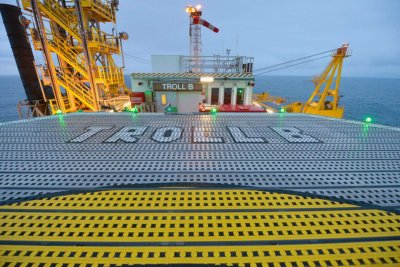
On the operational side, Transocean announced on June 30 a conditional deal with Equinor ASA (NYSE:EQNR) valued at over $1 billion for seven rig-years, with an effective starting dayrate above $400,000. CEO Keelan Adamson highlighted the win as evidence of strength in Norway’s high-spec harsh-environment market and strong ties to Equinor.
Valaris is looking to the merger to strengthen its balance sheet. “We know that our debt level negatively impacts our equity value. This transaction addresses that,” Adamson said when announcing the deal. The combined company expects a fleet of 73 rigs, more than $200 million in additional cost savings, and a leverage ratio near 1.5 times within two years of closing.
Wall Street took a cautious stance last week. Susquehanna analyst Charles Minervino lowered his Transocean price target to $7 from $8 on Wednesday but maintained a Positive rating. The new target implies about 35% upside from Friday’s close.
Looking ahead, U.S. markets reopen Monday with Transocean not scheduled to report results until August 5, when it will also release a fleet-status report. Key economic data includes June consumer price inflation on Tuesday and producer prices on Wednesday. However, the stock is likely to be more sensitive to crude oil headlines, changes in the RIG-VAL spread, and any new merger filings this week.