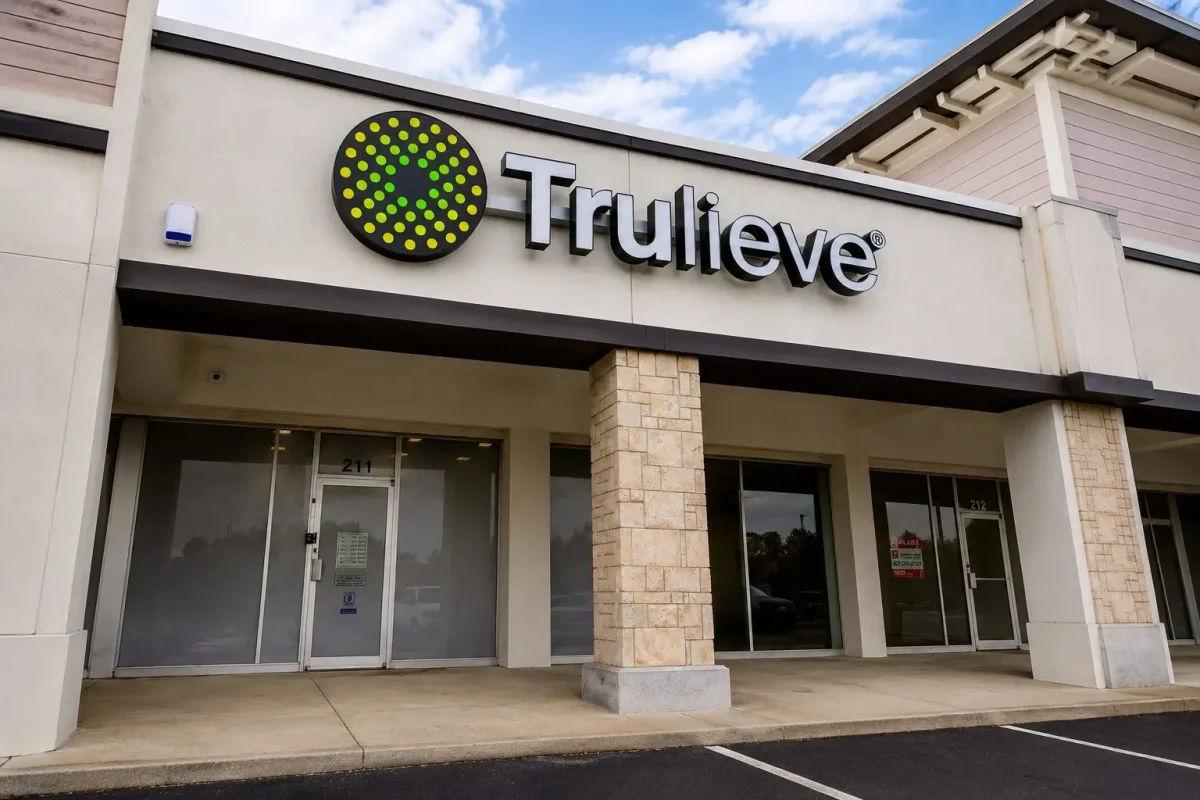
Trulieve Cannabis Corp. made a significant move this week by listing its shares on the New York Stock Exchange under the ticker TRLV, transitioning from the OTCQX and Canadian Securities Exchange. The company also announced a share buyback program of up to $50 million, signaling confidence in its long-term value. The stock ended its first NYSE session at $11.50, down 0.43%, before edging up to around $11.78 in early Thursday trading.
The uplisting marks a pivotal moment for Trulieve, which had previously traded as TCNNF on OTCQX and TRUL on the CSE. The move to a major U.S. exchange is expected to broaden its investor base and improve liquidity, though the initial trading session was volatile, with shares swinging between $10.85 and $12.30. The buyback plan, authorized by the board on June 9, allows the company to repurchase up to 8,495,038 subordinate voting shares, representing about 5% of the float as of June 8. Shares bought back will be canceled, potentially boosting existing shareholders' stakes.
CEO Kim Rivers highlighted the buyback as a capital allocation strategy, stating, "This program reflects our confidence in the long-term value of the business." The company is not obligated to complete the buyback and can modify or suspend it at any time. The move comes after Trulieve reported first-quarter results on May 7, with $287 million in revenue, a 59% gross margin, and $2 million in net income. Adjusted EBITDA stood at $100 million, while free cash flow reached $42 million.
The NYSE listing follows a significant regulatory development: the Justice Department and DEA moved FDA-approved medical marijuana products and state-licensed medical marijuana to Schedule III, a less restrictive category than Schedule I. However, a June 29 hearing is planned to discuss broader marijuana rescheduling, keeping policy uncertainty alive.
In a structural shift, Trulieve deconsolidated its Harvest business through agreements finalized on June 3. Whitley Holding 05192026 purchased voting units for about $14.8 million, acquiring a 10% economic stake in Harvest. Trulieve now retains only non-voting interests and no operational control. The company's consolidated operations now focus solely on state-licensed medical marijuana sites, with 206 dispensaries and 3.5 million square feet of production capacity under DEA registration.
Governance matters also surfaced, with an 8-K filing showing shareholders approved all seven board nominees, set the board size, and ratified WithumSmith+Brown as auditor for 2026. While not market-moving, these steps clear procedural hurdles tied to the annual meeting.
Looking ahead, Trulieve faces the challenge of sustaining investor interest beyond the initial uplisting buzz. The company plans a shareholder vote on August 5, 2026, to reincorporate from British Columbia to Delaware, aligning its legal structure with U.S. operations. The second-quarter 10-Q, due by August 7, will provide further details on the Harvest deconsolidation's impact. As federal cannabis policy remains divided between Schedule III for medical marijuana and Schedule I for other forms, TRLV's ability to attract steady volume from institutional investors will be closely watched.
