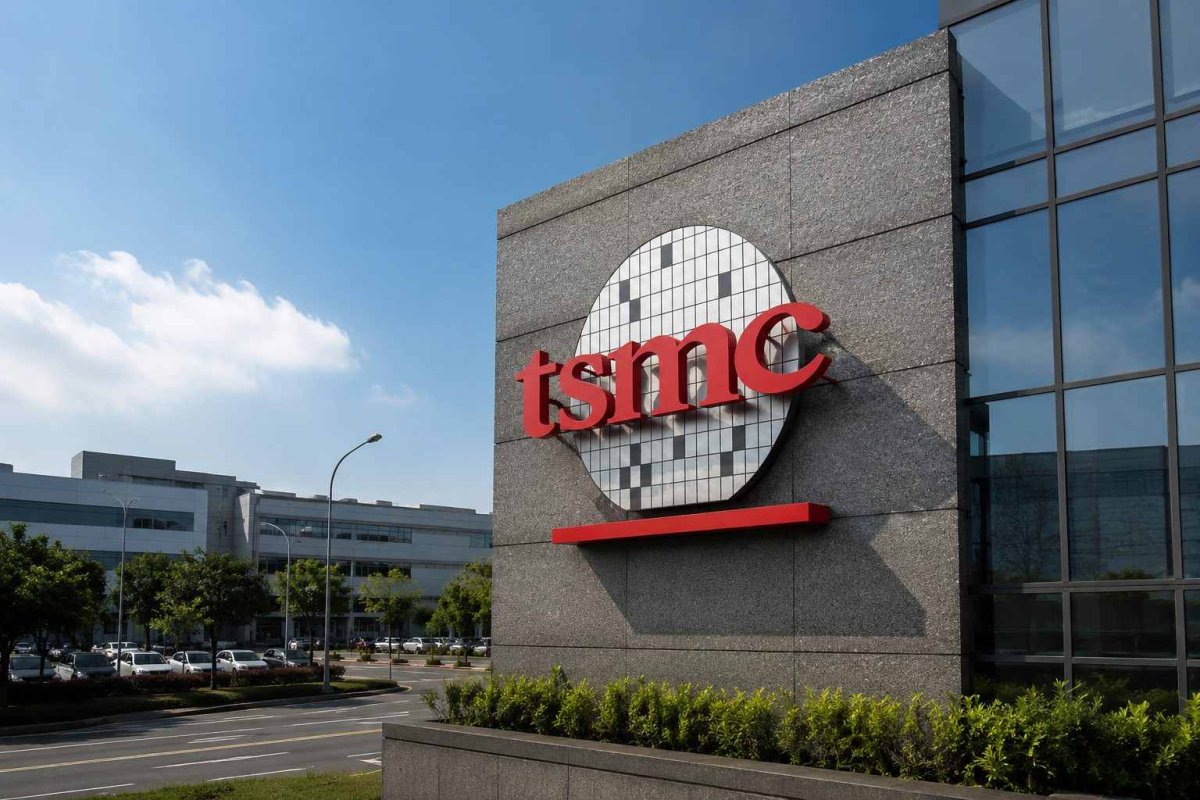
Taiwan Semiconductor Manufacturing Co (TPE:2330; NYSE:TSM) delivered an outstanding second-quarter performance in 2026, driven by surging demand for artificial intelligence chips. The company's operating income soared 65.4% year-over-year, significantly outpacing a 16.6% increase in wafer shipments. The blended profit-per-wafer proxy rose approximately 42%, highlighting how AI-heavy product mix is boosting profitability even as the company invests heavily in capacity expansion.
Record Revenue and Margins
Revenue for the quarter climbed 36% to NT$1.270 trillion ($40.2 billion), setting a new record. Net profit reached NT$706.56 billion, exceeding LSEG SmartEstimate by about 12%. Gross margin hit 67.7%, a level not seen in more than two decades, up from 58.6% a year ago. Operating margin improved to 60.3% from 49.6%. The strong results sent TSMC shares up 59% for the year, with Taipei trading ending before the release.
AI Dominance Drives Growth
High-performance computing (HPC), which includes server and AI accelerator chips, contributed approximately 83% of the year-on-year revenue growth. HPC revenue jumped around 50% to NT$838 billion, accounting for 66% of total revenue, up from 60% a year earlier. Smartphone revenue grew 11% but its share dropped five points. Advanced process chips (7nm and smaller) made up 77% of wafer revenue, with 3-nanometer technology contributing 30% and the new 2-nanometer process adding 3% for the first time.
Capital Spending Boost
Management raised its 2026 capital spending outlook to $60-$64 billion, up from the previous range ending at $56 billion. The company also announced a fresh $100 billion investment in Arizona, bringing total announced U.S. spending to $265 billion. CEO C.C. Wei noted that packaging capacity remains extremely tight, limiting customer growth. Free cash flow for the quarter was NT$287.36 billion, down 17% sequentially but up 44% year-over-year, as capital expenditures rose to NT$496 billion.
Outlook and Guidance
For the third quarter, TSMC guided revenue of $44.6-$45.8 billion, which would represent about 37% year-over-year growth. However, margin guidance is softer, with gross margin expected between 65% and 67% and operating margin between 56% and 58%. CFO Wendell Huang flagged a sharp ramp in 2-nanometer production that could reduce gross margin by 3-4 percentage points in the second half. Full-year dollar revenue growth is now expected to be just over 40%, up from the prior guidance of more than 30%.
Market Context
The results underscore the continued strength of AI demand, which has been a key driver for TSMC and the broader semiconductor sector. Analysts note that while the bull case depends on sustained AI demand and successful execution on capacity expansion, the company's leading-edge technology and tight packaging capacity position it well for long-term growth. Wei said he sees strong demand continuing into 2029 or 2030, though a potential dip along the way is possible. With the stock already up 59% this year, investors will watch whether the impressive profit-per-wafer growth can keep pace with rising global factory expenses.