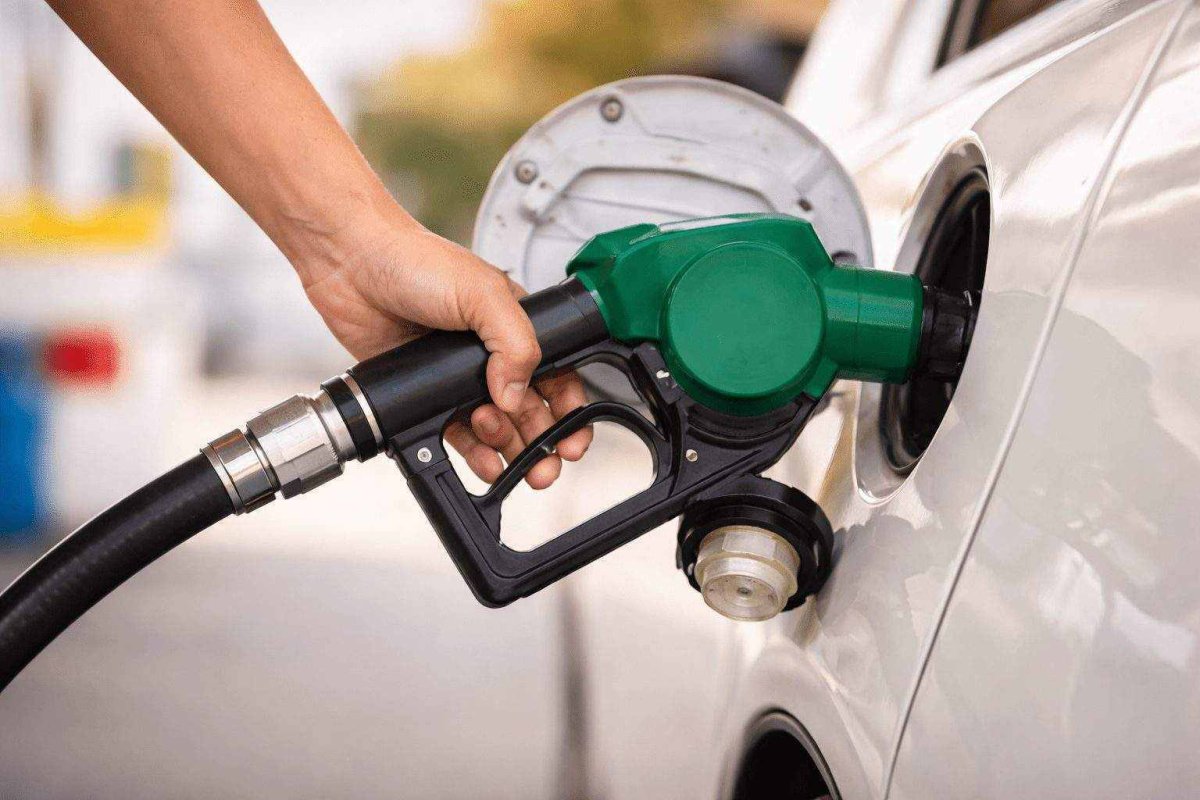
The cost of filling up in the United States has surged to its most expensive point in nearly two years, placing renewed pressure on consumers as the spring travel season begins. Data from the American Automobile Association shows the national average price for a gallon of regular unleaded gasoline hit $3.675 on Saturday, March 14, 2026. This marks the highest price since May 2024 and represents a significant acceleration in pump costs throughout March.
Crude Oil Drives the Surge
The primary catalyst for the increase remains the global oil market. The international benchmark, Brent crude, settled at $103.14 per barrel on Friday, firmly above the psychologically significant $100 threshold. This sustained elevation in crude prices is directly translating into higher refining costs and, consequently, more expensive fuel for drivers. Analysts at Goldman Sachs project that Brent will maintain a level above $100 throughout March, with a potential decline to around $85 anticipated for April. Their longer-term outlook suggests a possible retreat to the low $70s later in the year, but this is contingent on a stabilization of geopolitical tensions, particularly around the Strait of Hormuz—a vital chokepoint for approximately one-fifth of the world's seaborne oil.
Supply and Demand Dynamics Tighten
Compounding the impact of expensive crude are tightening fundamentals in the gasoline market itself. According to the latest Energy Information Administration figures cited by AAA, U.S. gasoline demand rose to 9.24 million barrels per day last week. This uptick coincides with the start of the spring break travel period, indicating stronger consumption. Simultaneously, domestic gasoline supply has decreased, falling to 249.5 million barrels. This combination of rising demand and falling inventory is creating a classic supply squeeze that supports higher prices.
Regional Disparities and West Coast Crisis
The pain at the pump is not felt equally across the country. State-level data reveals extreme disparities. Drivers in California are facing an average price of $5.483 per gallon, with Washington state close behind at $4.837. In contrast, prices in Texas average a comparatively lower $3.350. The West Coast, and California in particular, has been described by energy economist Philip Verleger as a potential "poster child" for the current price shock. Analysts point to a lack of incremental supply for the region and its reliance on specific refineries, such as Chevron's Richmond and El Segundo facilities and Marathon Petroleum's Los Angeles plant, as key factors in its vulnerability.
International Pressures Mount
Global market conditions are adding further strain. In a move that threatens to tighten Pacific basin supplies, China imposed a comprehensive ban on exports of refined fuels, including gasoline and diesel, for the month of March. This policy is aimed at preventing domestic shortages but reduces the pool of available fuel for import-dependent regions, including the U.S. West Coast. The timing exacerbates existing logistical challenges as coastal buyers scramble to secure shipments.
Policy Responses and Limited Relief
In response to the price surge, the U.S. government has initiated a release from the Strategic Petroleum Reserve. The Department of Energy has called for bids on an initial 86 million barrels, with the first shipments expected to reach the market before the end of next week. This constitutes the first half of a planned 172 million-barrel U.S. release, coordinated as part of a broader 400 million-barrel effort by the International Energy Agency. However, analysts are skeptical about the lasting impact of this intervention. RSM's Joe Brusuelas characterized the reserve release as merely a "temporary salve," while Patrick De Haan of GasBuddy estimated that a related waiver on shipping rules might only reduce price increases by about five cents per gallon in affected areas.
Consumer Sentiment and Market Outlook
The rapid rise in fuel costs is already weighing on household budgets and confidence. The University of Michigan's consumer sentiment index reported a decline in March, with gasoline prices cited as a contributing factor. Since the beginning of recent geopolitical conflicts, pump prices have surged over 21%. Looking ahead, the short-term forecast suggests continued upward pressure. Most analysts expect oil prices to hold firm, and retail gasoline costs are projected to follow crude higher. If Brent crude remains around $100 per barrel, drivers should prepare for further increases as March progresses. The market's future path remains highly sensitive to developments in key oil transit routes, with Barclays analysts noting that a prolonged disruption at the Strait of Hormuz could keep Brent at $100, whereas a swift resolution could see it fall to $85.