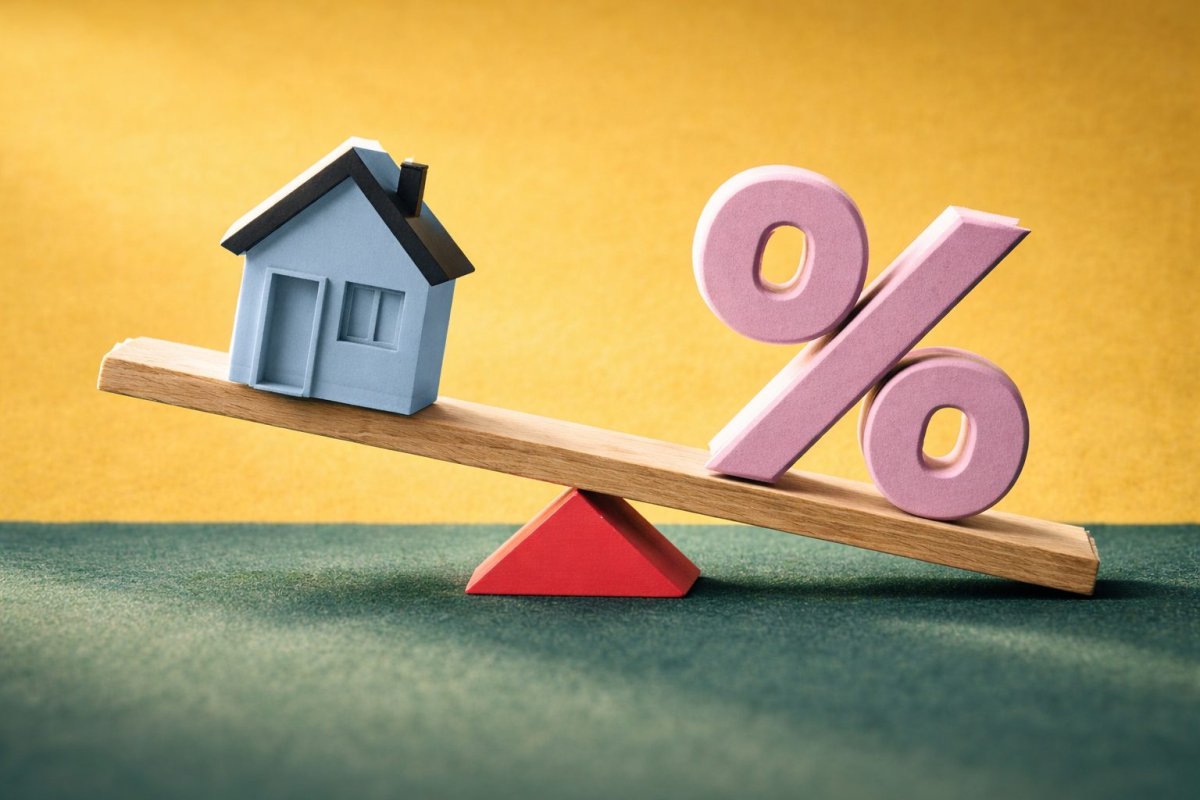
U.S. mortgage rates continue to hover in the mid-6% range, with the average 30-year fixed rate at 6.23% according to Bankrate's latest survey. Refinance rates remain slightly higher, averaging 6.57% for 30-year terms and 5.90% for 15-year loans. These levels have kept borrower demand muted, particularly for refinancing, which typically requires a full percentage point rate reduction to become economically attractive.
Spring Buying Season Approaches
With the spring home-buying season approaching, rate movements directly impact monthly payments and purchasing power. Industry experts note that demand tends to increase only when rates drop into the high-5% range. Rocket Mortgage executive Bill Banfield observed that rates "starting with a five flip a psychological switch," with his firm typically seeing demand rise about 30% when rates fall below 5.99%.
Separate data from Zillow showed the average 30-year fixed refinance rate at 6.24% on Monday, with jumbo refinance rates higher at 7.04%. Government-backed FHA and VA loans ran below conventional averages. The Mortgage Bankers Association's chief economist Michael Fratantoni projected rates would likely remain "between 6% and 6.5%" in the near term.
Affordability Challenges Persist
Lower rates alone may not restore housing affordability, particularly in expensive markets. A Zillow study cited by Investopedia found mortgage rates would need to fall more than four percentage points to make the typical home affordable for median-income families. In high-cost metropolitan areas like New York and Los Angeles, housing would remain unaffordable even with substantial rate reductions.
Refinancing also involves significant friction costs, with closing expenses typically ranging from 2% to 6% of the loan amount. Most lenders recommend borrowers aim to reduce their rate by approximately one percentage point before proceeding with refinancing, a threshold that keeps many homeowners on the sidelines at current rate levels.
The path forward remains uncertain, with potential inflation concerns or rising Treasury yields capable of pushing mortgage pricing higher quickly. This volatility could further constrain the already narrow refinance window and increase pressure on prospective buyers during the critical spring season.