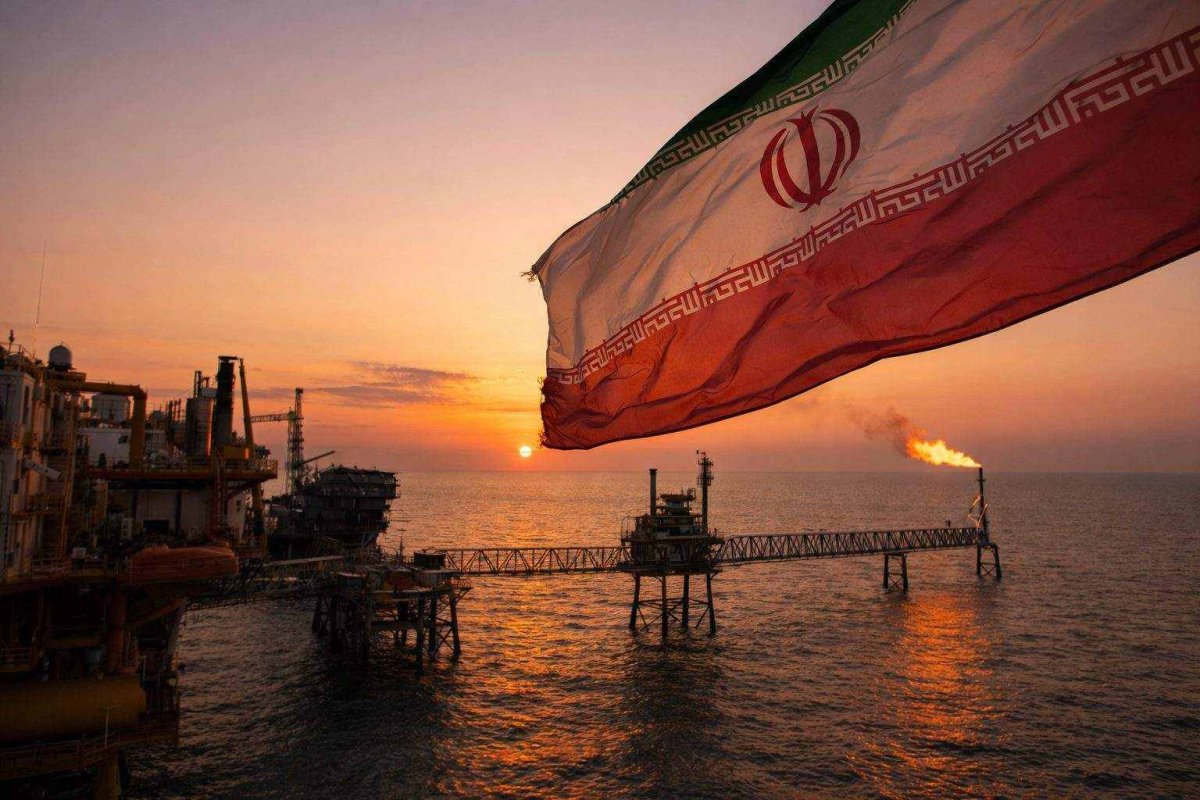
U.S. officials are actively debating a short-term sanctions exemption that could unlock roughly 140 million barrels of Iranian crude oil, currently held aboard tankers offshore. Treasury Secretary Scott Bessent indicated the measure is under review as part of broader efforts to stabilize energy markets in the wake of renewed Middle East tensions.
Immediate Market Impact and Logistics
If approved, Energy Secretary Chris Wright stated the oil could begin arriving at Asian ports within three to four days. Analysts caution, however, that the influx will not instantly resolve underlying supply constraints. Secretary Bessent estimated the additional crude might suppress prices for up to two weeks, while Wright projected the bulk would be processed and enter the market within 30 to 45 days.
The potential waiver follows a similar action taken this month for Russian barrels stuck at sea. A source familiar with Treasury deliberations suggested such a step could redirect shipments originally intended for China into broader circulation, potentially weakening Tehran's leverage stemming from the Strait of Hormuz disruption.
Hormuz Closure Sends Shockwaves
The geopolitical trigger is Iran's closure of the Strait of Hormuz, a passage between Iran and Oman that typically handles about 20% of global seaborne oil and liquefied natural gas (LNG) shipments. The crisis deepened after an Israeli strike on a major Qatari gas field, which sidelined 17% of the country's LNG output. In response, Brent crude futures surged past $119 a barrel on Thursday. By 1220 GMT on Friday, prices had retreated but remained elevated at $107.07.
Allied Response and Alternative Routes
International allies are scrambling to secure supply routes. Britain, France, Germany, Italy, the Netherlands, and Japan have expressed willingness to support measures ensuring safe transit through the strait. A proposal at the International Maritime Organization seeks to establish a protected corridor, which could free approximately 20,000 seafarers currently trapped in the Gulf.
Meanwhile, producers are maximizing alternative pipelines. Saudi Arabia has increased flows through its East-West pipeline to the Red Sea to 5.9 million barrels per day, with potential to reach 7 million, according to the International Energy Agency (IEA). The United Arab Emirates is moving about 1.8 million barrels daily via its Habshan-Fujairah route.
Analysts Skeptical of Quick Fix
Market experts doubt that simply adding barrels will swiftly reverse the price trend. "The potential for a quick reversal in energy prices is unlikely because damage has been done to production," said Ole Hansen, head of commodity strategy at Saxo Bank. Giovanni Staunovo, commodity analyst at UBS, noted that as long as traffic through Hormuz is severely limited, crude prices retain significant upside risk.
Sanctions specialists also raised concerns. David Tannenbaum of Blackstone Compliance Services dismissed the waiver's effectiveness, labeling the idea "bananas" and warning it could inadvertently provide Tehran with additional revenue.
Long-Term Supply Concerns
The outlook for restoring normal Gulf oil and gas flows appears protracted. Fatih Birol, Executive Director of the IEA, warned that recovery could take as long as six months. Investment bank Goldman Sachs sees oil price risks skewed to the upside not only in the near term but potentially through 2027, even if a recovery process begins as early as April.
Beyond the potential Iranian waiver, Washington is also considering another release from the U.S. Strategic Petroleum Reserve, following a coordinated drawdown with other G7 nations last week.
Ultimately, analysts concur that any waiver offers only temporary relief. A major price correction is unlikely while the Strait of Hormuz remains a bottleneck, forcing shippers to rely on constrained bypass infrastructure. The market's fragility underscores the profound impact of geopolitical instability on global energy security.