The UK government's proposed £500 million energy debt relief scheme for vulnerable households has yet to launch, leaving ministers under mounting pressure as industry forecasts show consumer arrears heading toward £7 billion by the end of the year. The scheme, first floated by Ofgem, is intended to write off debts for households that fell behind during the energy crisis, but its rollout depends on new data-sharing legislation that has not yet been approved.
Regulatory Hurdles and Rising Costs
Ofgem has stated that Phase 1 of the Debt Relief Scheme, targeting those who slipped into arrears during the energy crisis, cannot proceed without new rules allowing suppliers and the Department for Work and Pensions to share data on means-tested benefits. A government consultation on data-sharing last year proposed using such changes to bolster passported benefits and extend support to households in energy debt, but the plan remains in policy review, leaving suppliers unable to act.
Meanwhile, householders face rising costs. Cornwall Insight projects Ofgem's energy price cap for July through September at £1,843.78 for a standard dual-fuel direct debit customer, up from £1,641 in the April-to-June period. The cap, as always, applies only to unit rates and standing charges, not total bills.
Debt Levels Surge Across the Sector
Household energy debt has ballooned to approximately £5.5 billion, more than double the level of three years ago, according to Energy UK. Around 75% of that total is arrears. Official Ofgem data shows domestic customer debt and arrears more than 91 days overdue reached £4.55 billion in the fourth quarter of 2025, an 18% year-on-year increase. The average electricity arrears stood at £1,773, while gas arrears averaged £1,512.
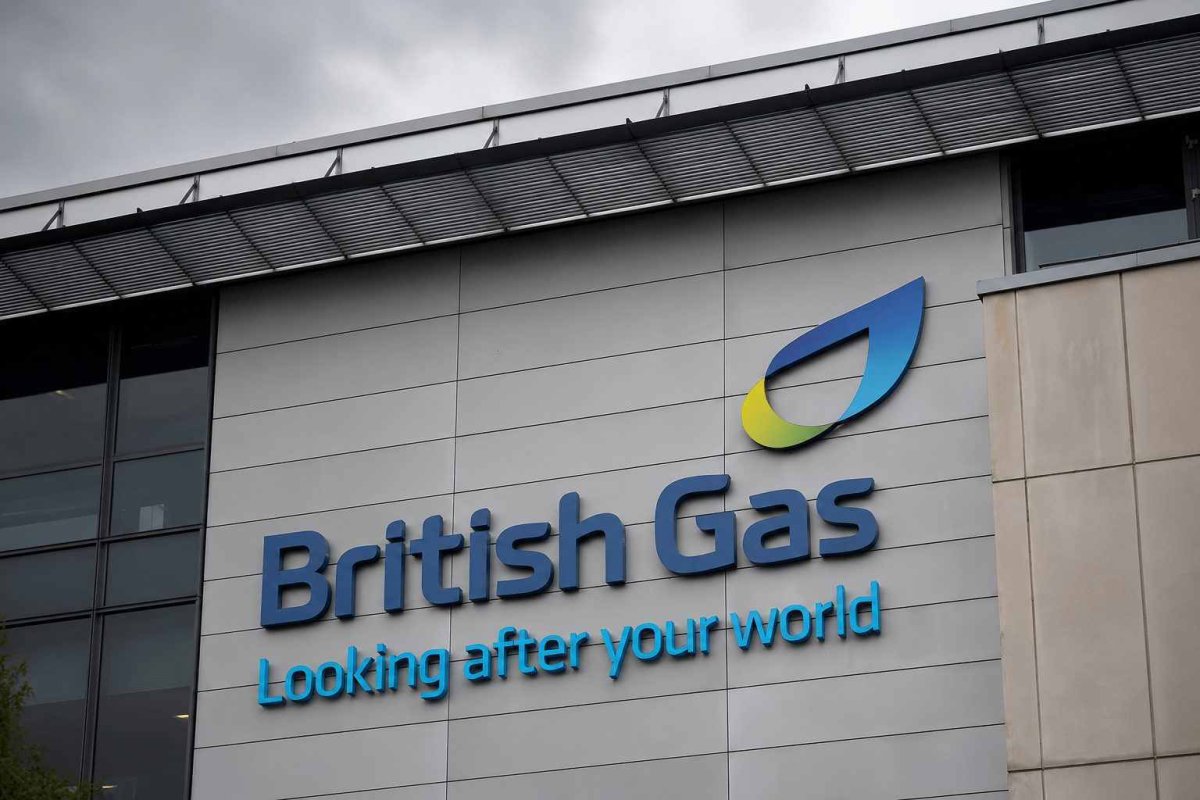
British Gas, owned by Centrica (CNA), reported that customers left over £1 billion in bills unpaid last year. Centrica updated investors on May 7, stating it expects 2026 retail EBITDA to land at the lower end of its previous range, citing "continued challenges" with collecting residential bad debt.
Industry Consolidation and Cost Burden
The strain is not limited to British Gas. E.ON's move to acquire Ovo, which would add around 4 million customers to its existing 5.6 million UK base, highlights the growing need for scale in a retail energy market grappling with heavier regulation, steeper capital requirements, and a surge in unpaid bills.
Ofgem warns that clearing debt has drawbacks: the average household already pays roughly £52 per year to cover the costs of managing and writing off energy debt. Ill-targeted relief, the regulator cautions, could push more of that burden onto customers who are keeping up with payments.
Voluntary Efforts vs. National Challenge
British Gas is committing £40 million over five years to the British Gas Energy Trust, which provides grants, emergency fuel vouchers, and related aid. Managing director Gary Booker called energy debt and fuel poverty a "major priority," but acknowledged that even these voluntary contributions are modest against national arrears running into the billions.
"The industry can't fix this problem alone," said Dhara Vyas, chief executive of Energy UK, urging both the government and Ofgem to intervene without delay.