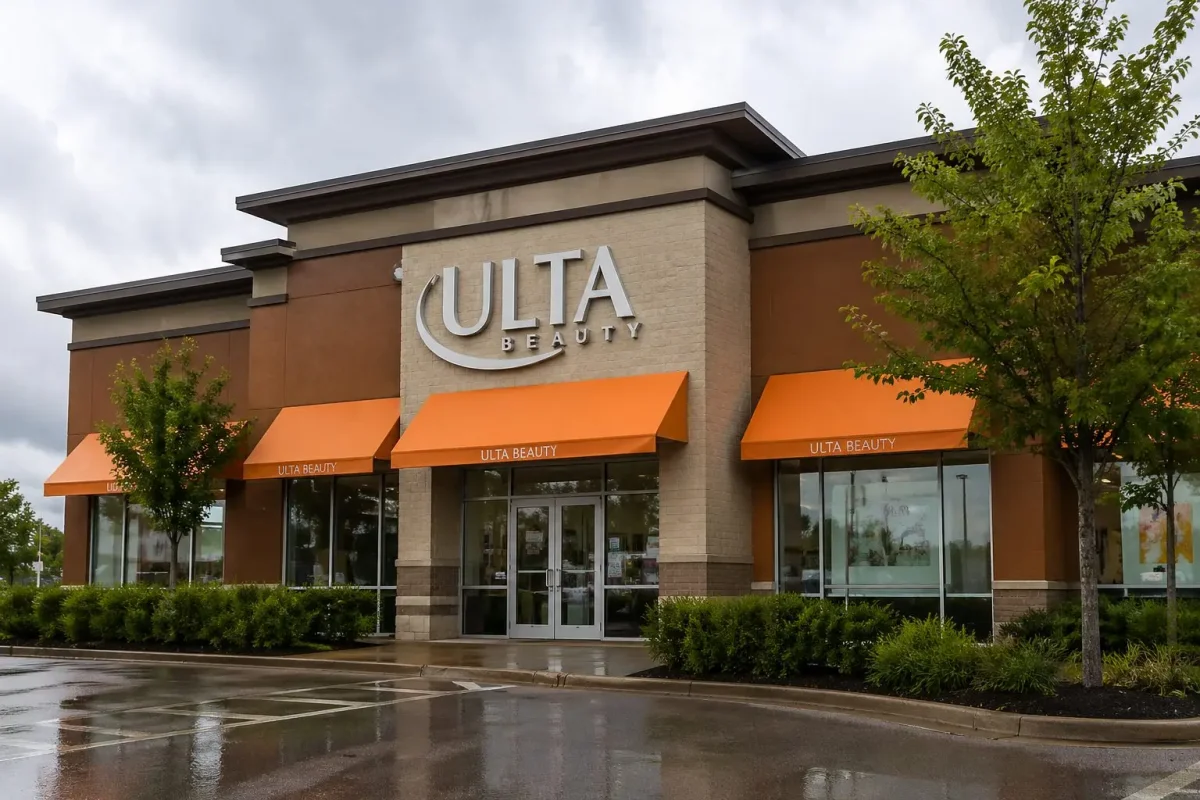
Ulta Beauty Inc. (ULTA) shares slipped 0.4% to $537.44 in mid-morning trading Tuesday, extending a decline that has pulled the stock 24.52% below its February 18 high of $714.97. The move follows a 3.38% drop on Monday, leaving the beauty retailer's market capitalization at approximately $24.1 billion.
The recent pullback gives investors some room to reassess the company's strategy ahead of its next quarterly earnings call on June 2. Ulta is betting heavily on digital initiatives, including artificial intelligence-powered shopping tools, to drive demand while managing costs.
In its fiscal 2025 results, Ulta reported net sales of $12.39 billion, up 9.7% year over year, with comparable sales rising 5.4%. Looking ahead, management forecasts net sales growth of 6% to 7% for fiscal 2026 and expects diluted earnings per share to climb between 9.4% and 11.4%. CEO Kecia Steelman said the company "closed the year with momentum."
Ulta's digital push includes a partnership with Google announced on April 22, which will allow shoppers to purchase Ulta products directly through Google's AI Mode in Search and the Gemini app, with rollout expected over the next month. The company also launched Ulta AI, its own shopping assistant, now live on Ulta.com and slated to reach its mobile app soon. Lauren Brindley, Ulta's chief merchandising and digital officer, described the goal as "seamless, personalized, shoppable discovery—wherever people are."
This trend is not isolated to Ulta. According to Retail Dive, Google has also integrated Walmart into its Gemini shopping tools, underscoring a broader industry scramble to link product discovery with checkout as consumers increasingly turn to AI at the start of their buying journeys.
Wall Street remains cautiously optimistic. On April 20, Jefferies upgraded Ulta to Buy from Hold and raised its price target to $700 from $635, citing increased confidence in revenue durability, a rebound in makeup sales, and improved merchandising. Jefferies also noted that forecasts for selling, general, and administrative expenses have been set at a more reasonable level.
However, margin pressure persists. In March, Ulta shares experienced their steepest drop in nearly two years after cost increases rattled investors. SG&A expenses surged 23% in the December quarter. Steelman has also flagged concerns about global conflicts and their potential economic impact.
As the stock sits in a tight spot, investors are waiting for proof that AI-driven shopping, TikTok-inspired discovery, and faster content delivery will translate into real sales growth rather than just additional costs. The upcoming June earnings call will need to demonstrate more than just top-line strength to reassure the market.