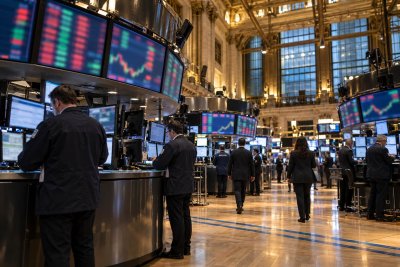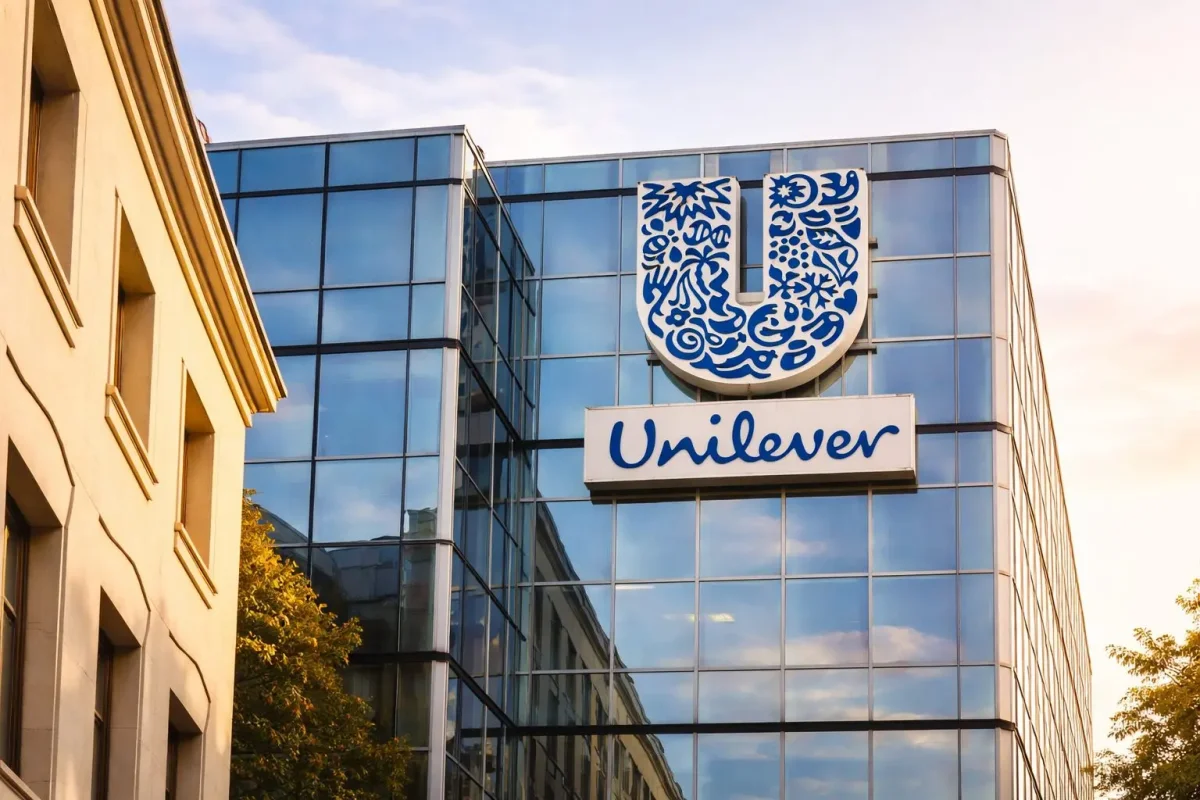
Shares of consumer goods giant Unilever retreated in London on Monday, caught in a wider European market downturn fueled by a dramatic surge in oil prices. The stock closed 0.64% lower at 4,903.5 pence, reflecting investor unease as Brent crude futures soared over 25% to approach $120 per barrel. This commodity shock has redirected attention to Unilever's recent guidance and its ability to deliver growth following the separation of its iconic ice cream division, which includes brands like Magnum.
Growth Targets Under Scrutiny
The sell-off comes just weeks after Unilever management, on February 12, indicated that full-year 2026 sales growth is likely to settle at the bottom of its multi-year target band of 4% to 6%. This caution stems from persistently soft demand in key developed markets. Chief Executive Fernando Fernandez now faces mounting pressure to demonstrate that a more streamlined Unilever, focused on beauty, wellbeing, and personal care, can reignite its expansion engine.
Recent financial results highlight the challenge. Developed markets, which account for 41% of Unilever's total turnover, saw underlying sales growth slow to just 1.7% in the fourth quarter. The performance was particularly weak in Europe, where growth stalled at a mere 0.1%. North America offered a slightly brighter picture with 2.8% growth, but the overall trend in mature economies remains a significant headwind.
Broader Market Context and Immediate Challenges
Monday's trading session was difficult across European indices. The UK's FTSE 100 index fell 0.3%, while the pan-European STOXX 600 declined 0.6%. The primary catalyst was the explosive move in oil markets, which reignited concerns over persistent inflation, rising transportation costs, and the future path of interest rates across the continent.
For Unilever, elevated oil prices present a dual threat: they increase the cost of raw materials and logistics, while also potentially forcing cost-conscious consumers to tighten spending. Europe's particular vulnerability to energy supply disruptions compounds this risk. A prolonged period of high energy costs could fuel inflation just as Unilever is striving to rebuild sales volumes in its core U.S. and European markets.
Contrasting Performance Metrics
Unilever's full-year 2025 results presented a mixed picture. Underlying sales grew by 3.5%, with a stronger 4.2% increase in the final quarter. The company also announced a new share buyback program worth 1.5 billion euros, set to commence in the second quarter. However, these positives were overshadowed by the subdued 2026 outlook. Management has reiterated goals for at least 2% volume growth and a modest improvement from the 20.0% operating margin reported for 2025.
Analyst commentary reflects this cautious optimism. James Edwardes Jones of RBC Capital Markets acknowledged "signs of progress" but cautioned that the turnaround "will take time." Chris Beckett of Quilter Cheviot described developed market consumer sentiment as merely "okay-ish," a challenging environment for companies reliant on branded goods.
Strategic Pivot and Peer Pressure
CEO Fernandez asserts that Unilever is moving "at speed" to reshape its portfolio around higher-growth categories like beauty and personal care, with an emphasis on premium products, digital sales channels, and expansion in the U.S. and India. Company data indicates these so-called "high-velocity" segments and its "Power Brands," which represent 78% of turnover, were primary drivers of the 2025 results.
Unilever is not alone in navigating these pressures. Competitor Reckitt recently highlighted that growth is being carried by emerging markets while Europe lags. Similarly, Nestle confirmed in February it was in talks to sell more of its in-house ice cream operations to sharpen its focus on core categories. The industry trend is clear: major consumer goods firms are continuing to prune brand portfolios and chase growth in regions where demand remains robust.
The Path Forward and Key Dates
The immediate test for Unilever's revised strategy will be its first-quarter 2026 trading update, scheduled for April 30. Investors will keenly watch for evidence that the company, now operating without its ice cream business, can generate genuine volume growth rather than relying solely on price increases to meet its targets. The interplay between volatile commodity inputs, consumer spending power, and successful execution of its strategic refocus will define Unilever's performance in the coming year.