Shares of United Airlines Holdings declined sharply on Friday, March 21, 2026, dropping 4.46% to close at $89.95. The sell-off represented the most significant single-day decline among major U.S. airline stocks, outpacing losses at competitors. Delta Air Lines saw its shares slip 2.4%, while American Airlines retreated 3.2% and Southwest Airlines fell 3.6%.
Fuel Price Shock Drives Warning
The downturn followed internal communications from United Airlines to its workforce, indicating the company is preparing for a scenario where crude oil prices could reach $175 per barrel. Chief Executive Officer Scott Kirby cautioned staff that prices might remain above $100 per barrel through 2027. Under this projection, the airline's annual fuel expenses could surge by approximately $11 billion.
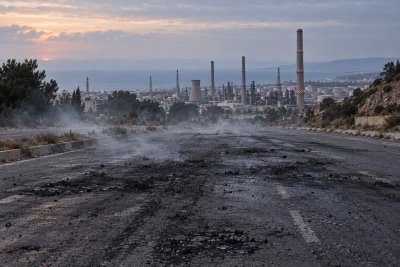
This warning comes as jet fuel prices have escalated dramatically, surpassing $200 per barrel on Thursday according to Reuters data. This represents nearly a doubling from the approximately $105 per barrel level observed before the onset of recent geopolitical tensions in the Middle East. A critical vulnerability for the sector is that most large U.S. carriers, including United, do not engage in fuel hedging—a practice of locking in fuel prices in advance—leaving them fully exposed to spot market volatility.
Operational Response: Deeper Capacity Cuts
In response to these mounting cost pressures, United is implementing further reductions to its flight schedule. The airline plans to trim about five percentage points from its planned capacity for the year. The cuts will focus predominantly on off-peak routes and services originating from its Chicago O'Hare hub. Additionally, the carrier confirmed that previously suspended routes to Tel Aviv and Dubai will remain grounded for the foreseeable future.
Despite the stark warning, CEO Kirby offered a note of cautious optimism to employees, suggesting there is "a good chance it won't be that bad." He emphasized that the current revenue environment remains robust, a sentiment echoed by other industry leaders.
Strong Demand Contrasts with Cost Pressure
The fuel cost surge arrives at an otherwise positive moment for airline revenues. Just days prior to United's warning, both Delta and American Airlines had raised their first-quarter revenue outlooks. United itself noted that the first ten weeks of 2026 set a new company record for bookings.
"The story for us in this quarter is about revenue demand," Delta CEO Ed Bastian remarked, while acknowledging that fuel prices have "almost doubled since the start of the year." Kirby, speaking at a J.P. Morgan industry event, described the revenue landscape as "really strong" and stated United's goal is to fully offset higher fuel costs this year through pricing power. He reported that fares booked in the most recent week jumped 15% to 20%.
Earnings Guidance and Broader Industry Concerns
Earlier in January, United provided investors with a 2026 adjusted earnings target range of $12 to $14 per share. This guidance now serves as a key benchmark as fuel prices begin their latest ascent.
The concerns extend beyond a single carrier. Willie Walsh, Director General of the International Air Transport Association (IATA), warned that the ongoing Middle East conflict creates "no winners" for the global aviation industry. He indicated that airlines may be forced to revisit their capacity plans if fuel supplies tighten significantly.
Strategy Relies on Premium Travelers
The prevailing strategy among major U.S. airlines hinges on premium and corporate travelers absorbing fare increases to cover the higher operational costs. This approach, however, carries inherent risks. A sustained period of elevated energy prices could eventually pressure consumer discretionary spending and potentially lead businesses to curtail travel budgets, undermining the carriers' pricing power.
The market's reaction on Friday underscores the delicate balance airlines must strike between strong passenger demand and uncontrollable input cost inflation. The sector's profitability in the coming quarters will likely depend on its ability to pass these costs through to customers without dampening the robust travel appetite that has characterized the post-pandemic recovery.