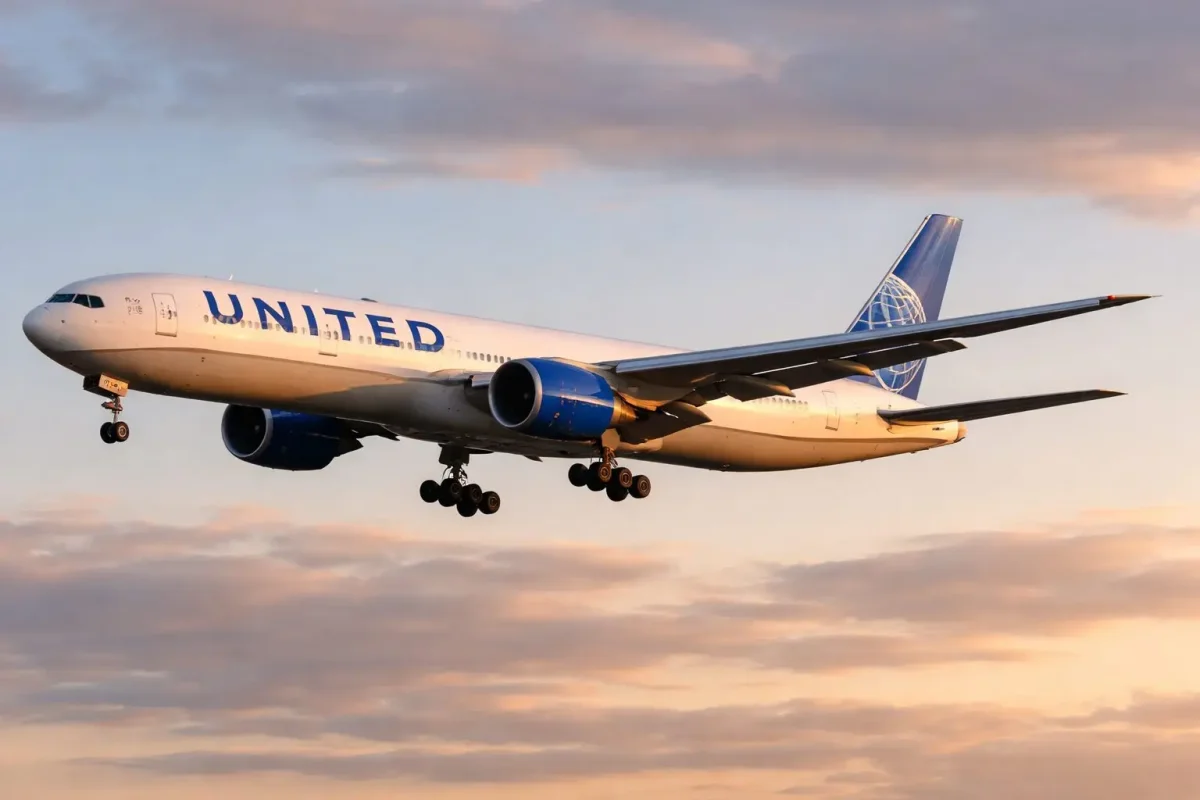
Shares of United Airlines Holdings declined on Tuesday as investors reacted to a sharp increase in jet fuel prices that the airline warned would materially affect its first-quarter financial performance. The stock closed down 2.5% at $92.20, underperforming broader market indices.
The rapid escalation in fuel costs represents a significant headwind for United and other major U.S. carriers. Jet fuel prices have surged from approximately $85-$90 per barrel to a range of $150-$200 in recent trading sessions. This spike comes at a critical time as airlines prepare for the busy spring and summer travel seasons.
United operates without fuel hedging, meaning it does not use financial instruments to lock in fuel prices in advance. This exposes the company directly to market volatility. Fuel typically represents an airline's second-largest operating expense after labor costs, making these price movements particularly impactful on profitability.
According to regulatory filings, United has informed investors that each $1 movement in the price per barrel of aircraft fuel changes its annual fuel expense by approximately $116 million. This sensitivity underscores why the recent price surge has prompted such concern among analysts and shareholders.
TD Cowen analysts responded to the development by significantly reducing their first-quarter earnings estimate for United. They now project adjusted earnings per share could fall to between $0.05 and $0.22, a substantial reduction from the $1.00 to $1.50 range the company provided in January. For the full 2026 fiscal year, United had previously projected adjusted earnings of $12 to $14 per share.
"While airlines can typically pass through a portion of fuel cost increases to consumers via higher fares, it's difficult to envision meaningful margin expansion this year without a rapid decline in energy prices," wrote TD Cowen analyst Tom Fitzgerald in a research note.
The pressure wasn't isolated to United. Shares of Delta Air Lines and American Airlines also traded lower on Tuesday. Some European competitors have been partially insulated from the fuel price spike because they hedged a portion of their fuel purchases earlier, highlighting the different risk management strategies employed across the industry.
This challenging environment contrasts sharply with the optimistic tone United struck just two months ago. In January, the company reported record quarterly revenue, full-year 2025 operating revenue of $59.1 billion, and $2.7 billion in free cash flow. CEO Scott Kirby stated at the time that revenue momentum was "continuing into 2026."
United faces additional operational pressure in its Chicago hub. The Federal Aviation Administration is seeking deeper cuts to summer flights at O'Hare International Airport. United had planned to operate about 780 daily flights there this month, up from 541 daily flights during the same period last year. American Airlines, United's primary competitor at O'Hare, has accused the carrier of overly aggressive scheduling that contributes to congestion.
Market observers will be watching for commentary from United's leadership at the upcoming J.P. Morgan Industrials Conference on March 17. CEO Scott Kirby and CFO Mike Leskinen are scheduled to address investors. Their remarks will come as U.S. airlines enter a spring travel period that is expected to see 171 million passengers nationally, with security wait times in some cities already stretching to three hours due to staffing challenges.
There may be some relief on the horizon. Oil prices retreated to around $90 per barrel on Tuesday after reaching nearly $119 on Monday. However, analysts caution that it remains uncertain whether higher ticket prices and moderated capacity growth will be sufficient to fully protect airline profit margins if fuel costs remain elevated through the peak travel season.