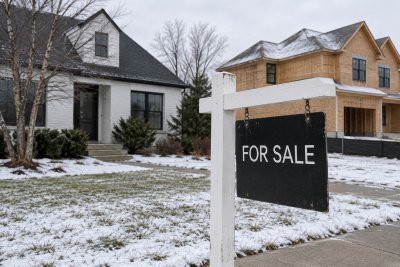
The average rate on a 30-year fixed mortgage dipped to 6.30% this week, according to Freddie Mac, down from 6.37% last week. The Mortgage Bankers Association (MBA) reported a similar decline, with its survey showing the average 30-year rate at 6.35%, compared to 6.42% the prior week. This marks a continued easing in borrowing costs as the spring homebuying season gains momentum.
Lower rates are drawing buyers back into the market. MBA data for the week ending April 17 revealed a 7.9% overall increase in mortgage applications, with purchase applications surging 10% from the previous week and standing 14% higher than the same period last year. Refinancing activity also rose 6%, up a striking 52% year-over-year.
Pending home sales, which track signed contracts not yet closed, climbed 1.5% in March, signaling strengthening demand. Lawrence Yun, chief economist at the National Association of Realtors, characterized the uptick as evidence of "pent-up housing demand" finally being released.
Mike Fratantoni, chief economist at the MBA, noted that buyers are gaining more negotiating power across many regions, thanks to a combination of falling rates and an increase in homes available for sale. Sam Khater, Freddie Mac's chief economist, described the year-over-year rate decline as a "meaningful improvement" for those shopping for a home this spring.
Daily rate trackers confirmed the downward trend, though with slight variations. Optimal Blue pegged the average 30-year fixed rate at 6.231% on Thursday, while Zillow's data showed the average 30-year refinance rate at 6.26% on Wednesday.
Despite the favorable rate environment, home prices remain elevated in certain high-cost markets. NBC Bay Area reported that median sale prices in San Francisco, San Mateo, and Santa Clara counties continue to exceed $2 million. Real estate agent Lynsie Gridley observed that even modest rate reductions "puts a little bit of ease" on monthly payments, but the price barrier persists.
The housing sector's recovery is uneven. D.R. Horton executive chairman David Auld cited "affordability constraints" and cautious buyer sentiment as ongoing drags on new home demand. PulteGroup CEO Ryan Marshall echoed those concerns, noting buyers' "concerns about affordability and the economy" after the company reported a decline in first-quarter profit and revenue.
Looking ahead, the Federal Reserve's next moves will be critical. A Reuters poll released Thursday indicates that most economists expect the Fed to hold rates steady through at least September, as energy-driven inflation remains elevated. This could limit further mortgage relief, even if weekly rates show some improvement.
Yun added that first-time buyers remain highly sensitive to rate changes and face a shortage of affordable, smaller homes. The latest data suggest buyers are returning quickly as borrowing costs dip, but in expensive regions like the Bay Area, steep prices remain the primary obstacle.