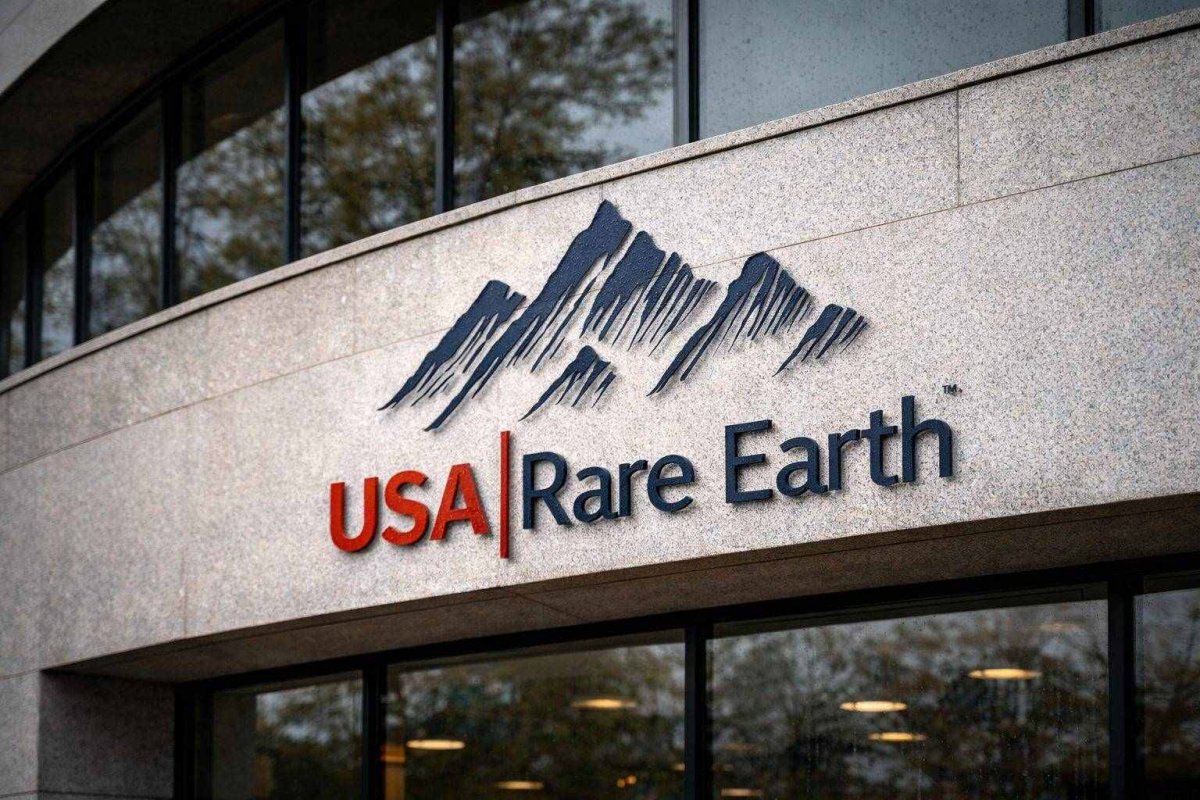
Shares of USA Rare Earth (USAR) declined 3.6% on Friday, closing at $15.42, even as the company marked a significant operational milestone. The move followed the official launch of Phase 1a at its commercial sintered neodymium-iron-boron (NdFeB) magnet production line in Stillwater, Oklahoma. This initial phase is set to begin fulfilling customer orders in the second quarter of this year.
Strategic Shift to Onshore Production
The commencement of operations at Stillwater represents a tangible step in the broader Western effort to establish independent rare-earth supply chains. These powerful permanent magnets are critical components for electric vehicles, consumer electronics, and defense systems, sectors where reliance on Chinese production has been a persistent strategic concern. CEO Barbara Humpton hailed the plant's commissioning as "a major step" for the company and the domestic supply chain.
USA Rare Earth has outlined an ambitious capacity roadmap for the facility. The company expects Phase 1a to achieve an annual production run rate of 600 metric tons by the end of 2026. Management further plans to add a second production line, which would boost Stillwater's total active capacity to 1,200 metric tons per year by the first quarter of 2027.
Market Headwinds and Sector Context
The stock's decline on Friday occurred against a backdrop of pronounced selling pressure across Wall Street. Major indices slumped, with the Nasdaq Composite falling 2.15% and the S&P 500 dropping 1.67%, as rising oil prices and escalating geopolitical tensions in the Middle East stoked inflation fears and growth concerns. "Words alone aren't cutting it right now," noted Matt Britzman, a senior equity analyst at Hargreaves Lansdown, reflecting the cautious investor sentiment.
Activity elsewhere in the rare earths sector continues to intensify. Lynas Rare Earths recently signed a preliminary agreement with LS Eco Energy to bolster supplies for U.S. magnet manufacturers. Meanwhile, MP Materials reported a return to profitability last quarter, citing improved U.S. price support and magnet sales. The competitive landscape remains challenging, with only Lynas and MP Materials currently operating at a large scale outside China, as highlighted by Arafura Rare Earths CEO Darryl Cuzzubbo.
Financing and Expansion Moves
USA Rare Earth's stock had surged 15% in January following reports that the U.S. government, under the Trump administration, planned to support the company with a $1.6 billion debt-and-equity package. The firm also secured $1.5 billion through a private investment in public equity (PIPE) transaction. Investors viewed this potential capital as crucial for advancing both the Stillwater magnet plant and the Round Top rare earths deposit project in Texas.
In a significant consolidation move, USA Rare Earth agreed on March 5 to an all-stock acquisition of the remaining stake in Texas Mineral Resources. The deal, valued at approximately $73 million, grants the company full, 100% ownership of the Round Top deposit, a key strategic asset in its integrated mine-to-magnet business model.
Uncertainties and Regulatory Scrutiny
Despite the progress, significant uncertainties cloud the horizon. The company has clarified that the substantial federal financial support remains at the letter of intent stage and is not yet finalized. The funding would be disbursed in phases, contingent upon the achievement of specific project milestones, and the final amount could be less than initially projected. The arrangement has drawn scrutiny from lawmakers, with Representative Zoe Lofgren recently calling it "highly concerning" and requesting further details on the deal.
As USA Rare Earth prepares for its first commercial deliveries from Stillwater in the coming quarter, the market's focus will remain split between its operational execution and the unresolved status of the government backing. The company's ability to navigate these dual challenges will be critical to its ambition of joining the elite group of non-Chinese rare earth producers.