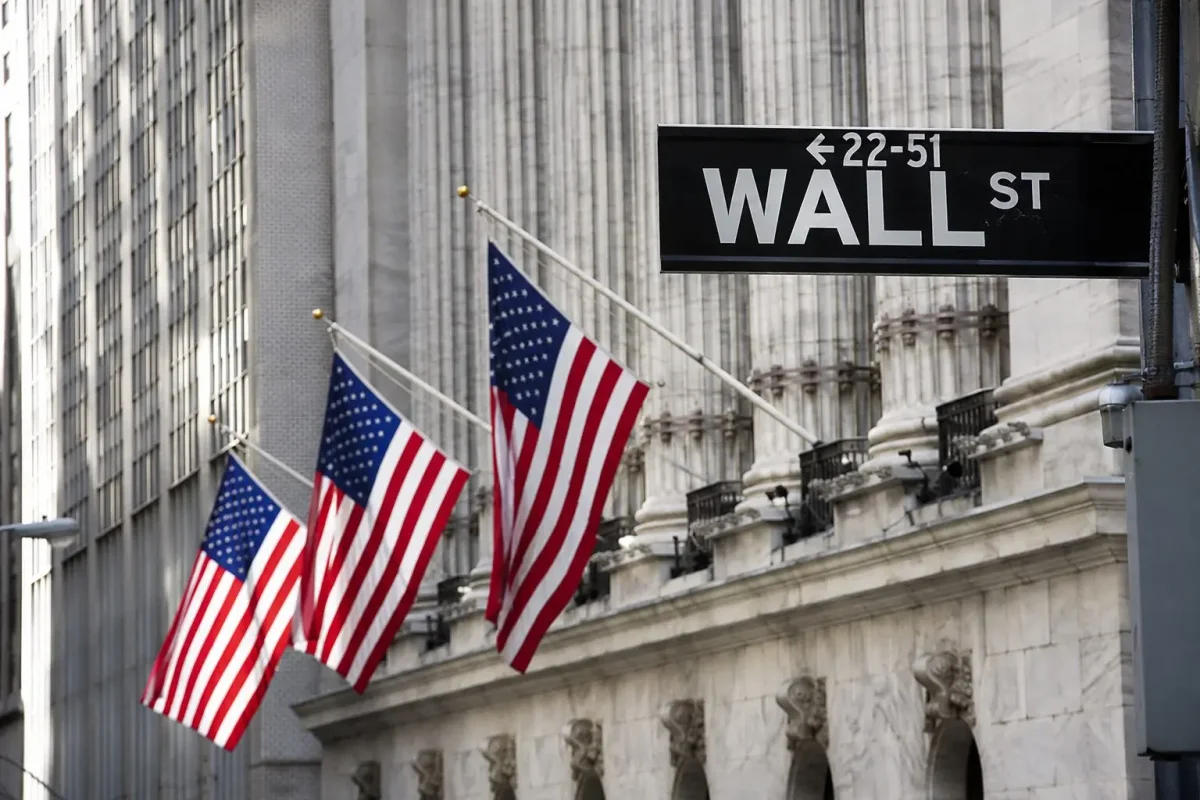
U.S. equities concluded the trading week on a positive note Friday, propelled by a decline in crude oil prices and growing optimism surrounding potential peace talks between the United States and Iran. The S&P 500 advanced 0.46% to close at 7,428.51, while the Dow Jones Industrial Average gained 0.73% to end at 51,217.63. The Nasdaq Composite added 0.29% to finish at 25,884.99, according to LSEG data cited by Reuters.
Oil prices fell sharply, with Brent crude dropping 3.37% to settle at $87.33 per barrel, and U.S. West Texas Intermediate closing at $84.88. The slide was attributed to growing market bets that a diplomatic resolution could reopen the Strait of Hormuz, easing supply concerns and reducing a key inflation driver. Tamas Varga, an analyst at PVM Oil Associates, told Reuters, “Headlines are driving the market once again as confidence grows that an eventual deal will be struck and the Strait (of Hormuz) reopens.”
SpaceX IPO Captures Market Attention
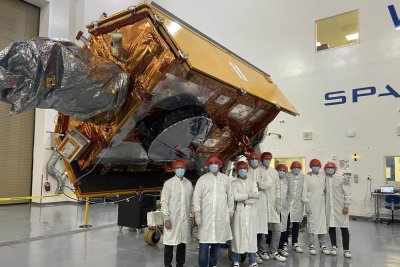
SpaceX made a spectacular debut on the Nasdaq, with shares closing at approximately $172, a 28% surge from its initial public offering price of $135. The IPO raised $75 billion, and the company’s market capitalization soared past $2.25 trillion, underscoring sustained investor appetite for high-growth themes tied to space exploration, satellite communications, and artificial intelligence.
The listing created a notable divergence within the space sector. Shares of smaller space companies such as Rocket Lab, Intuitive Machines, and Planet Labs declined as traders rotated capital into the high-profile SpaceX stock. This suggests Friday’s trading was more a liquidity event centered on the new listing rather than a broad sector rally.
Market Drivers and Risks
U.S. stocks drew support this week from falling oil prices, a modest improvement in consumer sentiment, and robust earnings expectations. The University of Michigan reported on Friday that consumer sentiment rose by about 9% as gasoline prices retreated. Meanwhile, FactSet data shows S&P 500 second-quarter earnings growth is projected at 21.9%.
However, valuation concerns and monetary policy risks remain headwinds. The S&P 500’s forward price-to-earnings ratio stands at 20.1, above both its five-year and 10-year averages, according to FactSet. The tech sector, as measured by the XLK ETF, has already entered correction territory, falling 11% from its June 2 closing high. Markets are also pricing in a greater than 50% probability of a Federal Reserve rate hike before year-end, despite expectations the central bank will hold rates steady at 3.5% to 3.75% at its June 16-17 meeting.
Looking Ahead
Investors are bracing for the Federal Reserve’s upcoming policy meeting, which will be a key catalyst for volatility. The central bank’s tone on inflation versus growth will be closely scrutinized. Additionally, options on SpaceX shares are expected to begin trading as early as Tuesday, potentially adding to short-term price swings.
At current levels, U.S. stocks appear fairly valued but not cheap, with strong earnings offset by elevated valuations and reliance on oil and Fed headlines. SpaceX, after its first-day surge, now trades at a premium that embeds high expectations, with limited free float and likely expensive options. Volatility could increase around earnings reports or index rebalancing events.