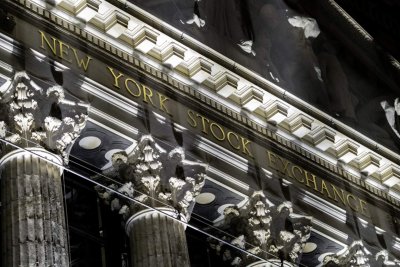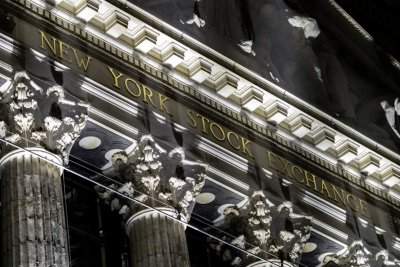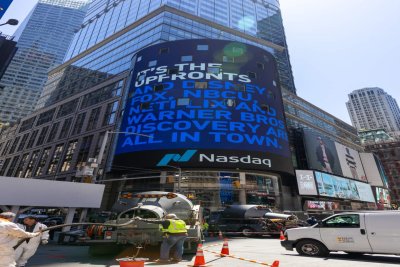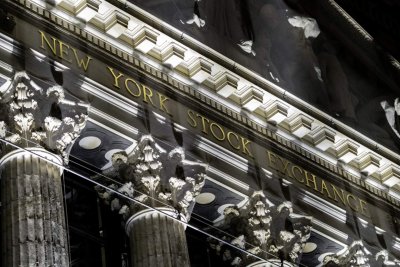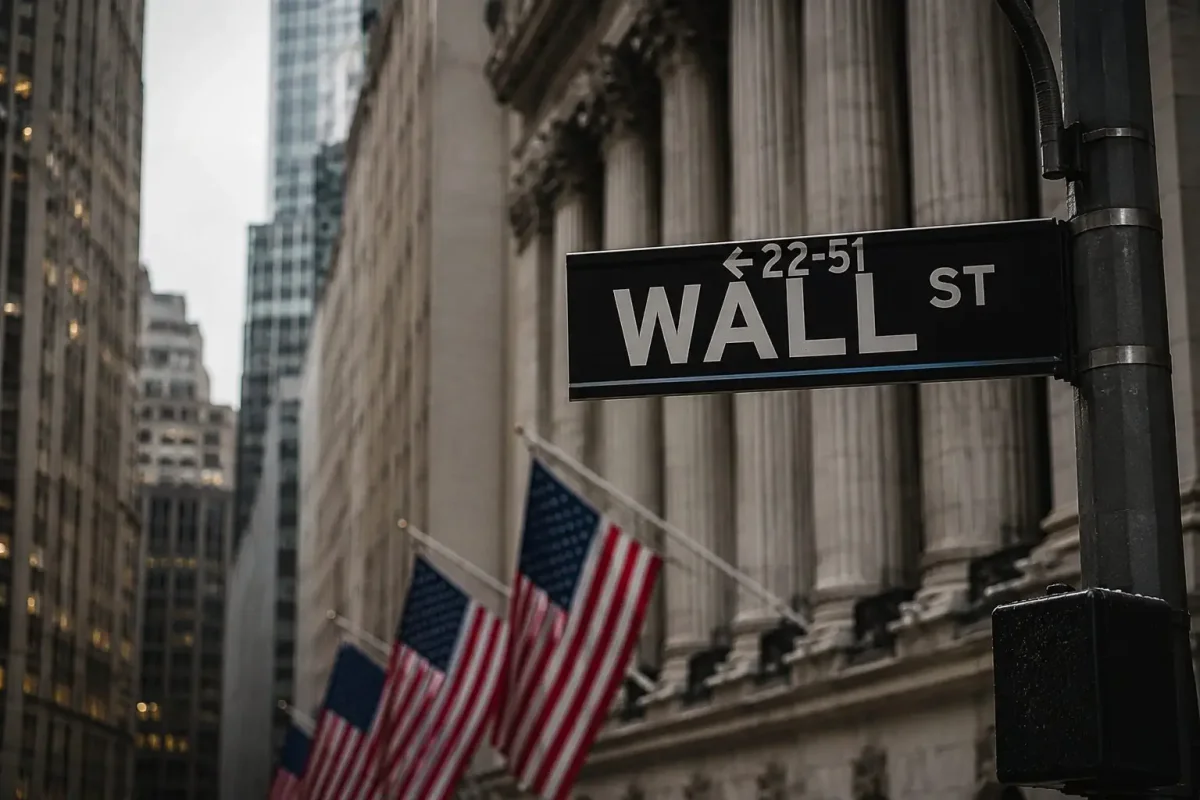
Wall Street ended mostly higher on Thursday, with the S&P 500 and Nasdaq Composite extending their record-breaking streaks, fueled by gains in technology and healthcare shares. The Dow Jones Industrial Average, however, slipped, underscoring a split in the market's rally. The positive tone was supported by reports of possible progress toward a U.S.-Iran ceasefire, which helped ease some geopolitical concerns.
The S&P 500 rose 43.45 points, or 0.58%, to close at 7,563.81, while the Nasdaq Composite climbed 241.24 points, or 0.89%, to 26,915.98. The Dow fell 38.37 points, or 0.08%, ending at 50,605.91. The mixed performance came after a volatile session that began under pressure from higher-than-expected inflation data and worries that Middle East tensions could keep energy prices elevated.
Economic Data Raises Stagflation Concerns
The Bureau of Economic Analysis reported that the Personal Consumption Expenditures (PCE) price index, the Federal Reserve's preferred inflation gauge, rose 3.8% in April compared to a year earlier, accelerating from a 3.5% increase in March. Core PCE, which excludes volatile food and energy prices, gained 3.3%. Meanwhile, the first-quarter GDP growth was revised down to a 1.6% annualized pace, below the earlier estimate of 2.0%, as inventory building slowed and consumer spending softened.
Peter Cardillo, chief market economist at Spartan Capital Securities, described the combination of slow growth and rising prices as a 'stagflation problem,' which could complicate the Fed's next policy decision. Jamie Cox, managing partner at Harris Financial Group, noted that traders remain on edge due to the back-and-forth on ceasefire news, but the bigger question is whether inflation will decline as quickly as markets anticipate.
Tech and AI Stocks Lead the Charge
Technology stocks were again at the forefront of the rally. Microsoft advanced on reports of new coding models set to be released next week. Snowflake surged after raising its annual product-revenue outlook and announcing a five-year, $6 billion artificial intelligence infrastructure deal with Amazon Web Services. The positive news from Snowflake lifted other software names, including Datadog and MongoDB, as investors interpreted the results as a sign of sustained demand for data and AI tools.
Salesforce was in focus after-hours, beating quarterly estimates but issuing second-quarter revenue guidance that fell short of expectations. CEO Marc Benioff highlighted 'Agentic AI' as the company's top growth opportunity, though shares barely moved as investors sought more concrete evidence of returns.
Healthcare and Consumer Stocks Gain
Healthcare stocks also contributed to the market's gains. Eli Lilly moved higher after CVS Health announced plans to resume coverage for Zepbound, Lilly's weight-loss drug, and to include the company's new obesity treatment, Foundayo. In the consumer sector, Dollar Tree and Best Buy both advanced following upbeat forecasts, adding an earnings-driven feel to the session beyond the mega-cap tech names.
Geopolitical Risks and Market Outlook
Despite the ceasefire optimism, risks remain. U.S. crude oil edged up 0.25% to $88.90 a barrel, while Brent crude fell 0.62% to $93.71. The 10-year Treasury yield declined to 4.455% after the weak economic data and ceasefire reports. Jitania Kandhari, deputy chief investment officer at Morgan Stanley Investment Management, noted that markets are 'shrugging off geopolitical risk,' citing a relatively resilient global economy and steady corporate earnings. She added that instability could drive increased spending on cybersecurity, defense technology, energy infrastructure, and supply-chain resilience.
Business investment showed signs of unevenness, with new orders for core capital goods—a proxy for business spending excluding defense and aircraft—falling 1.1% in April, following solid gains earlier this year. However, spending on AI-related equipment remained firm, underscoring the ongoing boom in artificial intelligence.