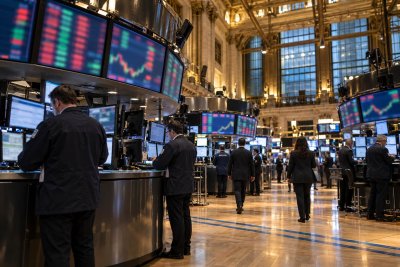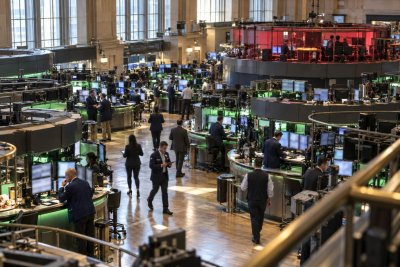
U.S. stock markets bounced back on Monday, recovering from Friday's selloff, as a strong rally in semiconductor shares propelled the Nasdaq and S&P 500 higher. The Dow Jones Industrial Average rose 244 points, or 0.48%, to 51,110.80, while the broader S&P 500 advanced 1.09% and the tech-heavy Nasdaq Composite surged 1.72%.
The rebound was led by chipmakers, with the Philadelphia Semiconductor Index jumping 4.6% on strength from Intel, Micron, and Nvidia. This resurgence came after Friday's sharp decline, triggered by a robust jobs report that reignited concerns about the Federal Reserve's interest rate trajectory.
Market Context and Key Drivers
Investors are now turning their attention to the May Consumer Price Index (CPI) data, scheduled for release on Wednesday. This inflation report is seen as a critical indicator for the Fed's next moves. Additionally, rising oil prices and Treasury yields remain significant risk factors that could influence market direction.
According to Reuters, the two-year Treasury yield, which is closely tied to Fed policy expectations, slipped to 4.145%, while the 10-year yield ticked up to 4.54%. Fed funds futures indicate a 68% probability of a rate hike by December, reflecting ongoing inflation concerns.
Analyst Perspectives
Art Hogan, chief market strategist at B Riley Wealth, commented on the recent volatility: "Sometimes these moves get too far too fast and you need a bit of a pullback." This sentiment was echoed by Carol Schleif of BMO Wealth Management, who described Friday's pullback as "a healthy reset for stocks," suggesting that the bounce-back was not a sign of deeper trouble.
Goldman Sachs has revised its rate cut forecast, now expecting the Fed to hold rates steady until 2027 and skip any cuts through 2026. The bank stated that the latest economic data "lower the bar for a rate hike" but does not anticipate one to occur. Meanwhile, Citi has taken a more bullish stance, raising its 2026 S&P 500 year-end target to 8,100 from 7,700, citing solid earnings and AI-related gains.
Outlook and Risks
While the market rallied, the move appeared shaky. Traders remain cautious, with any sign of hotter inflation or an oil price spike potentially putting rate-hike discussions back at the center of trading. Thomas Simons, chief U.S. economist at Jefferies, noted: "We do have this obvious push from energy inflation."
The Dow's more modest gain reflects its composition of traditional sectors like industrials, banks, healthcare, and consumer stocks, which are less sensitive to the tech rally that boosted the Nasdaq and S&P 500. As the market navigates these crosscurrents, the upcoming CPI data will be pivotal in shaping investor sentiment and Fed policy expectations.