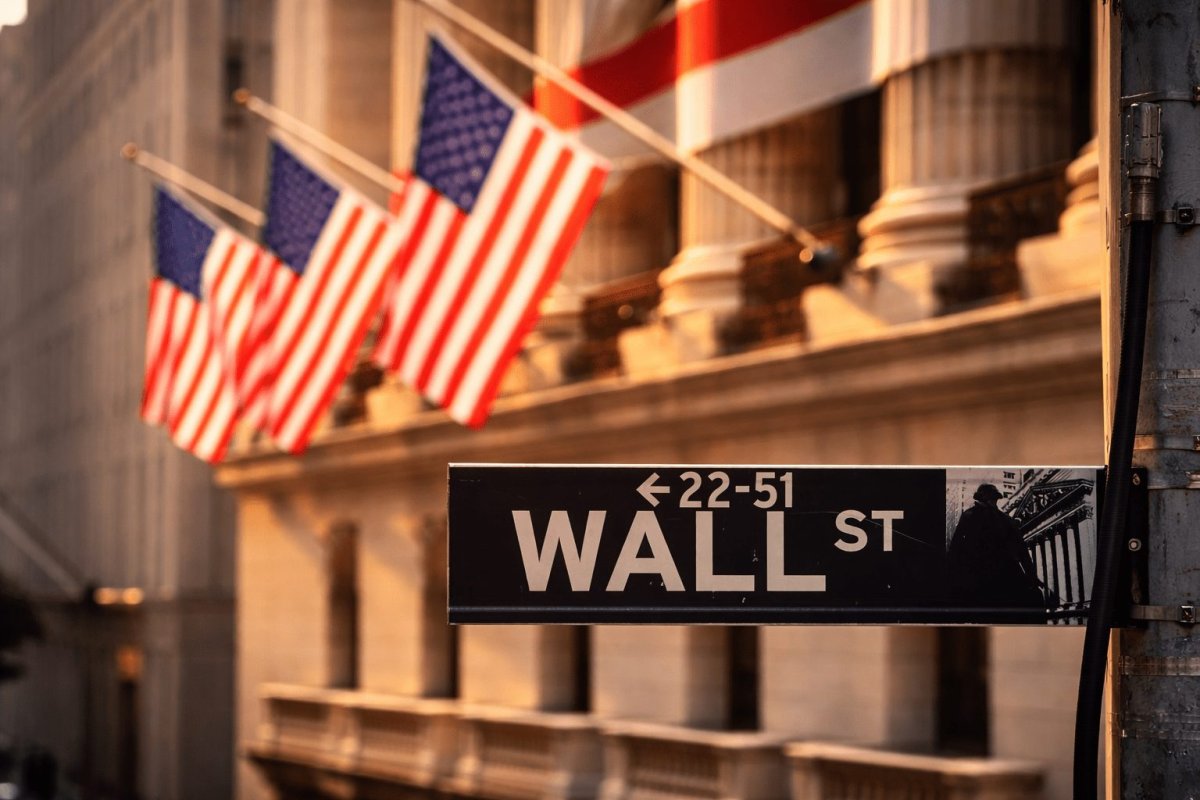
U.S. equity markets staged a partial recovery from steep early losses during Thursday's midday trading, as diplomatic developments regarding the vital Strait of Hormuz offered investors a measure of relief. The Dow Jones Industrial Average was down 0.3%, the S&P 500 index had slipped 0.18%, and the Nasdaq Composite declined 0.23% by midday Eastern Time on April 2, 2026. The rebound from session lows followed indications that international talks were making headway toward securing the key global oil transit route.
Oil Prices Spike Amid Supply Disruption Fears
The trading session unfolded against a tense geopolitical backdrop and critical timing for markets, with a Good Friday closure looming just as energy prices ripped higher and the monthly U.S. employment report approached. After a brief spike into double-digit gains, U.S. crude oil futures remained elevated by more than 9%. The international benchmark Brent crude pushed toward $109 per barrel. The surge translated directly to American consumers, with the national average for a gallon of gasoline climbing above $4, reigniting concerns about stagflation—a toxic mix of rising prices and slowing economic growth.
Volatile Sentiment Swings on Geopolitical Headlines
Market sentiment has whipsawed dramatically over consecutive sessions. Just one day prior, on Wednesday, major indices posted solid gains: the S&P 500 jumped 0.72%, the Nasdaq rallied 1.16%, and the Dow advanced 0.48%. That optimism was sparked by comments from former President Donald Trump suggesting the United States would be "out of Iran pretty quickly," fostering hopes for a rapid de-escalation. "The markets want it to be positive, they want the war to be over," noted Thomas Martin, a senior portfolio manager at Globalt Investments.
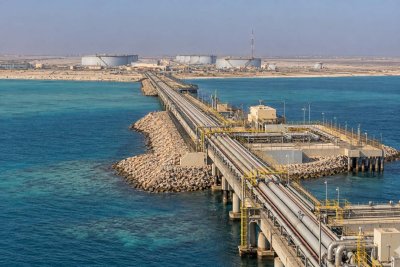
However, those hopes faded rapidly on Thursday after subsequent televised remarks from Trump signaled that military operations could persist for another two to three weeks. Some selling pressure abated later in the morning following announcements from Iran that it was collaborating with Oman on a shipping protocol, coupled with a British statement that approximately 40 nations were discussing concrete steps to reopen the Strait of Hormuz. "The prospect is softening today’s sell off," observed Kim Forrest, chief investment officer at Bokeh Capital Partners. The strait remains a crucial maritime chokepoint, facilitating roughly 20% of global seaborne oil shipments and a significant volume of liquefied natural gas.
Sector Performance Reflects Oil Price Surge
The dramatic move in oil prices created clear winners and losers across sectors. Airline stocks were hit particularly hard as jet fuel costs soared. Shares of United Airlines (UAL), Delta Air Lines (DAL), and American Airlines (AAL) slid between 2% and 4%. In contrast, the energy sector managed a modest gain, with the S&P 500 energy index edging up 0.2%. Growth-oriented stocks, however, continued to struggle under the weight of higher rate expectations and economic uncertainty.
Global Markets and Economic Data Provide Mixed Signals
The risk-off sentiment was not confined to Wall Street. Asian equity markets closed sharply lower, with Japan's Nikkei index sliding 2.4% and South Korea's Kospi tumbling 4.7%. The U.S. dollar gained ground as traders sought traditional safe-haven assets. "Trump’s speech pushes out the resolution timeframe farther," commented Mike Houlahan, a director at Electus Financial.
Fresh U.S. economic data did little to clarify the murky outlook. Weekly initial jobless claims decreased by 9,000 to 202,000, suggesting ongoing resilience in the labor market. However, a Reuters survey of economists still projects that the March payrolls report, due after the market holiday, will show an increase of just 60,000 jobs, following a loss of 92,000 positions in February. Nancy Vanden Houten, lead U.S. economist at Oxford Economics, stated she anticipates "weaker job growth and a higher unemployment rate" this year, though she cautioned that the war's full impact on hiring may take longer to materialize.
Analysts Weigh Potential Paths Forward
Market analysts outlined divergent scenarios for the days ahead. A bullish case hinges on a swift reopening of shipping lanes, leading to a rapid easing of crude prices and a snapback rally for Thursday's decliners. Nevertheless, Matt Simpson, a senior market analyst at StoneX, highlighted the risk that oil could remain elevated "indefinitely" absent a concrete and executable plan to restore transit through the Strait of Hormuz. Russel Chesler of VanEck pointed to the challenging macro backdrop, noting investors are already contending with downgraded growth forecasts and stiffening inflation expectations.
Wall Street's focus remains intensely fixed on the Middle East. Despite Wednesday's rally, data from LSEG shows the S&P 500 closed the first quarter of 2026 with a 4% decline. Nonetheless, with Thursday's partial recovery, major indexes remained on track to post their strongest weekly advance in four months, underscoring the extreme volatility and headline-driven nature of current trading.