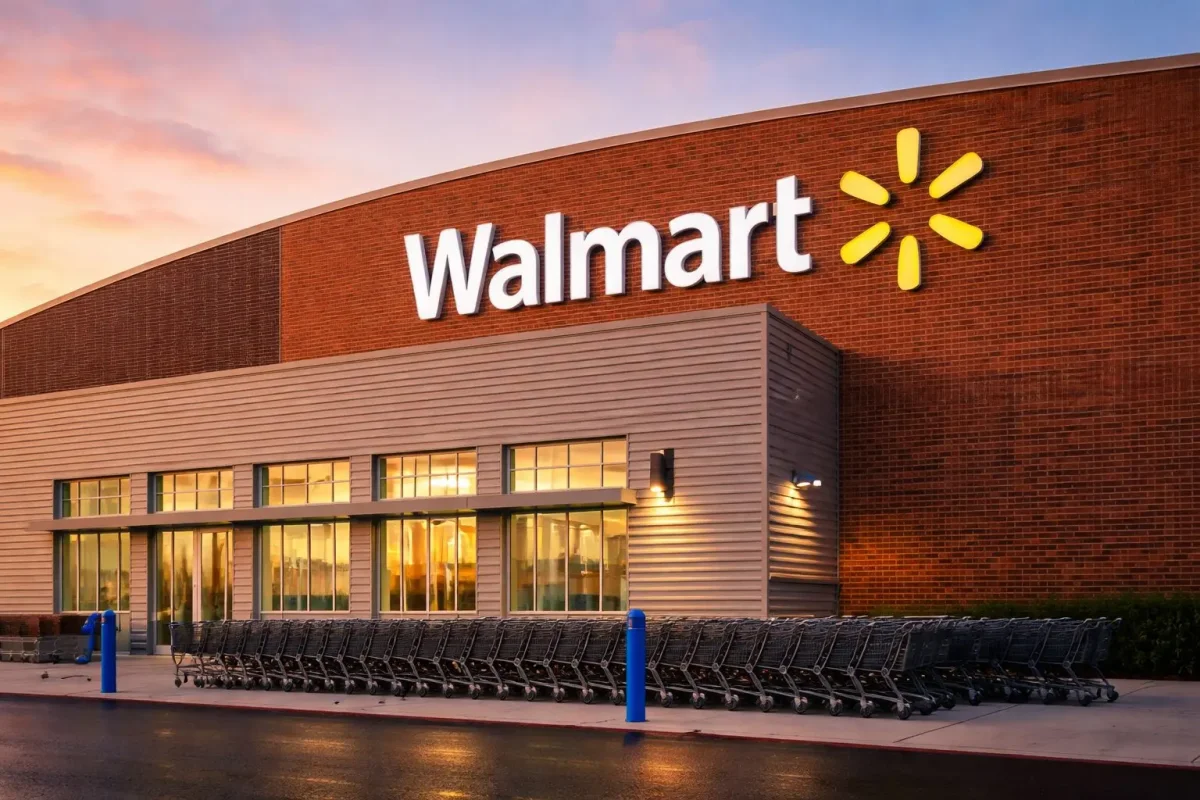
Walmart Inc. shares demonstrated resilience in Friday's trading session, closing notably higher even as the broader U.S. equity market retreated. The retail giant's stock advanced 2.84% to finish at $127.95, with trading volume reaching approximately 29 million shares, aligning with its recent average. This positive performance occurred against a backdrop of sector rotation, where capital has been flowing toward defensive consumer staples names known for stable cash flows, a category that includes large retailers like Walmart.
Regulatory Settlement Reached
The market activity followed a significant regulatory announcement from the Federal Trade Commission. On Thursday, the FTC unveiled a $100 million settlement with Walmart concerning the company's Spark Driver delivery program. The agreement, which also involves eleven states, resolves allegations that the retailer misrepresented potential earnings to its gig-economy delivery drivers. Regulators stated that Walmart provided misleading information not only about base pay but also regarding customer tips and various incentive programs.
According to the FTC's proposed order, Walmart is now required to establish a comprehensive earnings verification system for drivers. Furthermore, the company is prohibited from altering the terms of a delivery offer after a driver has accepted it. A Walmart spokesperson indicated that the company has already begun compensating affected drivers and intends to continue making payments as deemed appropriate.
Investor Focus on Operational and Legal Implications
For investors, a key consideration is whether this settlement represents a one-time legal expense or the beginning of an ongoing compliance burden. The Spark Driver program is integral to Walmart's strategy for accelerating store-based fulfillment, relying on independent contractors who accept delivery "offers" through a mobile application. The regulatory scrutiny highlights the operational risks associated with the gig-worker model.
The potential for broader implications exists. Should regulators in other jurisdictions pursue similar actions, or if Walmart is compelled to adjust its driver compensation algorithms to mitigate risk, the company could face elevated operational costs. In the intensely competitive retail and delivery landscape, even minor operational adjustments can quickly influence customer visit frequency and average basket size.
Macroeconomic Headwinds Loom
Beyond company-specific news, a cloud of macroeconomic uncertainty hangs over the market. Investors are keenly awaiting the U.S. Labor Department's February employment report, scheduled for release on March 6 at 8:30 a.m. ET. This data is a critical barometer for the Federal Reserve's interest rate policy and, by extension, for market sentiment.
"The concern is that January's strong jobs data was a one-off," remarked Paul Nolte, senior wealth adviser and market strategist at Murphy & Sylvest Wealth Management. A softening in job and wage growth could undermine confidence in consumer spending power, a vital driver for the retail sector. Even retailers like Walmart, which typically benefit when consumers trade down to more affordable options, are not immune to a broader pullback in expenditure.
Next week will also bring earnings reports from other major retailers, including Target and Best Buy, offering further signals on the health of consumer demand. The interplay between these corporate results and the macroeconomic data will likely dictate near-term positioning in defensive stocks, including Walmart.
U.S. markets are closed for the weekend, but the settlement news and its implications for Walmart's cost structure and competitive positioning will remain in focus as investors assess the balance between regulatory headwinds and the company's defensive investment characteristics in a volatile market environment.